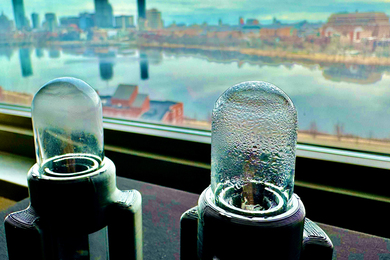
Ultrasonic device dramatically speeds harvesting of water from the air
The system can be paired with any atmospheric water harvesting material to shake out drinking water in minutes instead of hours.
The system can be paired with any atmospheric water harvesting material to shake out drinking water in minutes instead of hours.

MIT researchers developed a way to identify the smallest dataset that guarantees optimal solutions to complex problems.

Five volunteers received 40Hz stimulation for around two years after an early-stage clinical study. Those with late-onset Alzheimer’s performed better on assessments than Alzheimer’s patients outside the trial.

Solar maximum occurred within the past year — good news for aurora watchers, as the most active period for displays at New England latitudes occurs in the three years following solar maximum.
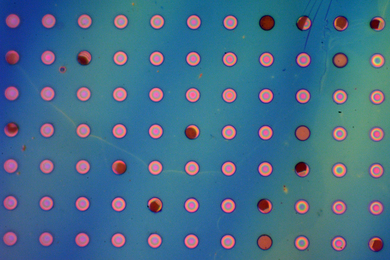
Because it’s nearly impermeable to gases, the polymer coating developed by MIT engineers could be used to protect solar panels, machinery, infrastructure, and more.

The MIT Quantum Initiative is taking shape, leveraging quantum breakthroughs to drive the future of scientific and technological progress.

MIT faculty and MITEI member company experts address power demand from data centers.
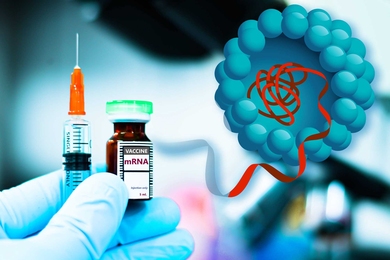
Using these nanoparticles to deliver a flu vaccine, researchers observed an effective immune response at a much lower dose.

MIT PhD students who interned with the MIT-IBM Watson AI Lab Summer Program are pushing AI tools to be more flexible, efficient, and grounded in truth.
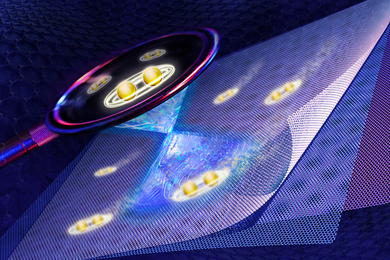
The findings could open a route to new forms of higher-temperature superconductors.

The coding framework uses modular concepts and simple synchronization rules to make software clearer, safer, and easier for LLMs to generate.

Ruth Perry’s new book profiles Anna Gordon, a Scotswoman who preserved and transmitted precious popular ballads, and with them national traditions.
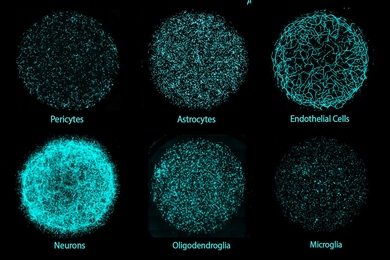
Cultured from induced pluripotent stem cells, “miBrains” integrate all major brain cell types and model brain structures, cellular interactions, activity, and pathological features.
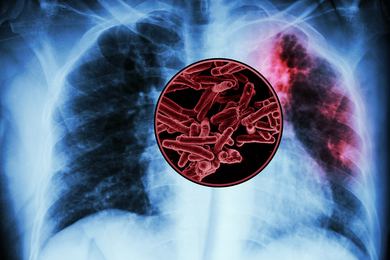
Using these antigens, researchers plan to develop vaccine candidates that they hope would stimulate a strong immune response against the world’s deadliest pathogen.
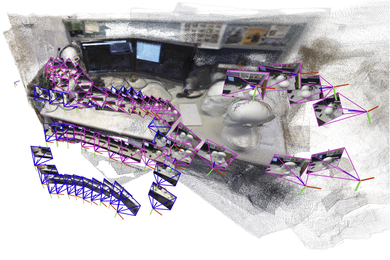
A new approach developed at MIT could help a search-and-rescue robot navigate an unpredictable environment by rapidly generating an accurate map of its surroundings.