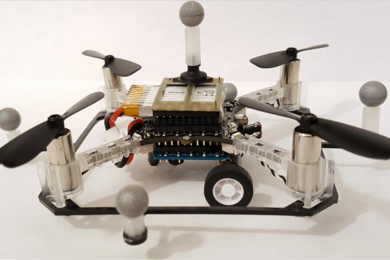
Drones that drive
CSAIL team’s system of quadcopters that fly and drive suggest another approach to developing flying cars.
CSAIL team’s system of quadcopters that fly and drive suggest another approach to developing flying cars.

In marine bacteria, evolution of new specialized molecules follows a previously unknown path.
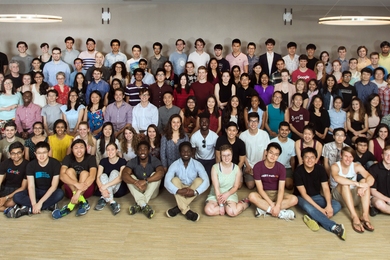
SuperUROP gives undergraduates the chance to immerse themselves in a year-long research project with supportive mentors to guide the way.
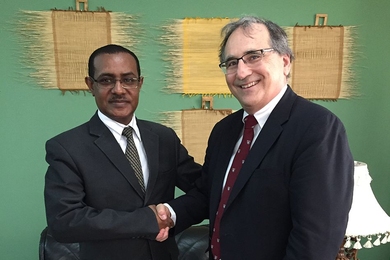
Kenneth Strzepek applies models to help decision makers advance food security and sustainable development in a climate-compromised continent.
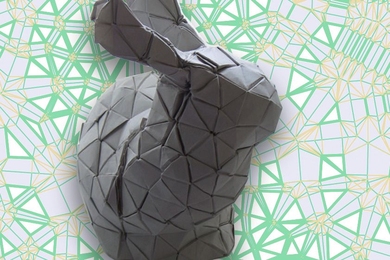
New algorithm generates practical paper-folding patterns to produce any 3-D structure.

Texting-based surveys capture purchasing and behavior data from people living in remote areas.
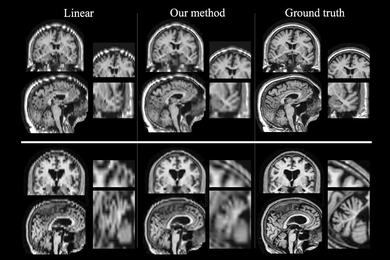
Boosting quality of patient MRIs could enable large-scale studies of stroke outcome.
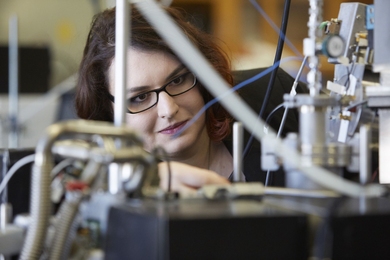
A technique developed in the Cziczo Lab may be the most accurate way of identifying biological aerosols from mineral dust in the atmosphere and analyzing their contribution to cloud formation and climate change.
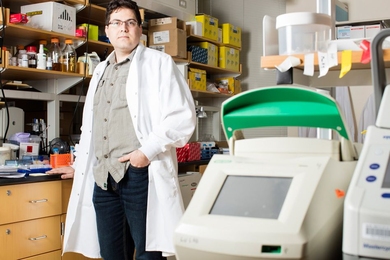
PhD student Fahim Farzadfard engineers cells to record “memories” of past events.
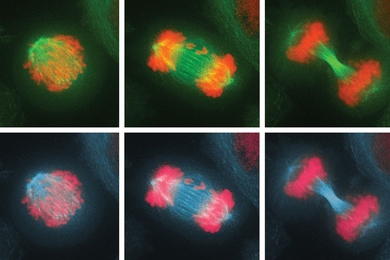
Biologists discover the immune system can eliminate cells with too many or too few chromosomes.

New laser technique identifies the makeup of space debris, from painted shards to Teflon.
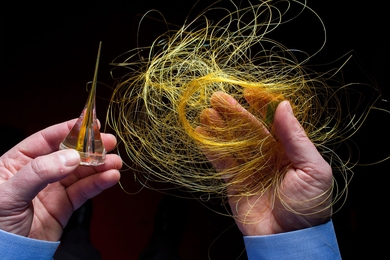
New AFFOA facility represents a significant MIT investment in advanced manufacturing innovation.
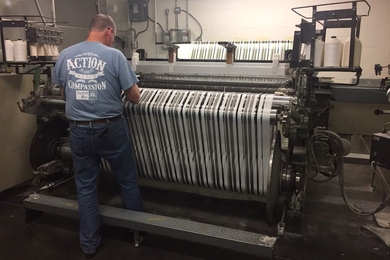
New center for development of high-tech fibers and fabrics opens headquarters, unveils two products ready for commercialization.
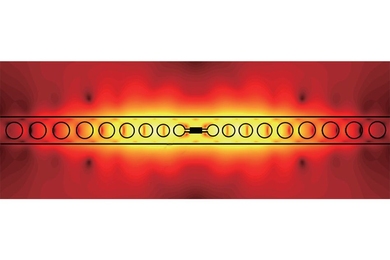
Prototype device enables photon-photon interactions at room temperature.

Technique that reduces video files to one-tenth their initial size enables speedy analysis of laparoscopic procedures.