
Using Wall Street secrets to reduce the cost of cloud infrastructure
“Risk-aware” traffic engineering could help service providers such as Microsoft, Amazon, and Google better utilize network infrastructure.
“Risk-aware” traffic engineering could help service providers such as Microsoft, Amazon, and Google better utilize network infrastructure.

Tracy Slatyer hunts through astrophysical data for clues to the invisible universe.

MIT research finds health savings from cleaner air exceed policy costs.
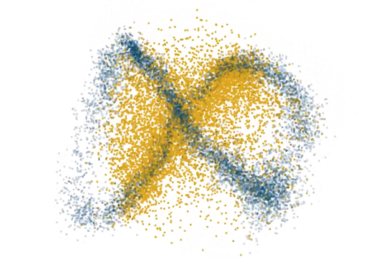
A powerful method has allowed McGovern researchers to discover how the brain represents the complex world in simple shapes.

Novel class of “ionic liquids” may store more energy than conventional electrolytes — with less risk of catching fire.
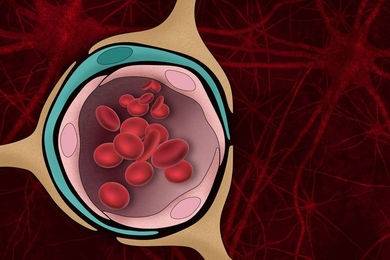
Study finds that Alzheimer’s damage allows toxins to enter the brain, further harming neurons.
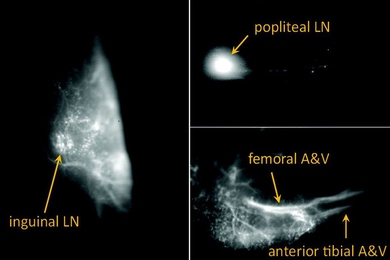
Shining light through household bleach creates fluorescent quantum defects in carbon nanotubes for quantum computing and biomedical imaging.
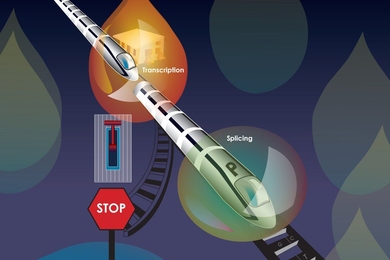
Whitehead Institute scientists find chemical modification contributes to trafficking between non-membrane-bound compartments that control gene expression.
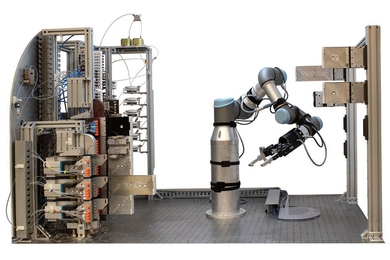
New system could free bench chemists from time-consuming tasks, may help inspire new molecules.
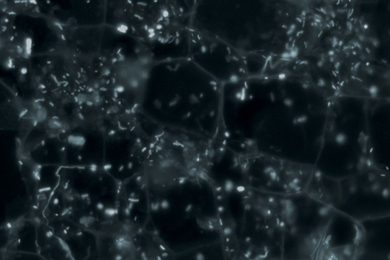
New method identifies ecologically and medically relevant bacteria groups.

Along the genome, proteins form liquid-like droplets that appear to boost the expression of particular genes.
Report catalogs, analyzes available open-source publishing software; warns open publishing must grapple with siloed development and community-owned ecosystems.


In “semiautonomous” cars, older drivers may need more time to take the wheel when responding to the unexpected.

Lab-scale experiment could help scientists understand interstellar and galactic-scale smashups.