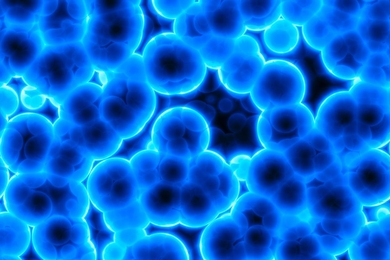
Microbial cooperation at the micron scale impacts biodegradation
MIT researchers demonstrate how often-ignored microbial interactions have a significant impact on the biodegradation of complex materials.
MIT researchers demonstrate how often-ignored microbial interactions have a significant impact on the biodegradation of complex materials.
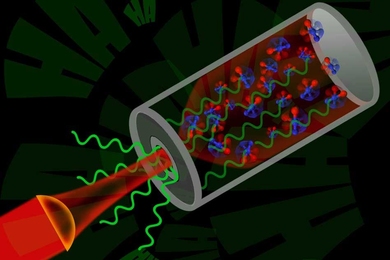
Device may enable “T-ray vision” and better wireless communication.
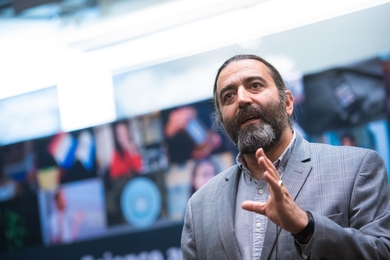
Assistant professor of nuclear science and engineering Areg Danagoulian probes deep inside cargo containers and ballistic warheads to ferret out fissile materials.
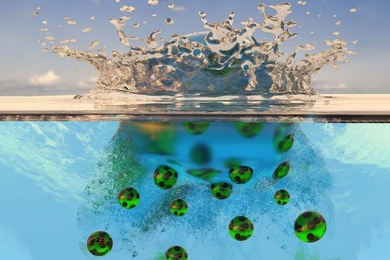
New strategy for encapsulating nutrients makes it easier to fortify foods with iron and vitamin A.
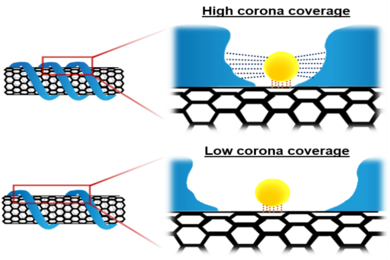
New method overcomes limitations of existing chemical procedures and may accelerate nanoengineering of materials.

Techniques for observing concrete as it sets could facilitate the development of new cements.

Physics experiment with ultrafast laser pulses produces a previously unseen phase of matter.

Political science doctoral student Clara Vandeweerdt studies how identity shapes beliefs on complex political topics such as climate change.
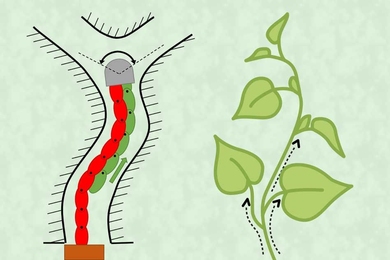
Its extendable appendage can meander through tight spaces and then lift heavy loads.

MIT researchers identify pyrimidine biosynthesis as a target for the treatment of small cell lung cancer.
Finding could help overturn the prevailing notion that men and women experience angina differently.

Recommendations could help companies deliver more useful disclosures to investors on risks they face due to climate change.
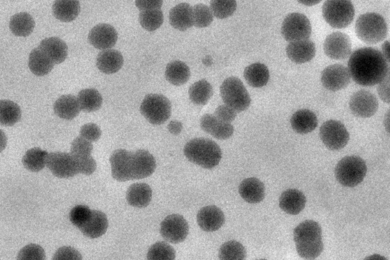
Coating particles with “right-handed” molecules could help them penetrate cancer cells more easily.

Extremely large electric fields can prevent umbrella-shaped ammonia molecules from inverting.
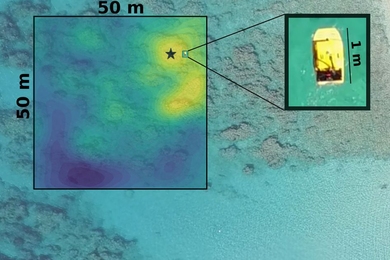
Robotic boats could more rapidly locate the most valuable sampling spots in uncharted waters.