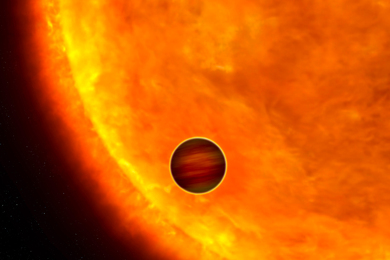
One year on this giant, blistering hot planet is just 16 hours long
A newly discovered “ultrahot Jupiter” has the shortest orbit of any known gas giant.
A newly discovered “ultrahot Jupiter” has the shortest orbit of any known gas giant.

A new survey underscores how material needs lead to movement within the Americas — at a high cost to those trying to relocate.

The findings could inform the design of new materials such as iridescent windows or waterproof textiles.

A new study finds curious properties of tiny crystals hold clues to earthquake formation.
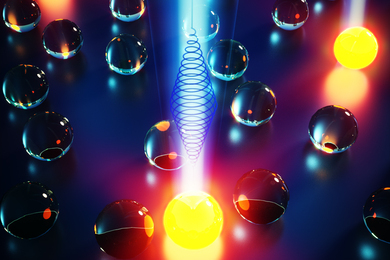
New approach solves a persistent problem of intermittency that has hindered use of the tiny light emitters for biological imaging or quantum photonics.
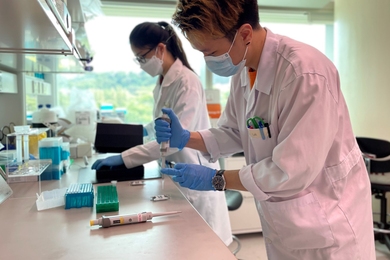
Paper-based blood test developed by SMART researchers can rapidly determine the presence of SARS-CoV-2 neutralizing antibodies.
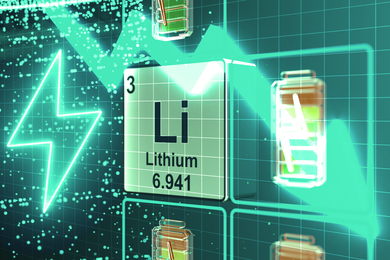
A new study finds that investments in R&D on materials and chemistry were key, while economies of scale contributed somewhat less.

Senior Desmond Edwards has an insatiable curiosity about how the human body works — and how diseases stop it from working.
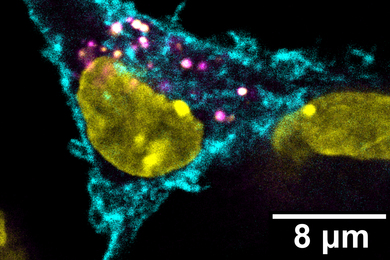
MIT biologists show that helper immune cells disguised as cancer cells can help rejuvenate T cells that attack tumors.

A new study confirms that as atoms are chilled and squeezed to extremes, their ability to scatter light is suppressed.

PhD student's research centers on ethics, including bioethics, and the philosophy of action.
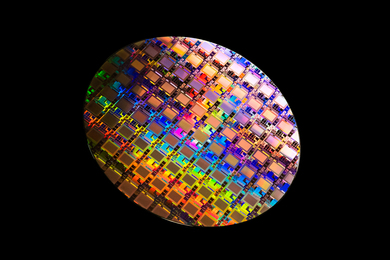
A life-detecting radar, a microscale motor, and a quantum network architecture are among this year's most innovative new technologies.

New work on linear-probing hash tables from MIT CSAIL could lead to more efficient data storage and retrieval in computers.

Researchers analyze and compare pre- and post-pandemic data for introductory biology MOOC 7.00x.

In spreading politics, videos may not be much more persuasive than their text-based counterparts.