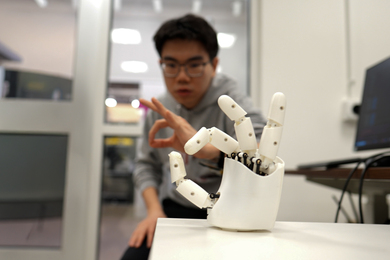
Wristband enables wearers to control a robotic hand with their own movements
By moving their hands and fingers, users can direct a robot to play piano or shoot a basketball, or they can manipulate objects in a virtual environment.
By moving their hands and fingers, users can direct a robot to play piano or shoot a basketball, or they can manipulate objects in a virtual environment.
An MIT-led team is designing artificial intelligence systems for medical diagnosis that are more collaborative and forthcoming about uncertainty.
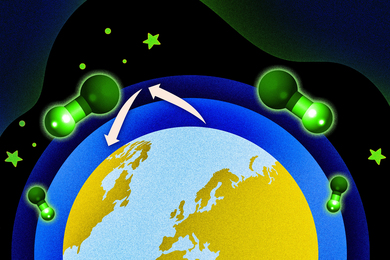
A new model shows how levels of the “atmosphere’s detergent” may rise and fall in response to climate change.

Observations suggest a major melting event at the Ross Ice Shelf was connected to atmospheric turbulence.
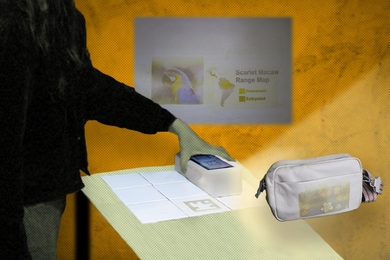
The portable “ChromoLCD” device combines LCD and LED lighting to customize high-quality designs onto things like shirts and whiteboards.
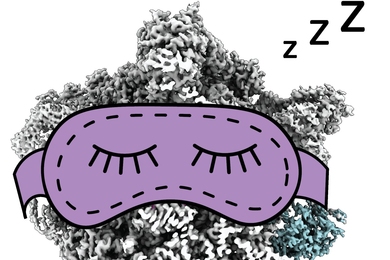
The method allows researchers to observe biomolecular complexes in a quick, accurate, and budget-friendly way, providing new insights into bacterial protein synthesis.
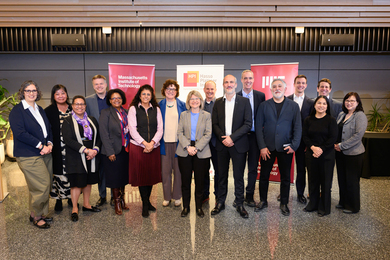
Jointly led by the MIT Morningside Academy for Design, MIT Schwarzman College of Computing, and the Hasso Plattner Institute in Potsdam, the hub will foster a dynamic community where computing, creativity, and human-centered innovation meet.
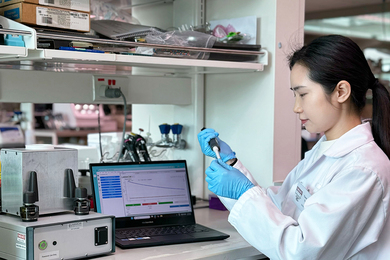
SMART breakthrough offers a promising pathway toward improved manufacturing of high‑quality cells for regenerative therapies to treat joint diseases.
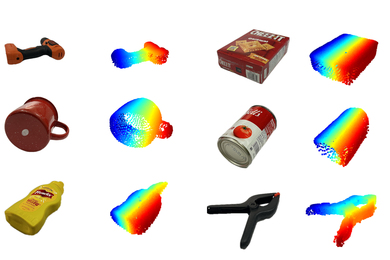
With this new technique, a robot could more accurately detect hidden objects or understand an indoor scene using reflected Wi-Fi signals.
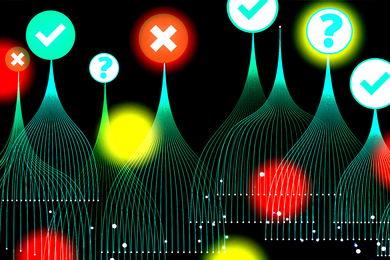
This new metric for measuring uncertainty could flag hallucinations and help users know whether to trust an AI model.
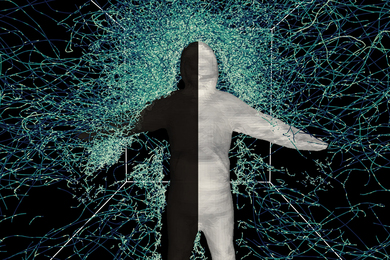
Their flight patterns change in response to different sensory cues, a new study finds. The work could lead to more effective traps and mosquito control strategies.
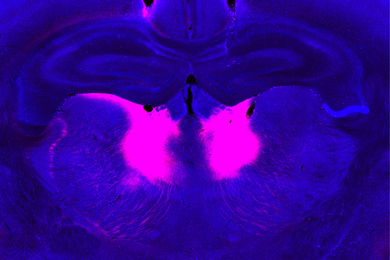
Impairments of this circuit may help to explain why some people with schizophrenia lose touch with reality.
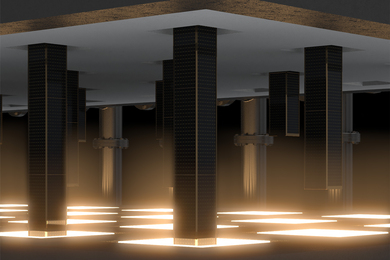
Fourth Power, founded by Professor Asegun Henry, is developing thermal batteries for efficiently storing excess electricity from utility grids and power producers.

Academia-industry relationship is an early-stage accelerator, supporting professional progress and research.
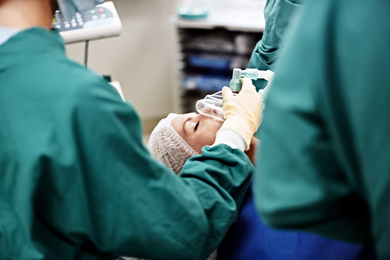
Discovering this common mechanism could lead to a universal anesthesia-delivery system to monitor patients more effectively.