
Researchers develop new materials for energy and sensing
MIT and Northwestern researchers create hybrid perovskite materials that could help improve the quality of solar cells and light sources.
MIT and Northwestern researchers create hybrid perovskite materials that could help improve the quality of solar cells and light sources.
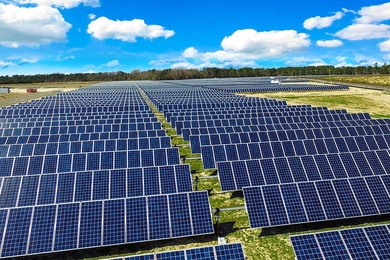
Over a seven-year period, decline in PV costs outpaced decline in value; by 2017, market, health, and climate benefits outweighed the cost of PV systems.
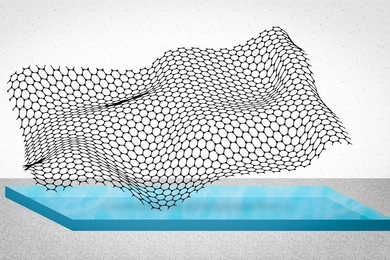
New roll-to-roll production method could enable lightweight, flexible solar devices and a new generation of display screens.

Modeling study shows battery reuse systems could be profitable for both electric vehicle companies and grid-scale solar operations.
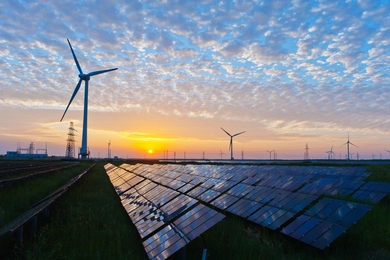
MIT’s vice president for research identifies three areas that show particular promise for climate action.
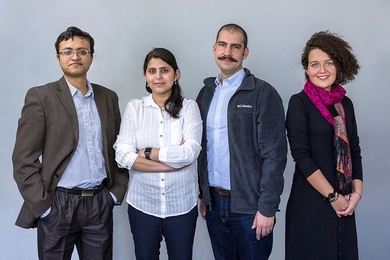
Meet the team of postdocs developing the MIT Energy Initiative's energy life-cycle assessment tool.
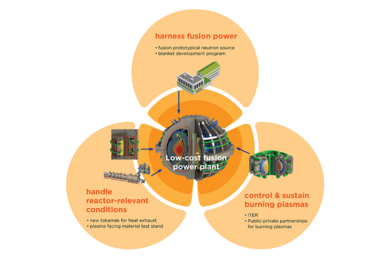
Fusion energy community makes unified statement on priorities in report for Department of Energy Policy Advisory Group.

Speakers at MIT climate symposium outline the steps needed to achieve global carbon neutrality by midcentury.
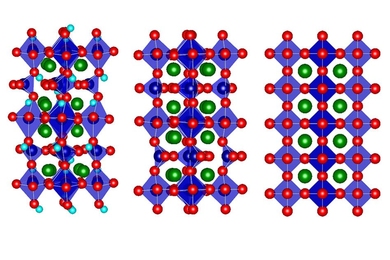
Most materials have a fixed ability to conduct heat, but applying voltage to this thin film changes its thermal properties drastically.
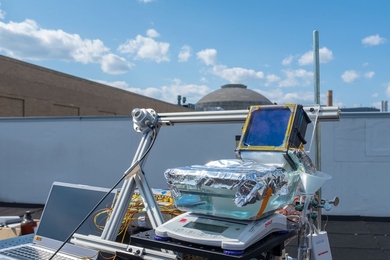
System achieves new level of efficiency in harnessing sunlight to make fresh potable water from seawater.
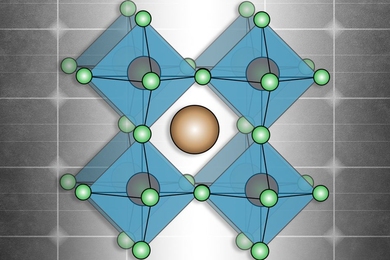
Starting with higher-value niche markets and then expanding could help perovskite-based solar panels become competitive with silicon.
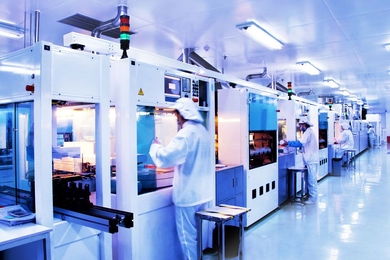
Solar panel costs have dropped lately, but slimming down silicon wafers could lead to even lower costs and faster industry expansion.

Workshop highlights how MIT research can guide adaptation at local, regional, and national scales.
MIT researchers review renewable energy and carbon pricing policies as states consider repealing or relaxing renewable portfolio standards.
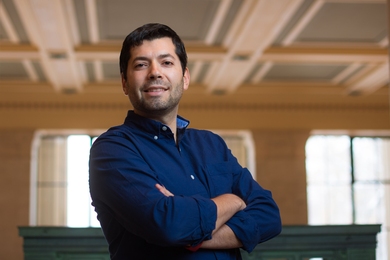
Wielding complex algorithms, nuclear science and engineering doctoral candidate Nestor Sepulveda spins out scenarios for combating climate change.