
Following the questions where they lead
Assistant Professor Bailey Flanigan has arrived at complex computational methods for helping democracy thrive.
Assistant Professor Bailey Flanigan has arrived at complex computational methods for helping democracy thrive.
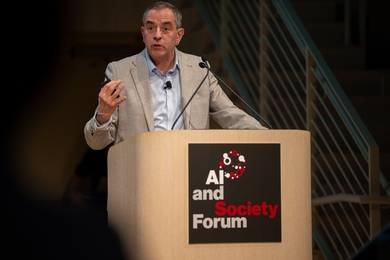
During the AI and Society Forum, leading MIT researchers examined critical questions about AI’s influence on employment and democracy.
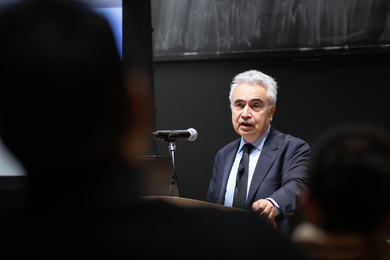
Expect energy disruptions and economic damage, especially in developing countries, and prepare to build a more resilient, sustainable energy system, says International Energy Agency executive director.

MIT senior Olivia Honeycutt investigates how the ways we communicate can shape our views of the world.
Global Change Outlook report for 2025 shows how accelerated action can reduce climate risks and improve sustainability outcomes, while highlighting potential geopolitical hurdles.
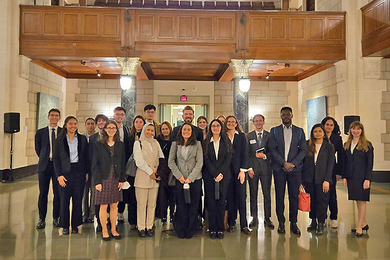
Students and postdocs traveled to Washington to learn about federal science and technology policymaking.
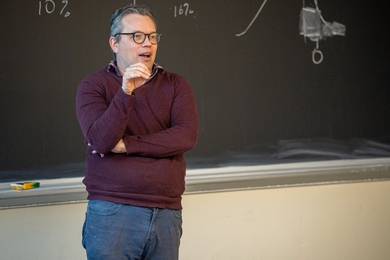
In MIT's course 17.831 (Data and Politics), students are introduced to the power of analysis, visualization, and research-supported insight into political outcomes.
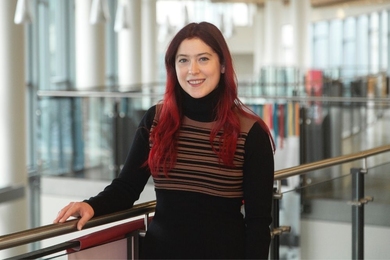
PhD candidate Suzanne Freeman reveals how intelligence agencies shape foreign policy in authoritarian states.
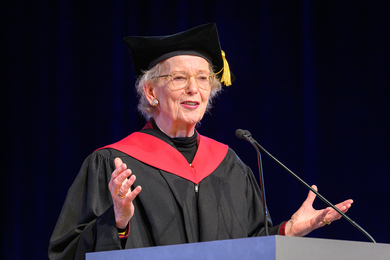
The former president of Ireland provides wit and wisdom to the graduating Class of 2025 and guests.

MIT political science professor among cohort of fellows who will focus on building a body of research on political polarization.

At the 2025 MIT Energy Conference, energy leaders from around the world discussed how to make green technologies competitive with fossil fuels.

MIT undergraduates broaden their perspectives and prospects through political science.

Philosopher Kevin Dorst’s work examines how we apply rational thought to everyday life.

Political scientist Ariel White studies people on the margins of U.S. politics to see if they might participate more fully in our system of government.
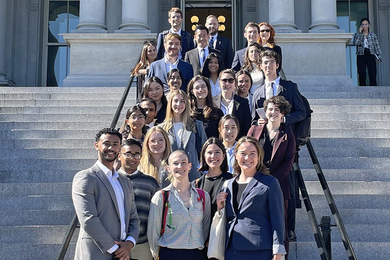
MIT students traveled to Washington to speak to representatives from federal executive agencies.