A “golden era” to study the brain
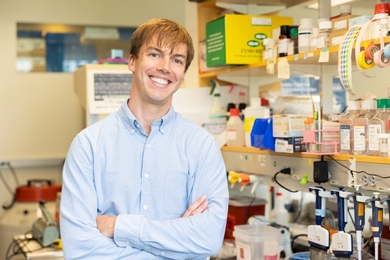
“We can’t think of the brain only as neurons,” says PhD student Mitch Murdock, who explores the cellular basis of Alzheimer’s disease.
“We can’t think of the brain only as neurons,” says PhD student Mitch Murdock, who explores the cellular basis of Alzheimer’s disease.
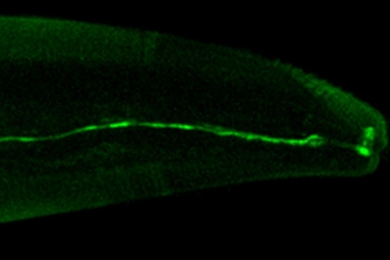
A simple animal model shows how stimuli and states such as smells, stressors, and satiety converge in an olfactory neuron to guide food-seeking behavior.

When holding information in mind, neural activity is more focused when and where there are bursts of gamma frequency rhythms.
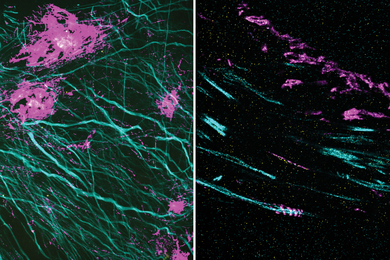
Separating densely packed molecules before imaging allows them to become visible for the first time.
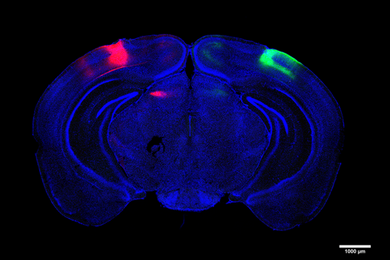
Research reveals cells that span brain hemispheres to coordinate activity in visual processing centers, shows Alzheimer’s degrades their structure and function.
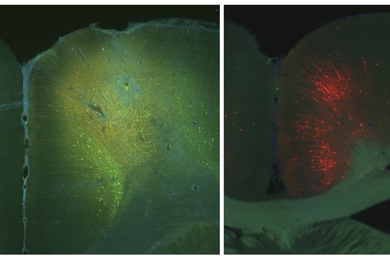
By tracking feedback during tasks, the anterior cingulate cortex notices when a new step has become necessary and signals the motor cortex to adjust.
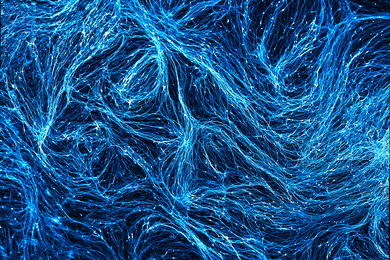
A breakdown of lipid metabolism in these brain cells promotes inflammation and interferes with neuron activity, a new study finds.
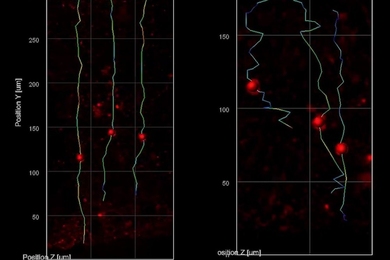
Using organoids to model early development, researchers used an emerging microscopy technology to see that new neurons struggled to reach their developmental destination.

To ensure a quick halt, brain circuit architecture avoids a slow process of integration in favor of quicker differentiation, study finds.
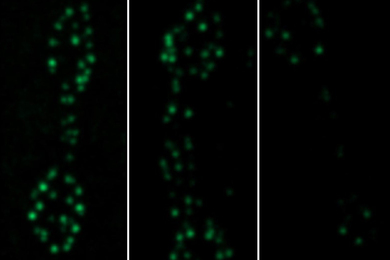
Nerve cells regulate and routinely refresh the collection of calcium channels that enable them to send messages across circuit connections.
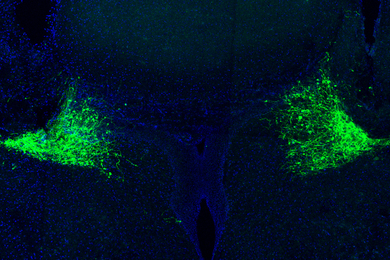
Unexpected outcomes trigger release of noradrenaline, which helps the brain focus its attention and learn from the event.
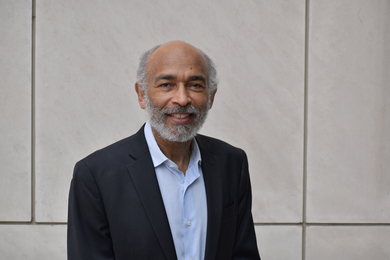
Brown and three other scientists recognized for advancing statistical, theoretical analyses of neuroscience data.
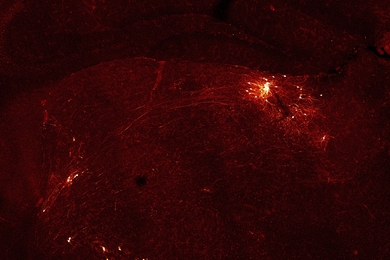
With a comprehensive map of the wiring, researchers can now discern what information flows into the circuit to enable a key brain function.
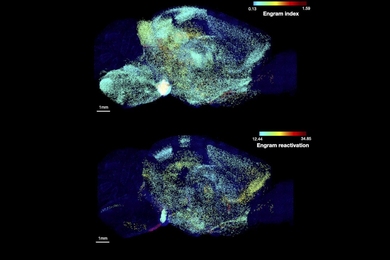
Innovative brain-wide mapping study shows that an “engram,” the ensemble of neurons encoding a memory, is widely distributed and includes regions not previously realized.
Competitive seed grants launch yearlong investigations of novel hypotheses about potential causes, biomarkers, treatments of Alzheimer’s and ALS.