The bouncing gas
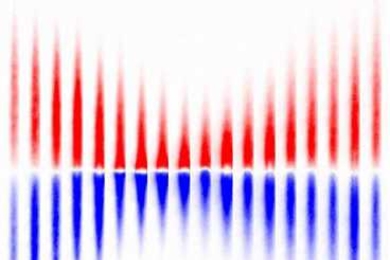
Clouds of gases that bounce off each other could help physicists model the behavior of high-temperature superconductors and other unusual materials.
Clouds of gases that bounce off each other could help physicists model the behavior of high-temperature superconductors and other unusual materials.
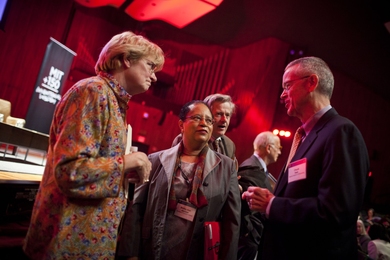
Symposium highlights the work and accomplishments of women at MIT and beyond.
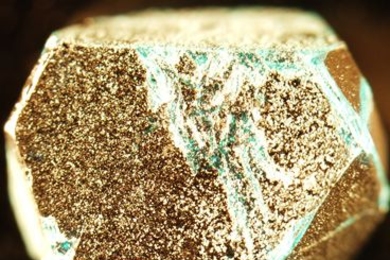
Scientists produce a crystal that could help unlock the mystery of high-temperature superconductors.

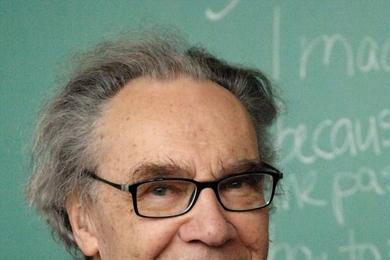
Recognized with other leaders of the global OpenCourseWare movement.
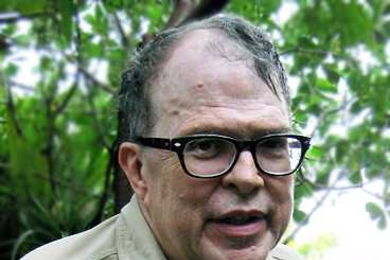
Led team that discovered the rings of Uranus in 1977.

MIT senior co-founded company focused on creating stretchable, bendable electronics and solar panels.
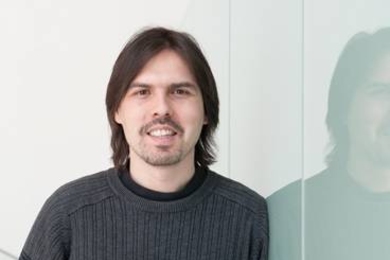
One of the Media Lab’s newest faculty members is adapting the mathematical tools of statistical physics to study development economics.
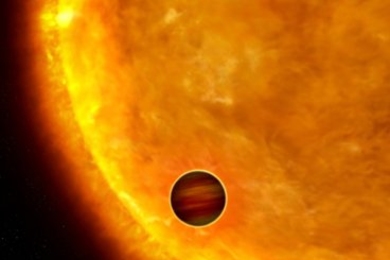
How astronomers learn whether a planet is habitable by observing slight changes in light emanating from its parent star.
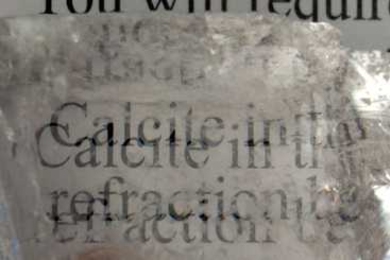
A new approach to invisibility cloaking gets much closer to the science-fiction version, using simple and inexpensive materials.
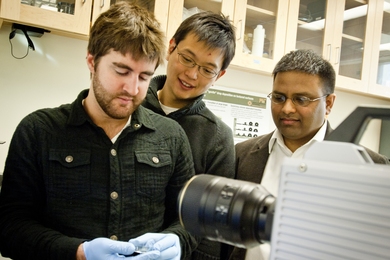
MIT research uncovers new process relating to the way drops of water spread after striking a surface.
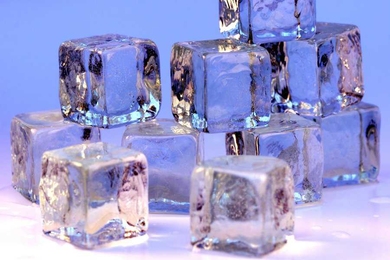
Researchers identify a fundamental property of how water and other liquids move at different temperatures.
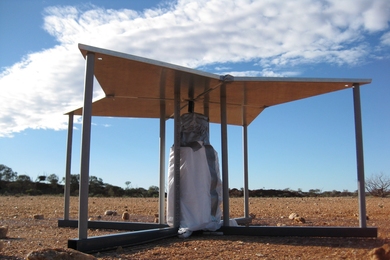
Astronomers probe ancient radio waves for clues about the universe’s first light.