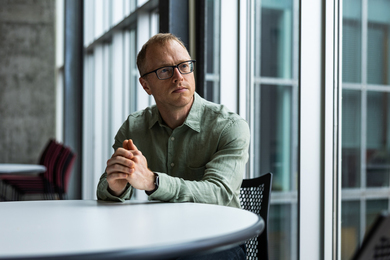
Using reason, again and again
Philosopher Brian Hedden studies decision-making over time — and recently chose to return to alma mater MIT, where he is now connecting ethics and computing.
Philosopher Brian Hedden studies decision-making over time — and recently chose to return to alma mater MIT, where he is now connecting ethics and computing.
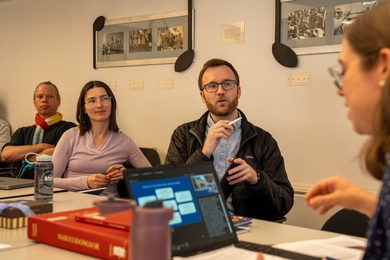
The SHASS Faculty Fellows Program, administered by the MIT Human Insight Collaborative, is fostering new research projects and creating space for supportive and interdisciplinary discussion.
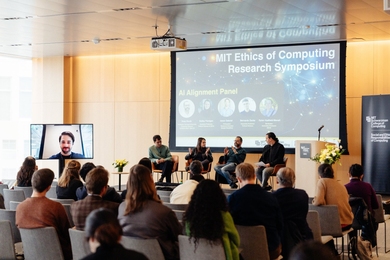
The MIT Ethics of Computing Research Symposium brought together experts and researchers working at the heart of ethical and social impact in technology.
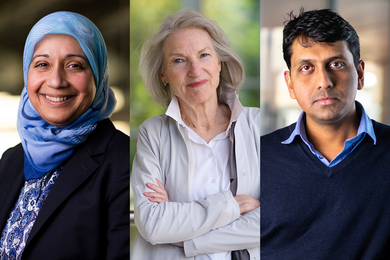
Afreen Siddiqi, Kathleen Thelen, and Vinod Vaikuntanathan, along with alumna Kate Manne, are appointed to the 2026 class of “trail-blazing fellows.”

Philosopher Sam Berstler explains why we have social norms that let people engage in open deception.
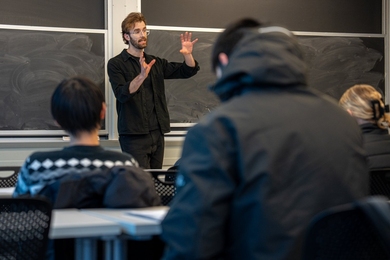
As the NC Ethics of Technology Postdoctoral Fellow, Michal Masny is advancing dialogue, teaching, and research into the social and ethical dimensions of new computing technologies.
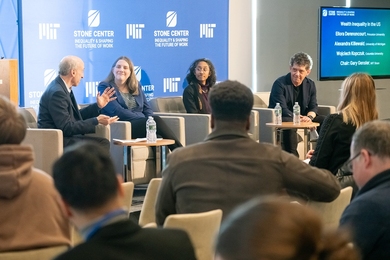
An MIT Stone Center event examined the origins, mechanisms, and political consequences of high inequality.
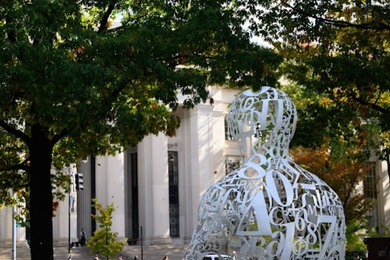
Top worldwide honors span disciplines across three MIT schools for the second year in a row.
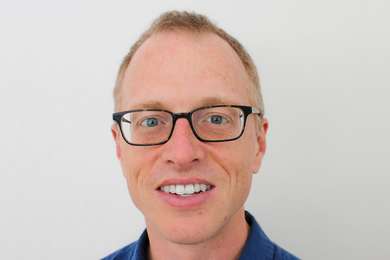
He joins Nikos Trichakis in guiding the cross-cutting initiative of the MIT Schwarzman College of Computing.
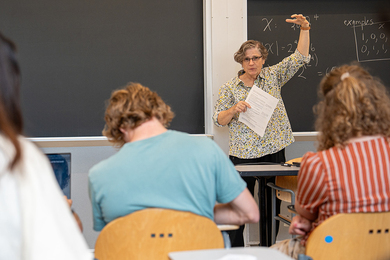
As AI technology advances, a new interdisciplinary course seeks to equip students with foundational critical thinking skills in computing.
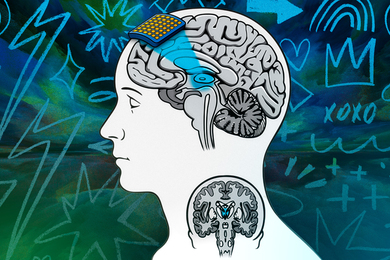
Researchers propose a roadmap for using transcranial focused ultrasound, a noninvasive way to stimulate the brain and see how it functions.
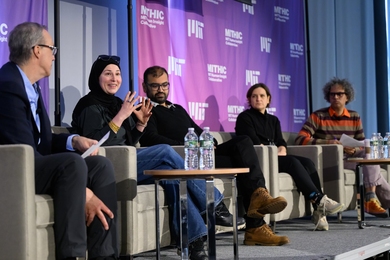
The inaugural MIT Human Insight Collaborative (MITHIC) Annual Event showcased the breadth of projects supported in the first year of the presidential initiative.

In “American Independence in verse,” MIT philosopher Brad Skow uses poems to explore the American Revolution from multiple perspectives.
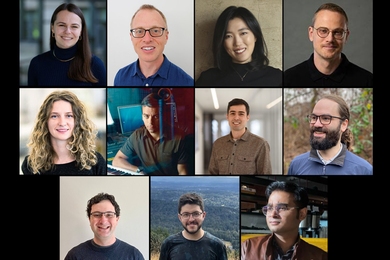
The faculty members occupy core computing and shared positions, bringing varied backgrounds and expertise to the MIT community.
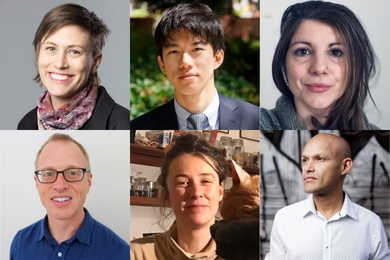
Faculty members granted tenure in Linguistics and Philosophy, Music and Theater Arts, and Political Science.