
3 Questions: Anat Biletzki on the Human Rights and Technology Fellowship Program
Designed for students, the program explores on a grand scale how technology can aid or hinder human rights.
Designed for students, the program explores on a grand scale how technology can aid or hinder human rights.
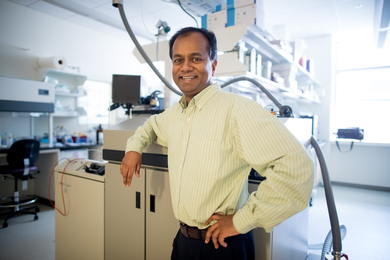
Biological engineer discusses condensing the time taken to develop therapeutics down from many years to a matter of months.
Awards to be used for ongoing work with older adults.

Far from MIT, nuclear science and engineering students take ownership of projects and explore new terrain.
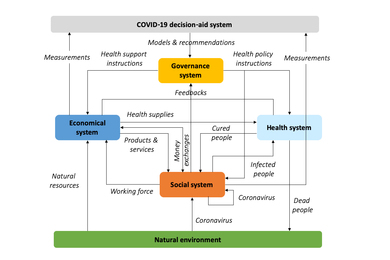
Researchers urge a holistic approach to forecasting the virus’ impact on public health and the economy.

A new NSF-funded project is developing a model to help manufacturers pivot and produce personal protective equipment.
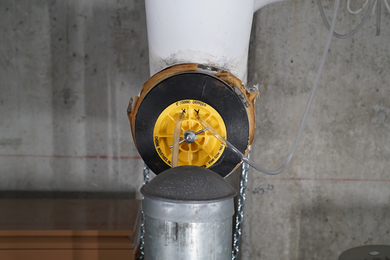
The pilot project is designed to determine if wastewater testing can provide early signals about the spread of the virus.
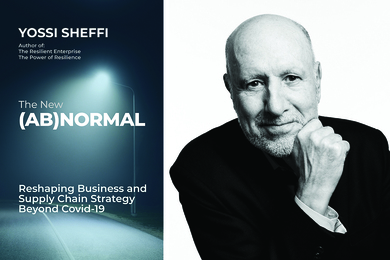
Professor Yossi Sheffi's latest book, “The New (Ab)Normal,” offers a key supply chain perspective on the pandemic.
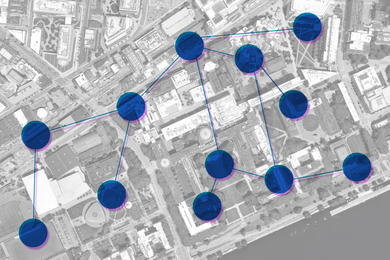
With years of experience under its belt, MIT Medical works with the campus community to limit the spread of Covid-19.

At MIT Forefront, panelists discuss health care and work during a pandemic — and the role for business where government falls short.

New ways to think about and practice protective masking, from faculty in the MIT School of Humanities, Arts, and Social Sciences.

When Covid-19 forced Edgerton Center student teams off campus, the engineers found their problem-solving skills put to the test.
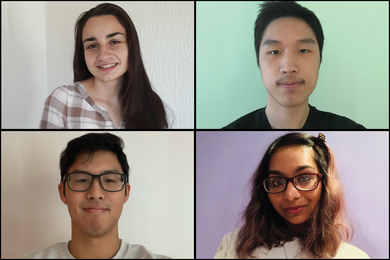
Working remotely this summer, students worked to better understand human intelligence and to advance machine learning applications.
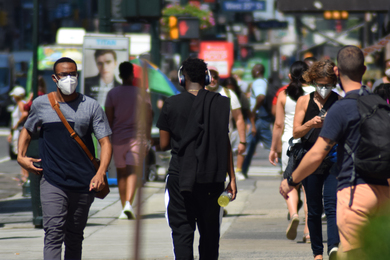
The Covid-19 Recovery and Resilience Initiative aims to catalyze evidence-based policy solutions to the challenges posed by the pandemic.
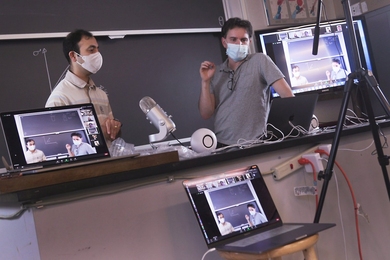
Faculty and teaching staff at MIT are piloting new methods of teaching hands-on, project-based classes this semester.