
MIT chemists discover and isolate a new boron-oxygen molecule
The discovery of dioxaborirane could expand the chemistry of boron-based reagents, providing new tools for oxidation reactions in synthesis and materials science.
The discovery of dioxaborirane could expand the chemistry of boron-based reagents, providing new tools for oxidation reactions in synthesis and materials science.

A new method for precisely moving columns of individual atoms within a material could give rise to exotic quantum properties.
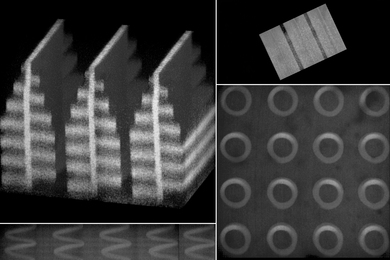
MIT researchers created tiny 3D photonic devices with features small enough to channel visible light.
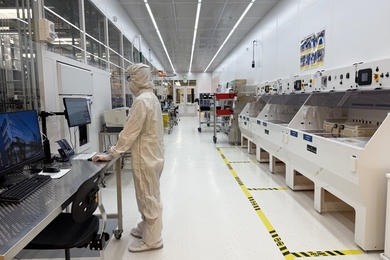
NanoFab Equipment Management and Operations (NEMO) system streamlines shared facilities management via tool trainings, reservations, and lab communications.
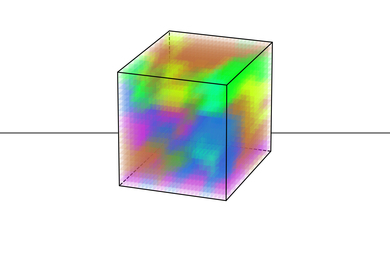
Relaxor ferroelectrics have been used in electronics and sensors for decades, but the source of their unique properties was a mystery until now.
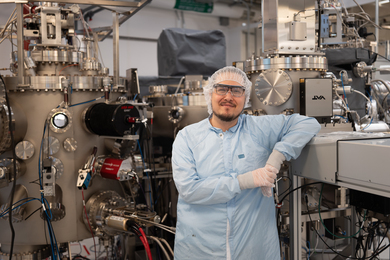
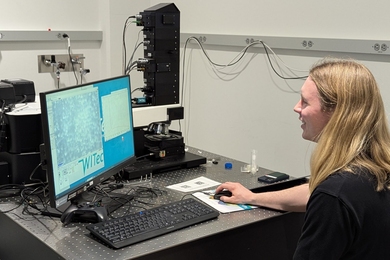
Startup accelerator program grows to over 30 companies, almost half of them with MIT pedigrees.

The electrical engineering and nanotechnology leader will guide the US Army-sponsored research center as it advances next-generation materials, electronics, and photonics for national security.

A new model measures defects that can be leveraged to improve materials’ mechanical strength, heat transfer, and energy-conversion efficiency.
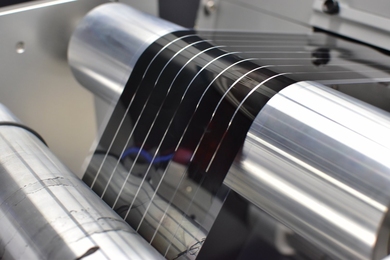
This award-winning startup with roots at the MIT Energy Initiative is developing lightweight, flexible, high-efficiency solar energy films designed to be used on roofs, walls, and any curved surface.
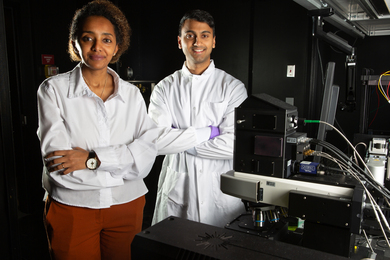
The technology could enable fast, point-of-care diagnoses for pneumonia and other lung conditions.
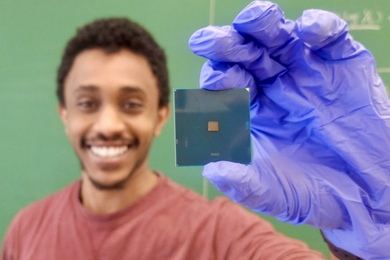
One year in, MIT’s hands-on 6-5 (Electrical Engineering With Computing) degree program is already one of the most popular majors among first-year students.
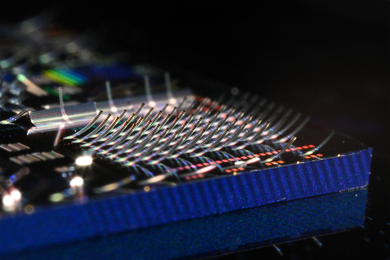
Light-emitting structures that curl off the chip surface could enable advanced displays, high-speed optical communications, and larger-scale quantum computers.
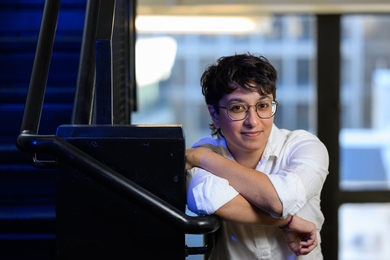
Using boron nitride nanotubes, mechanical engineering doctoral student Palak Patel develops materials for space that block dangerous ionizing radiation.
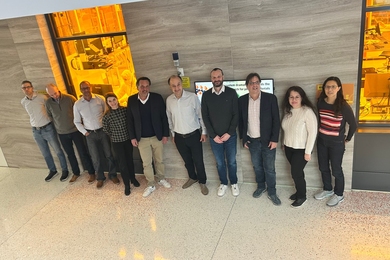
The advanced manufacturing group becomes a member and will contribute equipment to MIT.nano.