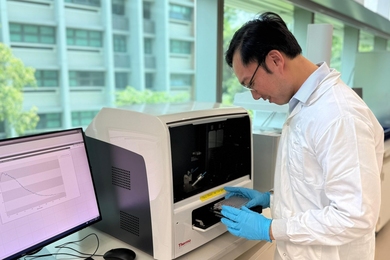
Fluorescent nanosensor enables rapid, first-of-its-kind detection of key gut health biomarker
Researchers developed an optical nanosensor to rapidly detect a key gut biomarker, enabling faster, accessible screening.
Researchers developed an optical nanosensor to rapidly detect a key gut biomarker, enabling faster, accessible screening.
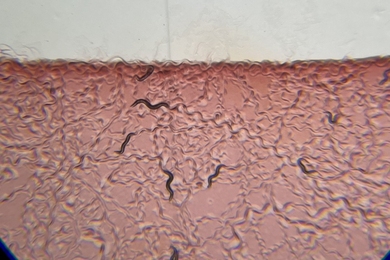
Neural interaction with bacteria has important effects on animal brains. A new study investigates how neurons sense bacteria by revealing, in nematodes, the bacterial signals that a key neuron detects.

The winning essay of the Envisioning the Future of Computing Prize puts health care disparities at the forefront.
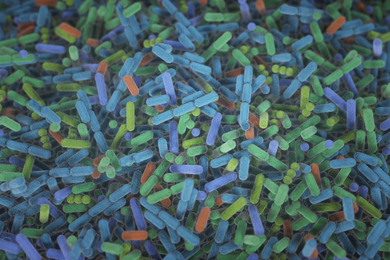
A new study of the microbiome finds intestinal bacterial interact much less often with viruses that trigger immunity updates than bacteria in the lab.
Ashutosh Kumar, a materials science and engineering PhD student and MathWorks Fellow, applies his eclectic skills to studying the relationship between bacteria and cancer.
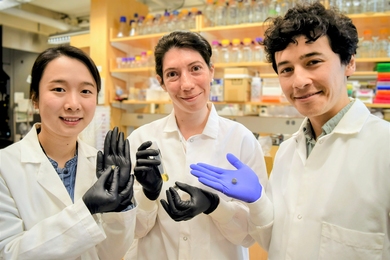
Coupling engineered bacteria with low-power electronics could be highly effective in diagnosis, treatment of bowel diseases.
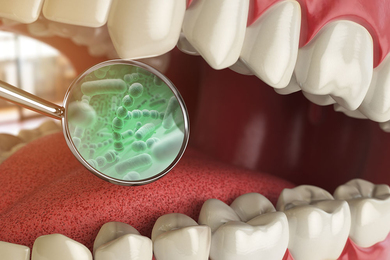
A new approach opens the door to a greater understanding of protein-microbe interactions.
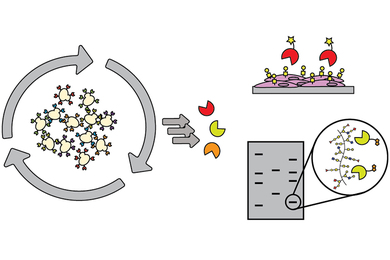
Groundbreaking research can help alleviate the challenges affiliated with studying carbohydrates.
Chih-Wei Joshua Liu ’22 is an aspiring physician-physicist working to unlock the secrets of thermodynamics in biology and medicine.
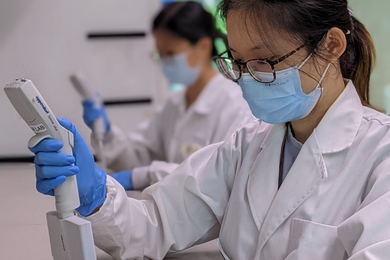
SMART researchers find explanation for why some patients might experience diarrhea after taking amoxicillin-clavulanate.
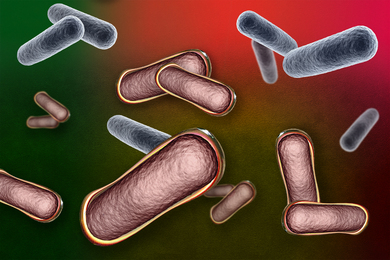
Chemical engineers created a coating for microbes that could make it easier to deploy the organisms to treat gastrointestinal disease.
Infection during pregnancy with elevated levels of the cytokine IL-17a may yield microbiome alterations that prime offspring for aberrant immune responses, mouse study suggests.
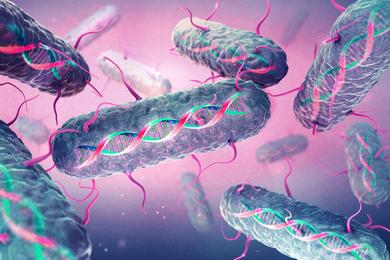
Technique for editing bacterial genomes can record interactions between cells, may offer a way to edit genes in the human microbiome.
Selective global honor supports early-career scientists and engineers in taking on new pursuits.
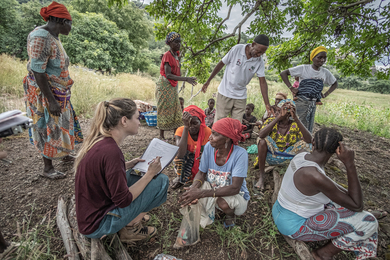
International study reveals gut bacteria from people in industrialized societies swap genes at much higher rates.