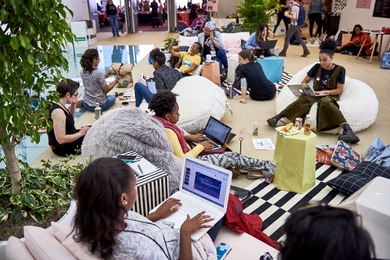
Addressing bias, inequality, and accessibility in breastfeeding
Make the Breast Pump Not Suck hackathon at the Media Lab emphasizes social and political issues over engineering.
Make the Breast Pump Not Suck hackathon at the Media Lab emphasizes social and political issues over engineering.

Faculty, students, and alumni contribute as curators and exhibitors at the world’s premier forum for architecture and design.

National Endowment for the Humanties-Mellon Foundation Open Book Program grant will support the digitization and open accessibility of key MIT Press titles.
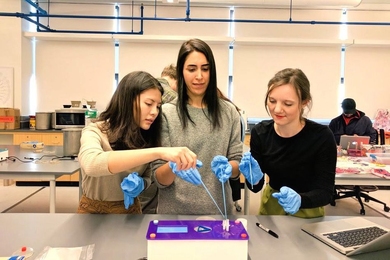
Alumna’s mini-lab kits include all necessary tools and materials for anyone to start engineering microbes.

Ambitious new piece in his “City Symphony” series features the birthplace of American democracy.
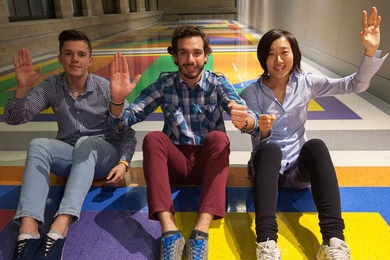
A mercurial snapshot of the myriad ways in which MIT community members can express themselves through the arts
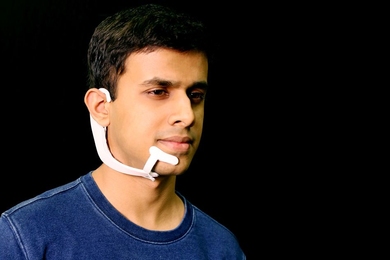
Electrodes on the face and jaw pick up otherwise undetectable neuromuscular signals triggered by internal verbalizations.
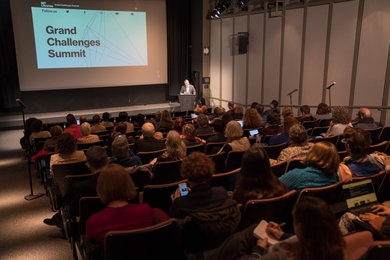
Experts in information science and scholarly communication convene at MIT to set research agenda.

Startup’s platform crunches anonymized smartphone GPS data to understand how people shop, work, and live.
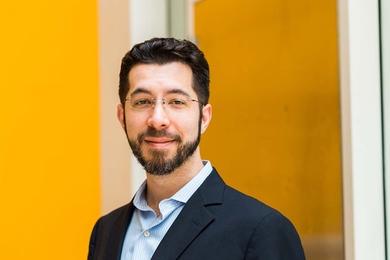
MIT scientist is among three recognized for the discovery of optogenetics.
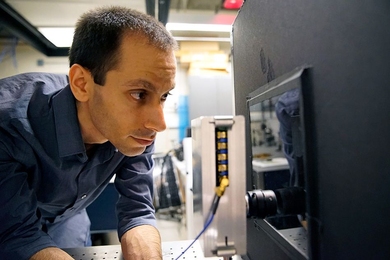
Computational photography could solve a problem that bedevils self-driving cars.

Alumni’s video-capturing drone tracks moving subjects while freely navigating any environment.
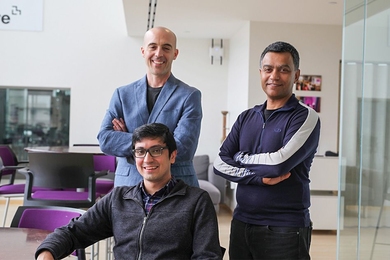
Research project finds humans, not bots, are primarily responsible for spread of misleading information.
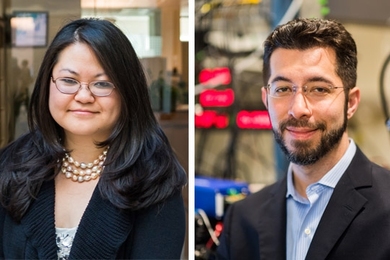
Neuroengineering leader appointed to new professorship at the McGovern Institute for Brain Research.
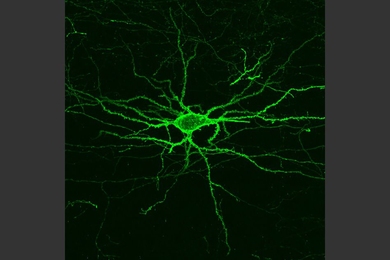
Fluorescent sensor allows imaging of neurons' electrical communications, without electrodes.