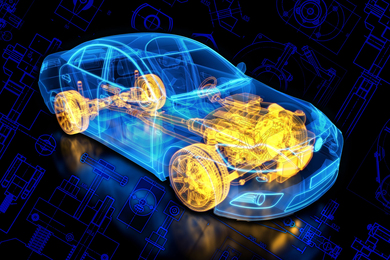
A “ChatGPT for spreadsheets” helps solve difficult engineering challenges faster
The approach could help engineers tackle extremely complex design problems, from power grid optimization to vehicle design.
The approach could help engineers tackle extremely complex design problems, from power grid optimization to vehicle design.
Offering substantial prize funding alongside workshops, classes, and mentorship, the initiative helps translate early-stage biotech research into venture-ready innovation.
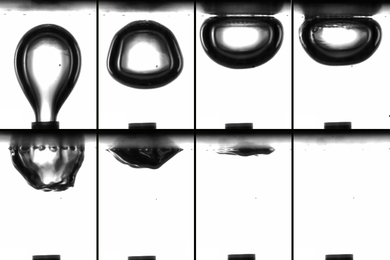
MIT researchers uncovered the physics behind bubble-removing membranes that could improve bioreactors, chemical production, and more.

Seven faculty members, along with 12 additional alumni, are honored for significant contributions to engineering research, practice, and education.
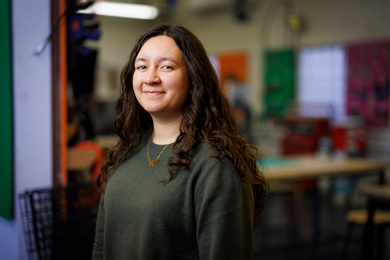
Through research with MIT D-Lab, MIT engineering student Kiyoko “Kik” Hayano worked with Keo Fish Farms to build a model for regenerative water systems.
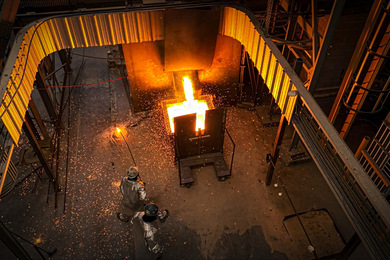
Hertha Metals, founded by Laureen Meroueh SM ’18, PhD ’20, uses an electric arc furnace, powered by natural gas and electricity, to melt and reduce low-grade iron ore in a single step.
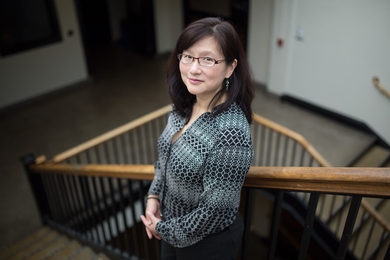
Design leader brings extensive interdisciplinary track record to key role supporting faculty across the Institute.
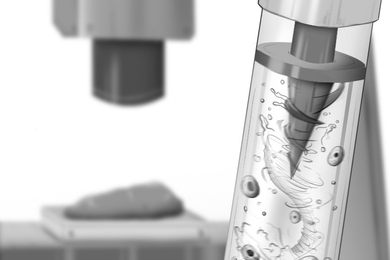
MagMix, an onboard mixing device, enables scalable manufacturing of 3D-printed tissues.
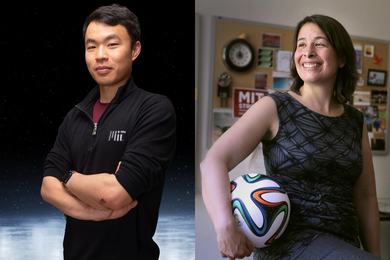
MIT Sports Lab researchers are applying AI technologies to help figure skaters improve. They also have thoughts on whether five-rotation jumps are humanly possible.
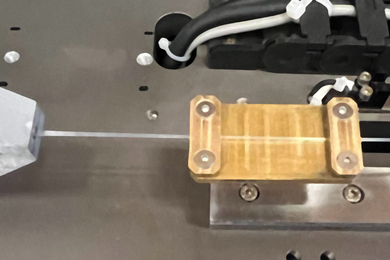
The flexible material could enable on-demand heat dissipation for electronics, fabrics, and buildings.

MIT faculty join The Curiosity Desk to discuss football, math, Olympic figure skating, AI and the quest to cure ovarian cancer.
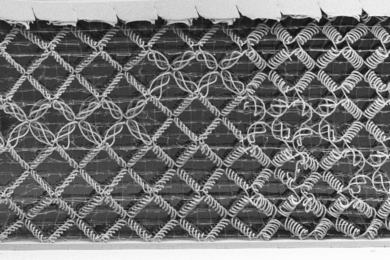
New framework supports design and fabrication of compliant materials such as printable textiles and functional foams, letting users predict deformation and material failure.
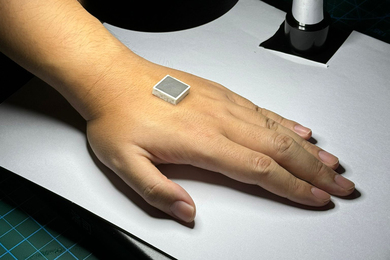
WITEC is working to develop the first wearable ultrasound imaging system to monitor chronic conditions in real-time, with the goal of enabling earlier detection and timely intervention.
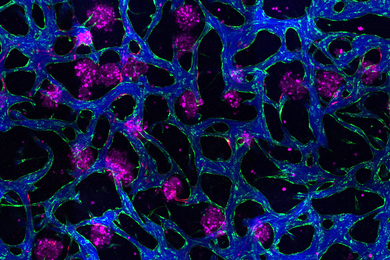
Two models more accurately replicate the physiology of the liver, offering a new way to test treatments for fat buildup.
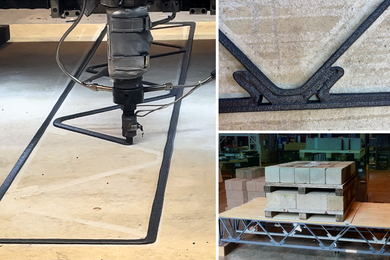
MIT engineers are using recycled plastic to 3D print construction-grade floor trusses.