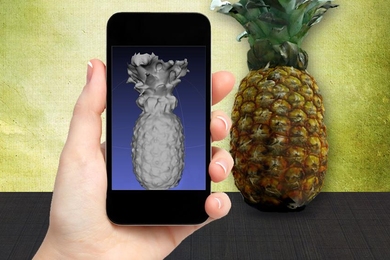
3-D scanning, with your smartphone
Startup Viztu Technologies developed commercial software that generated 3-D models from 2-D photos, before selling to a tech giant.
Startup Viztu Technologies developed commercial software that generated 3-D models from 2-D photos, before selling to a tech giant.
Award will fund continued development of Smart Morphable Surfaces (or Smorphs), a new class of on-demand morphable structures.
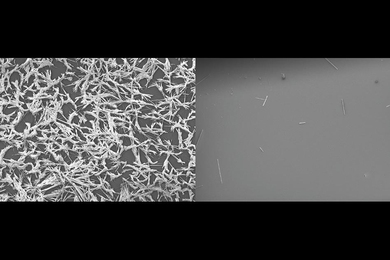
MIT researchers develop a slippery coating that could prevent the scaling that fouls oil wells and power plants.
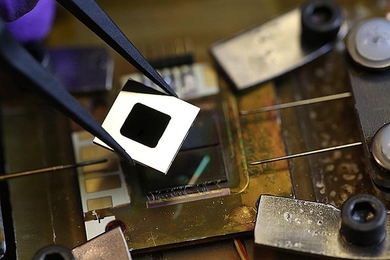
New approach developed at MIT could generate power from sunlight efficiently and on demand.
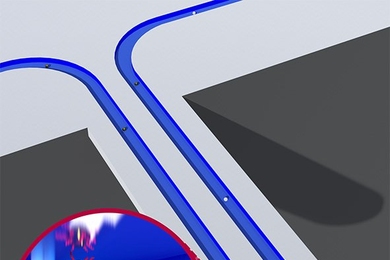
New device from MIT can measure masses as small as one millionth of a trillionth of a gram, in solution.

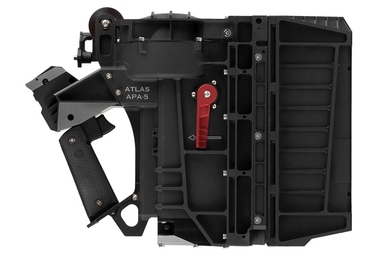
Alumni startup Atlas Devices commercializes motorized rope-climbing technology for military use.
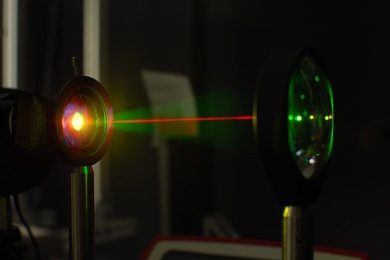
Laser doping method could enable new infrared imaging systems.
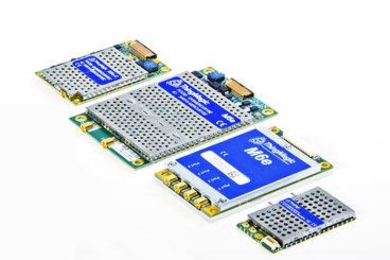
ThingMagic, founded by five MIT alumni, helped bring radio-frequency identification technology to the supply chain.
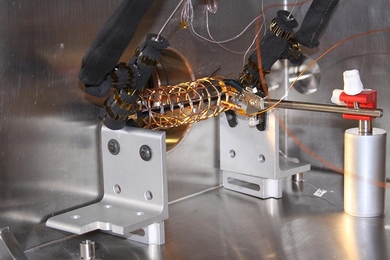
New method developed at MIT could lead to near-doubling of heat-transfer efficiency from power-plant condensers.

As the Institute’s leader from 1990 to 2004, he sparked a period of dynamism.
Final 2.009 presentations provide new ideas for athletes, patients, hobbyists, and even horses.
Kate Koch, Colleen Loynachan, Kirin Sinha, and Grace Young will study for two years in the UK.

Researchers design drug-carrying nanoparticles that can be taken orally