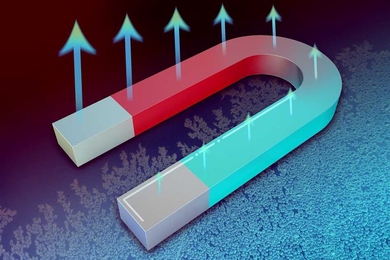

Study shows forward osmosis desalination not energy efficient
The two-step process is better suited for other applications

Microfluidics and nanofluidics research address global challenges
Karnik group develops inexpensive ways to analyze blood and filter water

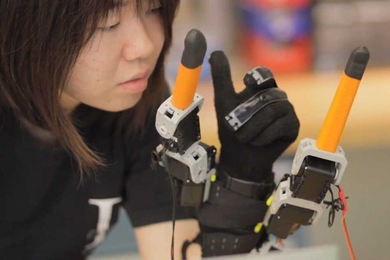
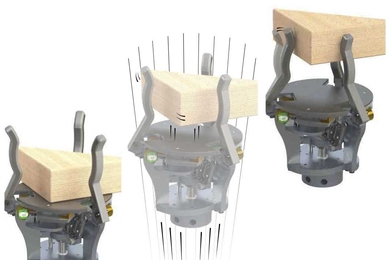
Getting a grip on robotic grasp
New wrist-mounted device augments the human hand with two robotic fingers.

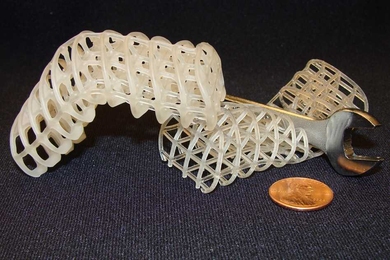
Squishy robots
Phase-changing material could allow even low-cost robots to switch between hard and soft states.
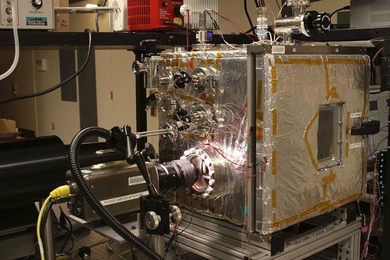
Getting a charge out of water droplets
Water condensing and jumping from a superhydrophobic surface can be harnessed to produce electricity.

Harnessing the speed of light
Nicholas Fang pushes the limits of light to improve performance in communication, fabrication, and medical imaging.
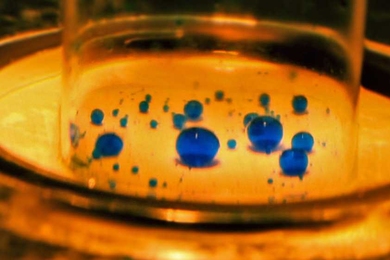
Separating finely mixed oil and water
Membrane developed by MIT researchers can separate even highly mixed fine oil-spill residues.

Graduate student Sami Khan receives research award
Hydro Research Foundation award recognizes Khan's work on novel rare earth coatings that aim to enhance the longevity of hydropower water conveyance structures.
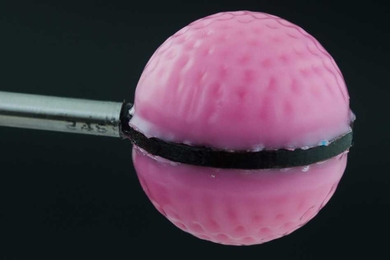
Morphable surfaces could cut air resistance
Adding golf ball-like dimples to surfaces could reduce drag and improve efficiency of vehicles.
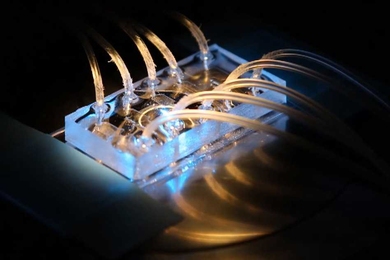
New particle-sorting method breaks speed records
Discovery could lead to new ways of detecting cancer cells or purifying contaminated water.
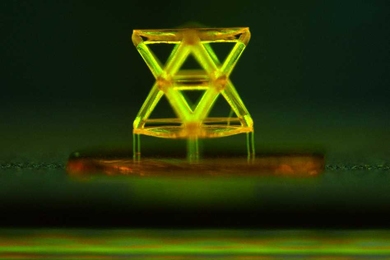
New ultrastiff, ultralight material developed
Nanostructured material based on repeating microscopic units has record-breaking stiffness at low density.