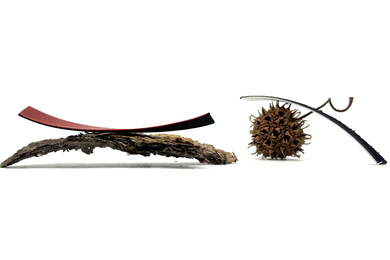
Mathematical framework connects biological principles to manufacturable, adaptive materials
The new framework could streamline the design process of robotic grippers or aerospace components that exhibit complex behaviors found in nature.
The new framework could streamline the design process of robotic grippers or aerospace components that exhibit complex behaviors found in nature.
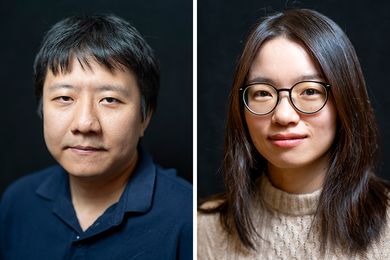
MIT-trained mathematicians earn the honor, one of the most prestigious in the field, for their significant achievements.
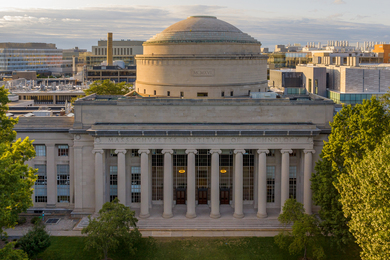
Initial research projects advance national priorities across natural resources, manufacturing, nuclear physics, and more.
“Scientific American” showcases the history and future of America’s scientific engine, highlighting promising young scientists and icons at MIT and beyond.
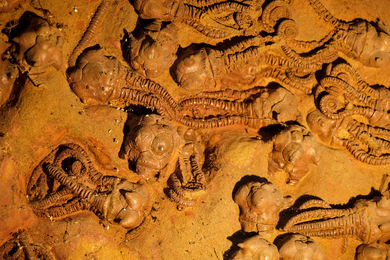
A new model links Earth’s mass extinctions to mismatches between rates of environmental change and biological adaptation.
Ranking at the top for the 15th year in a row, the Institute also places first in 12 subject areas.

MIT researchers provide a major upgrade to the nearly century-old idea of random utility models.
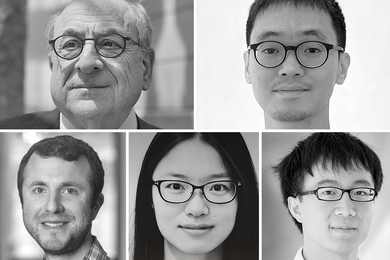
Faculty member Shu-Heng Shao, in addition to four MIT alumni, are honored by the Breakthrough Prize Foundation.
IAIFI enters its second phase with increased funding, broader ambitions, and a growing community at the frontier of AI and fundamental physics.
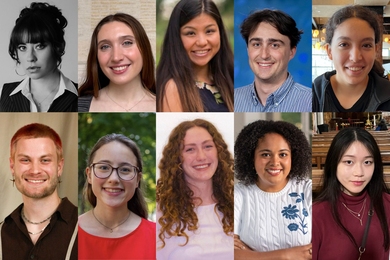
This year, over half of MIT’s Fulbright applicants won awards. The current students and alumni will embark on research projects and teaching abroad in 2026-27.
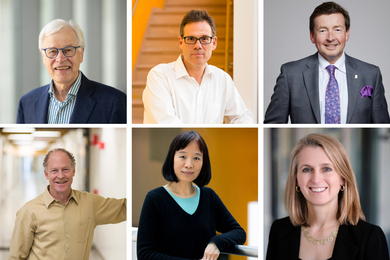
Six MIT faculty, along with 10 additional alumni, are recognized by their peers for their outstanding contributions to research in the natural and social sciences.
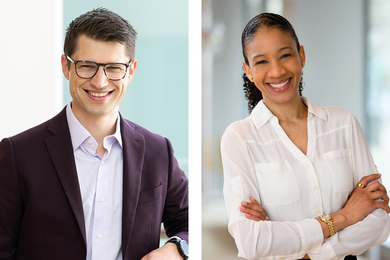
Computational neuroscientist Sven Dorkenwald and cell biologist Whitney Henry, along with two MIT alumni, are recognized for their exceptional early-career research contributions.
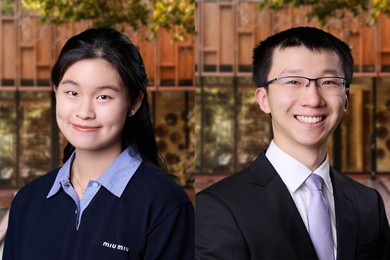
The prestigious fellowship funds graduate studies at Stanford University.
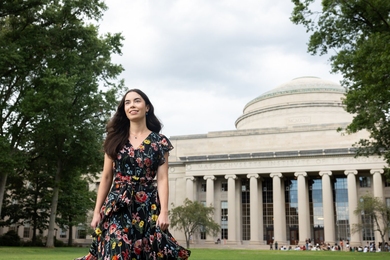
Mathematician Amanda Burcroff is developing frameworks for understanding algebraic and geometric spaces in science as part of the School of Science Dean’s Postdoctoral Fellowship.
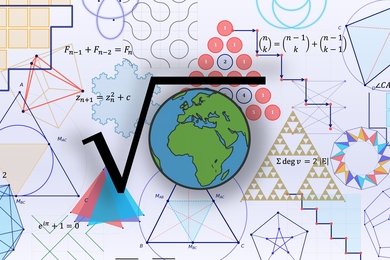
New dataset of 30,000-plus competition math problems from 47 countries gives AI researchers a harder test — and students worldwide a better training ground.