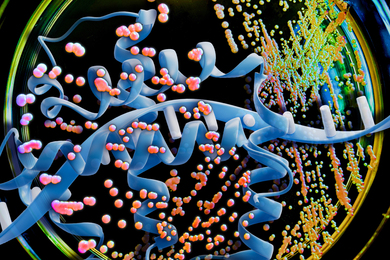
New AI model could cut the costs of developing protein drugs
MIT researchers used a large language model to optimize the genetic sequences of proteins manufactured by yeast, making production more efficient.
MIT researchers used a large language model to optimize the genetic sequences of proteins manufactured by yeast, making production more efficient.

MIT faculty join The Curiosity Desk to discuss football, math, Olympic figure skating, AI and the quest to cure ovarian cancer.
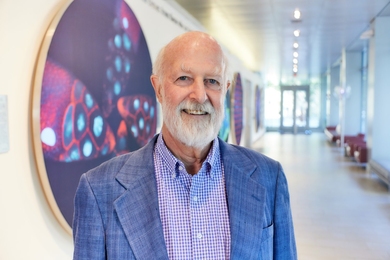
Professor, mentor, and leader at MIT for more than 50 years shaped fundamental understandings of cell adhesion, the extracellular matrix, and molecular mechanisms of metastasis.
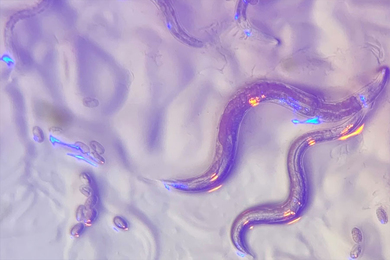
Time and again, an unassuming roundworm has illuminated aspects of biology with major consequences for human health.
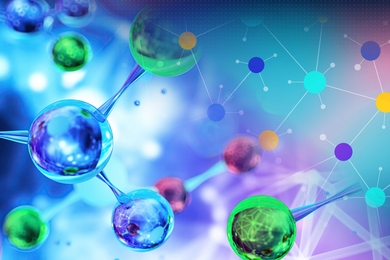
Nanoparticles coated with molecular sensors could be used to develop at-home tests for many types of cancer.
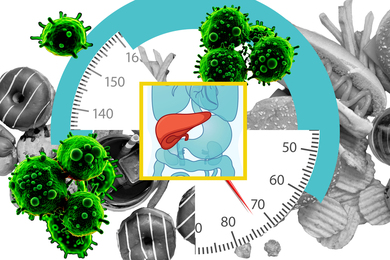
New research suggests liver cells exposed to too much fat revert to an immature state that is more susceptible to cancer-causing mutations.
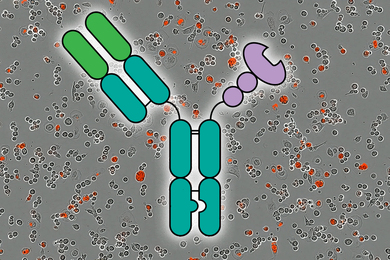
Using new molecules that block an immune checkpoint, researchers showed they could stimulate a strong anti-tumor immune response.

Angela Koehler, Iain Cheeseman, and Katharina Ribbeck are shaping the collaborative as a platform for transformative research, translation, and talent development across MIT.

Eleven new professors join the departments of Biology; Brain and Cognitive Sciences; Earth, Atmospheric and Planetary Sciences; Mathematics; and Physics.
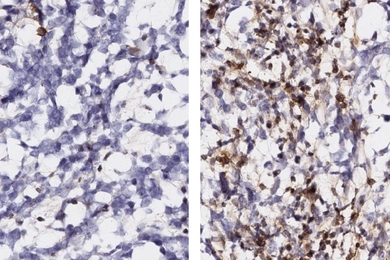
A study profiling antigens presented on immune and tumor cells in co-culture points to new strategies for attacking a treatment-resistant and deadly brain cancer.

A chemical engineer who now serves as executive vice provost, Hammond will succeed Anantha Chandrakasan.
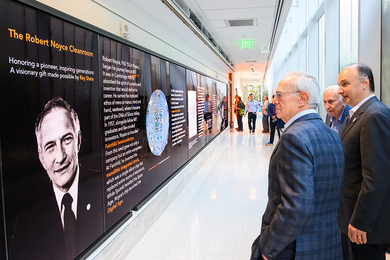
MIT.nano cleanroom complex named after Robert Noyce PhD ’53 at the 2025 Nano Summit.
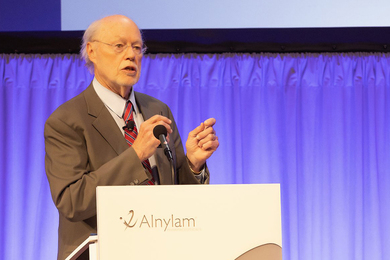
Alnylam Pharmaceuticals establishes named fund in honor of its co-founder, an MIT Institute Professor and Nobel laureate.
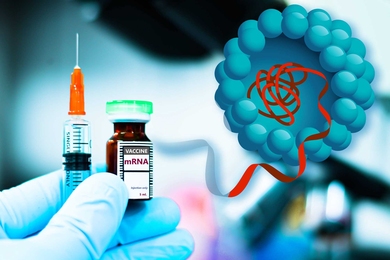
Using these nanoparticles to deliver a flu vaccine, researchers observed an effective immune response at a much lower dose.
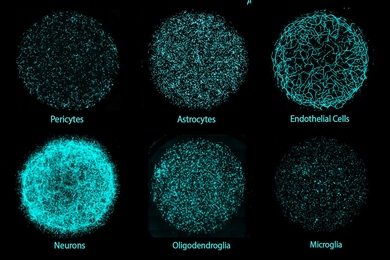
Cultured from induced pluripotent stem cells, “miBrains” integrate all major brain cell types and model brain structures, cellular interactions, activity, and pathological features.