
3 Questions: An anthropologist and a filmmaker on working-class lives in Chicago
A storytelling project by Christine Walley and Chris Boebel explores the social impacts of late 20th century deindustrialization.
A storytelling project by Christine Walley and Chris Boebel explores the social impacts of late 20th century deindustrialization.
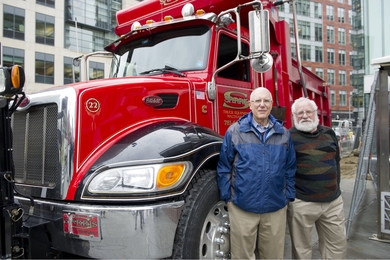
MIT researchers propose a gasoline-ethanol engine that is cleaner and more cost-effective than existing diesel engine technologies to help meet vehicle emission reduction goals.
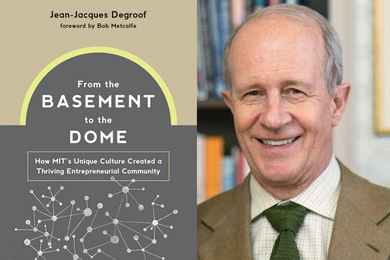
The Institute wasn’t always prolific in entrepreneurship, according to the venture investor.

Steven Simon, the Robert E. Wilhelm Fellow at the MIT Center for International Studies and an expert on US strategy and the war on terror, weighs in on 9/11 and where we can go from here.
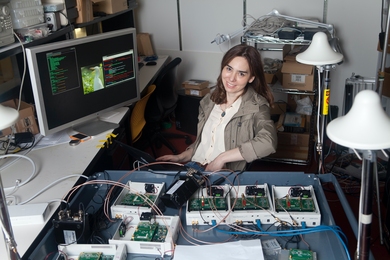
MIT professor is designing the next generation of smart wireless devices that will sit in the background, gathering and interpreting data, rather than being worn on the body.
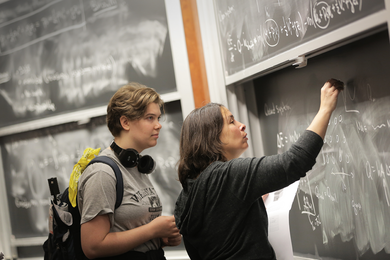
“We have not played all our cards yet,” says the associate dean of engineering and co-founder of the Isolat modeling group.
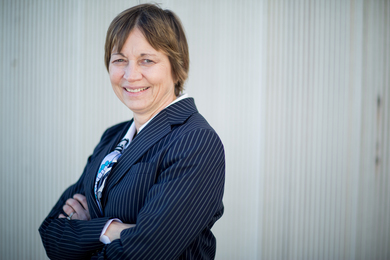
Postdocs who feel safe taking risks benefit MIT’s research community, says MIT’s vice president for research.
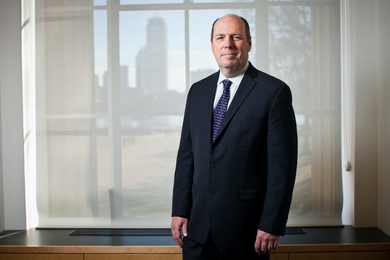
MIT’s provost discusses how community building, collaboration, accountability, and critical investments will build a more impactful MIT.

Associate Professor Justin Reich co-authors a new report on reimagining K-12 schools for a post-pandemic world.
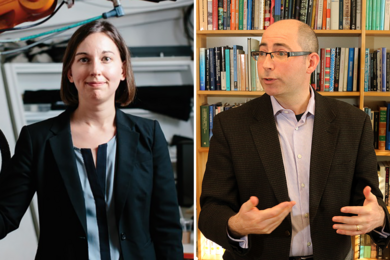
Advancing the study and practice of thinking responsibly in computing education, research, and implementation.

A new study describes why, in the sector where emissions are hardest to cut, carbon capture could be the sharpest knife.

MIT economist sees overlooked value in repairs, upgrades, and user fees to help fund projects.
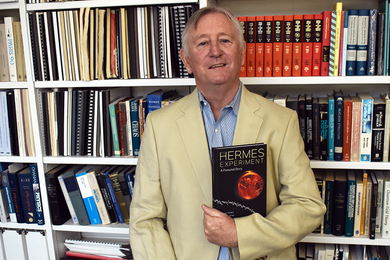
Physics professor's new book looks at the international collaboration behind HERMES, an experiment studying the spin structure of matter.

Massachusetts Secretary of Energy and Environmental Affairs discusses the state’s plans to achieve net-zero emissions by 2050 and how to get there.
How 3D-printed models of neuronal axons could accelerate development of new therapies to treat neurodegenerative disorders.