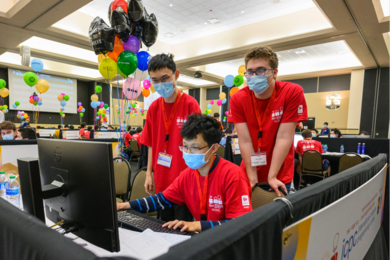
Q&A: MIT competitive programmers on going the distance
Students describe what it’s like to compete at the very top tiers of computing.
Students describe what it’s like to compete at the very top tiers of computing.
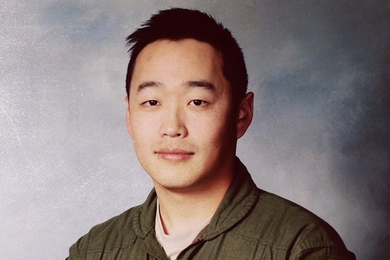
Liam Gale, new program administrator for the Student Veteran Success Office, describes experiences of student veterans and how the Institute supports them.
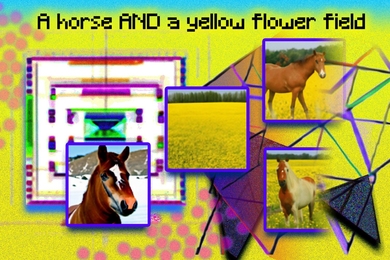
Yilun Du, a PhD student and MIT CSAIL affiliate, discusses the potential applications of generative art beyond the explosion of images that put the web into creative hysterics.
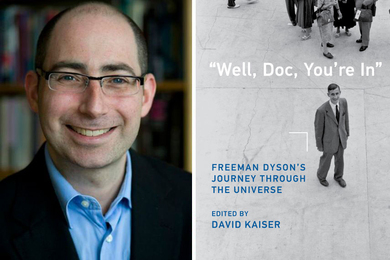
MIT physicist and historian of science has edited a new volume about Dyson, a famed quantum theorist and futurist.
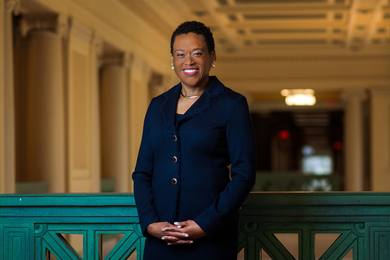
MIT chancellor and colleagues help lead special project examining how bias has distorted the scientific enterprise — and how to make things better.
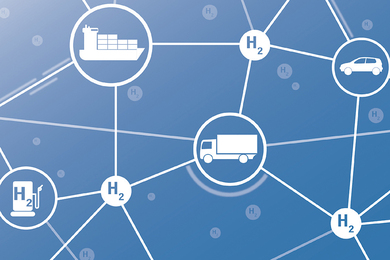
Research Scientist Emre Gençer describes natural gas–based hydrogen production with carbon capture and storage, and the role hydrogen will play in decarbonizing our energy systems.

Climate modeling shows that this summer’s devastating European heat wave may indeed be a harbinger of the future for that region.

Aleksander Madry, Asu Ozdaglar, and Luis Videgaray, co-chairs of the AI Policy Forum, discuss key issues facing the AI policy landscape today.

New position paper calls for getting stakeholders involved in wind power projects from the start.
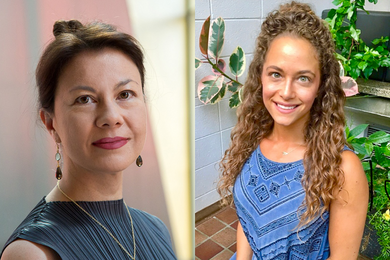
Professor Emma Teng teamed up with Lead Wellness Instructor Sarah Johnson to create an entirely new type of class at MIT.
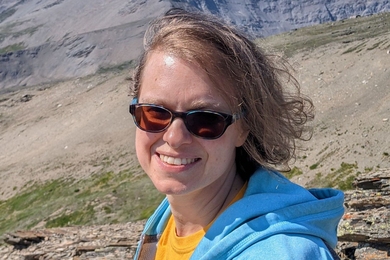
Chaplain to the Institute and associate dean of the Office of Religious, Spiritual, and Ethical Life reflects on the office’s priorities and how the community still surprises her.
The MIT researcher and former professor discusses how Covid-19 and the influx of virtual technologies created a new medical ecosystem that needs more synchronized oversight.
Cecilia Stuopis, Shawn Ferullo, and Ian A. Waitz discuss where things stand; explain the rationale behind the Institute’s testing and policies; and provide insights about what to expect this fall.
The MIT Museum director describes how the museum is reinventing itself for the 21st century.
Neuroscience professor and Science Hub investigator Ted Adelson explains how simulating the sense of touch with a camera can make robots smarter.