Q&A: Building accountability behind our words — and AI’s — in civic conversations
Professor Deb Roy contends there should be someone who is “answerable” for every piece of text in public life, no matter its origins.
Professor Deb Roy contends there should be someone who is “answerable” for every piece of text in public life, no matter its origins.
MIT Statistics and Data Science Center Director Alexander (Sasha) Rakhlin shares important considerations for departments and institutions.
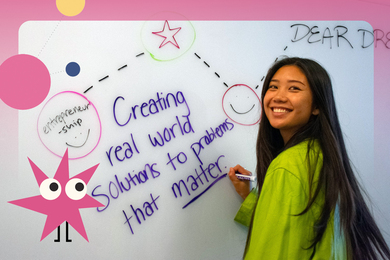
Martin Trust Center Managing Director Bill Aulet introduces Dear Dreamer, a free platform for middle and high school students who want to learn about entrepreneurship.
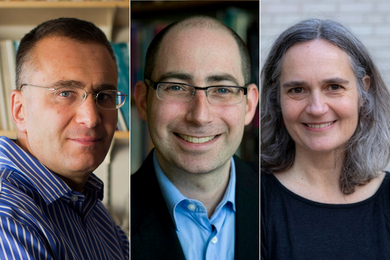
Established after World War II, the School of the Humanities, Arts, and Social Sciences is an integral part of the MIT experience. Three faculty reflect on the school’s ongoing impact.
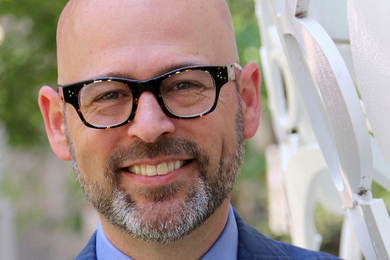
Combining a background in private law practice with a passion for problem-solving, Wilcoxson supports MIT’s mission and principles through his work as counsel.
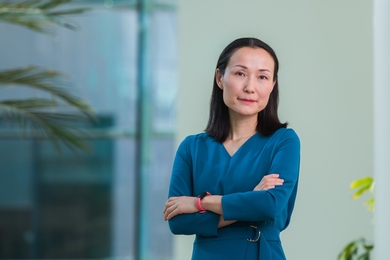
Professor Haruko Wainwright believes the risks posed by radioactive wastes cannot be properly assessed without also considering the hazards of chemical wastes.
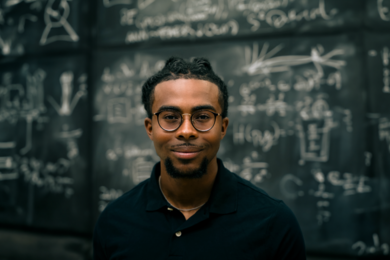
The senior from Atlanta is majoring in AI and decision making, serves as a leader in several campus groups, and has a soft spot for car improvement projects.

The junior, an electrical engineering with computing major, stays busy with many student activities, from giving MIT tours to helping lead her sorority to collaborating with the nonprofit Engineers Without Borders.
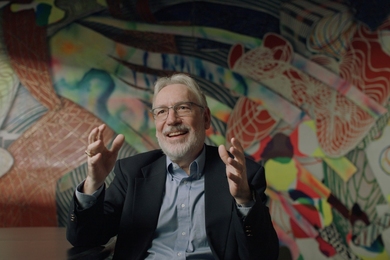
Duane Boning, MIT’s vice provost for international activities, discusses the Institute’s approach to global engagement.
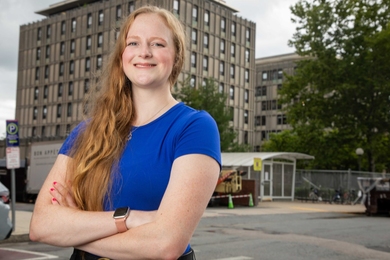
The rising senior loves her dorm and its community and wants to serve as a bridge to its next residents as the building heads into renovations.
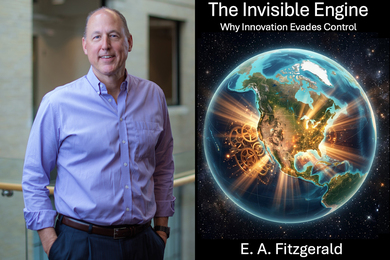
In his latest book, Professor Eugene Fitzgerald examines the forces that turn breakthroughs into value — and why innovation resists simple formulas.
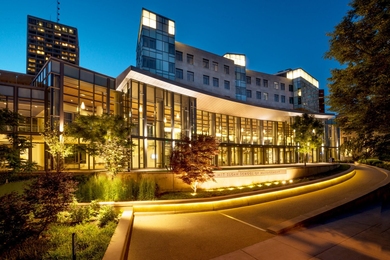
Dean Richard Locke discusses a new program that expands access for working professionals while deepening connections to Greater Boston’s innovation economy.
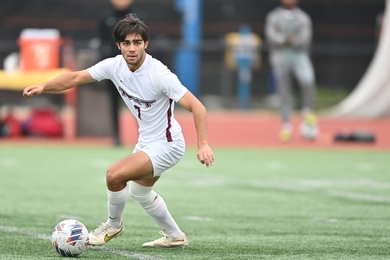
The rising senior is passionate about soccer, nuclear fusion, and advocating on behalf of his fellow student-athletes at MIT.
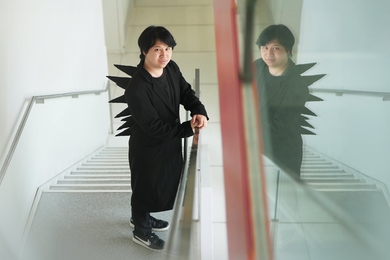
Assistant Professor Pat Pataranutaporn describes a new interface that lets everyday users glimpse inside an AI's neural network before their chatbot ever says a word.
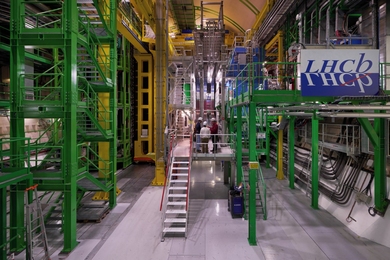
Assistant Professor Eluned Smith describes how new LHC data confirm a previously observed tension with the Standard Model, plus what else will be needed to determine whether new physics is at play.