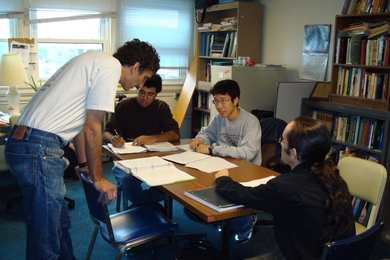
Power to the people
Entrepreneurs at MIT’s Legatum Center are trying to bring clean-energy solutions to developing countries.
Entrepreneurs at MIT’s Legatum Center are trying to bring clean-energy solutions to developing countries.
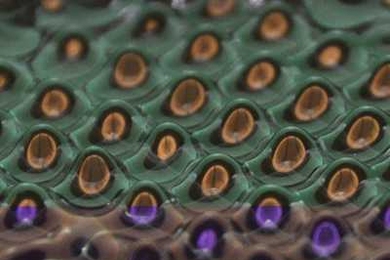
Experiments in which fluid droplets mimic the odd behavior of subatomic particles recall an abandoned interpretation of quantum mechanics.

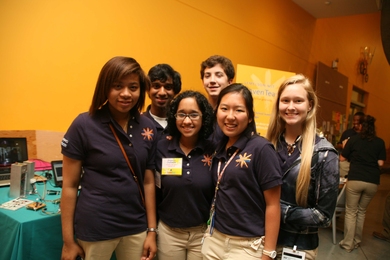
Grants meant to inspire teens to improve the world through invention; awarded to 14 high schools

MIT’s Deshpande Center helps technologies bridge the gap between the lab and the marketplace. The Obama administration likes what it sees.
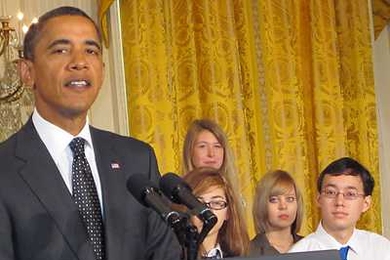
Event also features 2 high-school teams that won grants from the Lemelson-MIT Program.
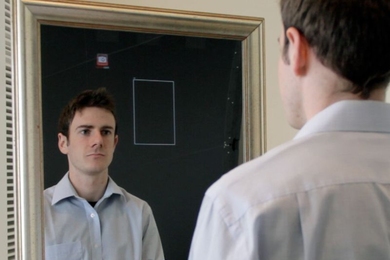
MIT team develops system for continuous medical monitoring using widely available video technology.
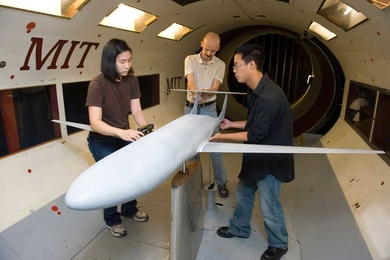
Unique plane offers significant reduction in emissions, noise and fuel use.
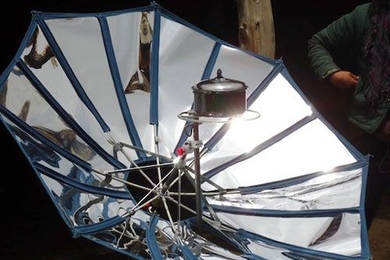
Low-cost portable device developed at MIT wins major prize in Netherlands competition.
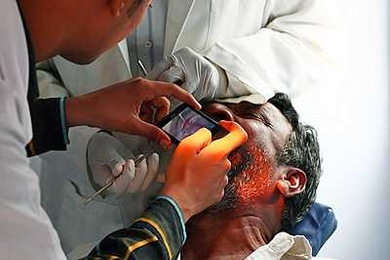
MIT-led student team develops mobile-device software to help improve health-care accessibility in remote regions.

At a Brookings Institution event, the MIT president warns U.S. STEM-education gap to have ‘disastrous consequences’ on nation.

‘TR35’ to be honored at Technology Review’s EmTech@MIT conference next month.

Fundamental ethical questions debated during daylong event