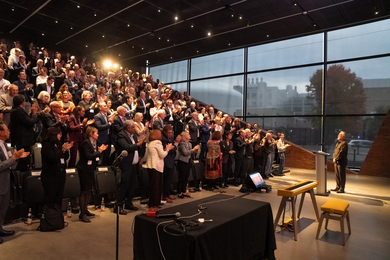
Met Warehouse dedication ceremony launches new era
Once a storage castle, now a design stronghold, the landmark building is a major new hub at MIT.
Once a storage castle, now a design stronghold, the landmark building is a major new hub at MIT.
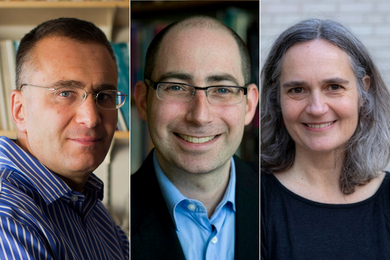
Established after World War II, the School of the Humanities, Arts, and Social Sciences is an integral part of the MIT experience. Three faculty reflect on the school’s ongoing impact.
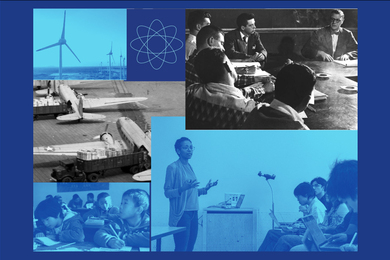
For 75 years, the Center for International Studies has brought together social scientists, engineers, and practitioners to understand global change, shape public debate, and address generational challenges.
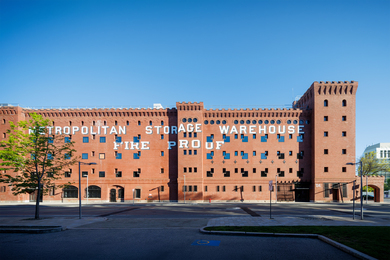
A venerable storage facility has become a 21st-century architectural tour de force. Here are the key decisions that transformed the Met Warehouse.
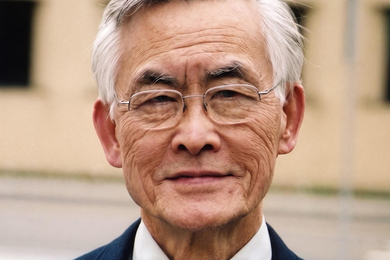
A towering figure in theoretical hydrodynamics is remembered for his intellectual rigor, generosity, and lifelong devotion to his students.
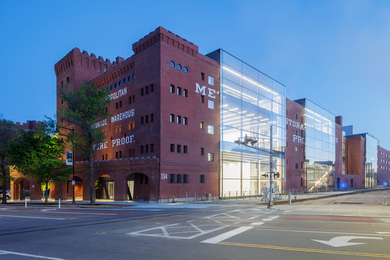
In a feat of adaptive reuse, a massive, century-old brick storage facility has been turned into a contemporary hub for collaboration and creative work.

Members of the laboratory community reflect on technology impacts that shaped the United States and the world over the past 75 years.
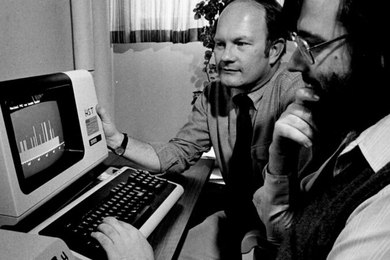
The visionary PhysioNet platform launched 25 years ago, based on a system developed at MIT in the 1970s. It has become one of the most comprehensive biomedical and clinical data repositories in existence.
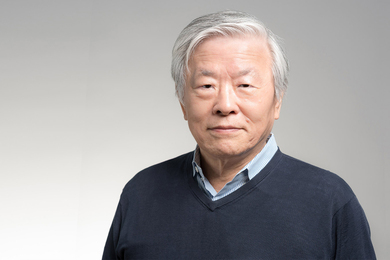
Tonegawa made landmark discoveries about how the immune system generates antibody diversity and how the brain forms memories.

A new film explores how the launch of MIT OpenCourseWare 25 years ago has helped to shape how knowledge is shared.
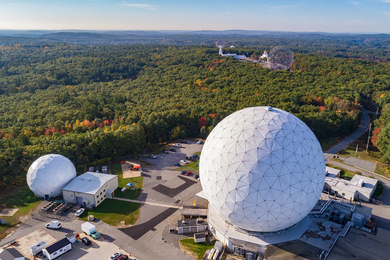
The legendary radio astronomy telescope returns to its science and educational mission at MIT Haystack Observatory.
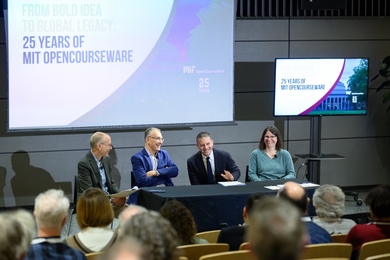
Twenty-five years ago, MIT opened its curriculum to the world with the launch of OpenCourseWare. MIT Open Learning continues to build on the legacy of that bold decision.
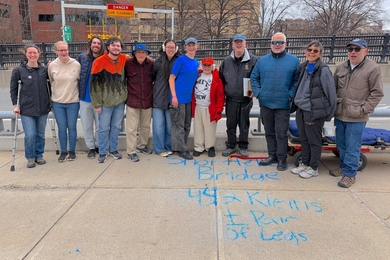
In a nod to the prank that first introduced the smoot, an MIT team rolls out the “klein” in homage to Martin Klein ’62 and playfully renames a beloved Charles River span the “Shortfellow Bridge.”
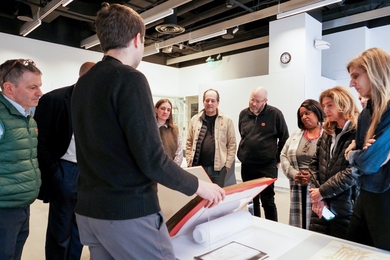
A day of conversations and archival access at the MIT Museum reflects an ongoing exchange rooted in the work and ideas of the Institute’s first Black graduate.
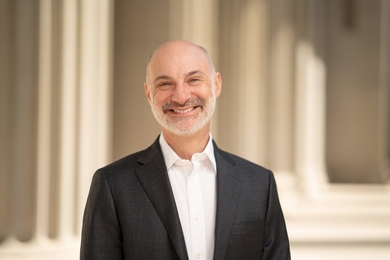
As the School of Humanities, Arts, and Social Sciences marks 75 years, Dean Agustín Rayo reflects on how AI is reshaping higher education and why SHASS disciplines continue to be central to MIT’s mission.