
Designing healthy cities
A joint initiative of SA+P's new Center for Advanced Urbanism and the American Institute of Architects
A joint initiative of SA+P's new Center for Advanced Urbanism and the American Institute of Architects

Measuring enzyme levels in patients may reveal healthy cells’ ability to survive chemotherapy.

MIT student Paige Finkelstein starts Project Helmet to distribute free bike helmets to MIT community.

Honored for research to alleviate poverty through disease prevention

Study reveals brain patterns produced by a general anesthesia drug; work could help doctors better monitor patients.
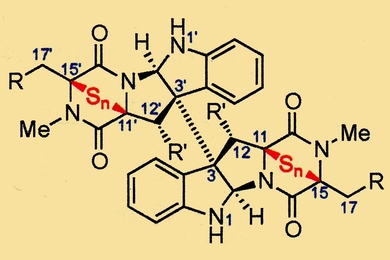
Study of several dozen compounds based on a fungal chemical shows potent anti-tumor activity.

Study: Consumers avoid high-deductible plans if they expect to reduce their use of medical care.

Solar concentrating system could replace fuel-powered or electric devices in remote villages.

Two MIT Sloan students resurrect the club with fitness classes, martial arts lessons and other activities.
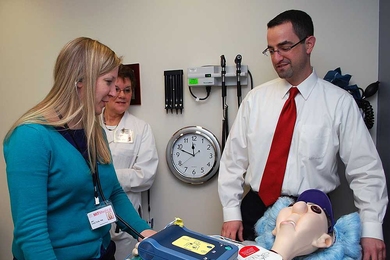

Precision machine design class links doctors with students to find ways of meeting pressing medical needs for new technology.

Polymer film that gradually releases DNA coding for viral proteins could offer a better alternative to traditional vaccines.

Mutant forms of the gene disrupt chemical modifications that control access to genes necessary for normal brain cell function.

MIT, Harvard professors map future trends, reveal ways to reduce mercury levels on eve of final international meeting for mercury control.