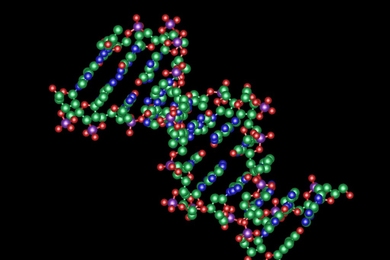
Controlling genes with light
New technique can rapidly turn genes on and off, helping scientists better understand their function.
New technique can rapidly turn genes on and off, helping scientists better understand their function.
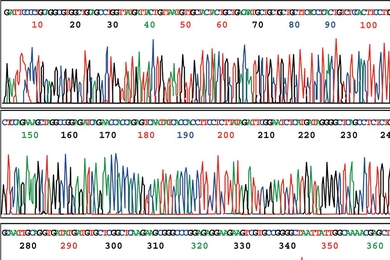
Improved technique makes it easier to add or delete genes in living cells, with less risk of off-target DNA damage.

MIT biologists reveal how cells control the direction in which the genome is read.

MIT researchers find that high ratio of freeloaders makes it more likely colony will die from sudden shock to environment.
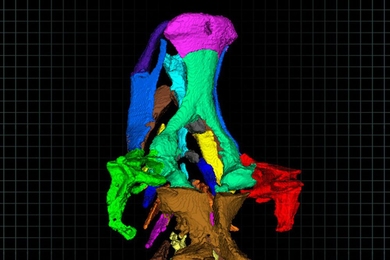
Automated system for high-speed analysis of vertebrate larvae could aid drug development.

Biologists find that long non-coding RNA molecules are necessary to regulate differentiation of embryonic stem cells into cardiac cells.
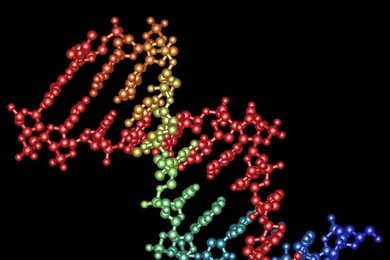
New method allows scientists to insert multiple genes in specific locations, delete defective genes.
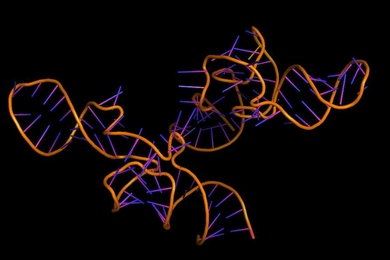
MIT biologists find that alternative splicing of RNA rewires signaling in different tissues and may often contribute to species differences.
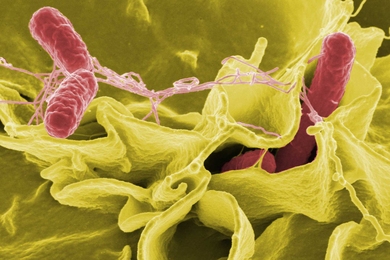
New sensor can detect four different molecules, could be used to program cells to precisely monitor their environments.
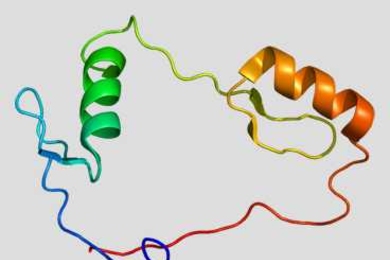
A new method identifies the precise binding sites of transcription factors — proteins that regulate the production of other proteins — with 10 times the accuracy of its predecessors.

New map provides a reference for interpreting function of disease-associated regions.
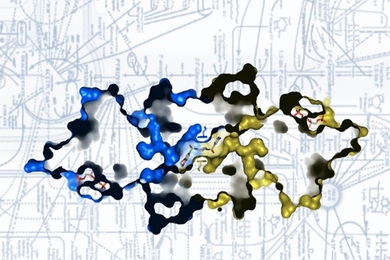
Drug-like molecule restores normal cell metabolism, preventing cancer cells from growing.
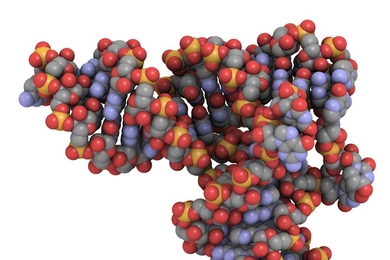
Particles that shut off cancer genes could also allow researchers to screen potential drug targets more rapidly.
Engineers design new proteins that can help control novel genetic circuits in cells.
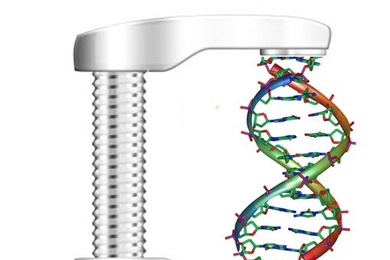
Biologists’ capacity for generating genomic data is increasing more rapidly than computing power. A new algorithm will help them keep up.