
3 Questions: Phillip Sharp on the discoveries that enabled mRNA vaccines for Covid-19
Curiosity-driven basic science in the 1970s laid the groundwork for today’s leading vaccines against the novel coronavirus.
Curiosity-driven basic science in the 1970s laid the groundwork for today’s leading vaccines against the novel coronavirus.
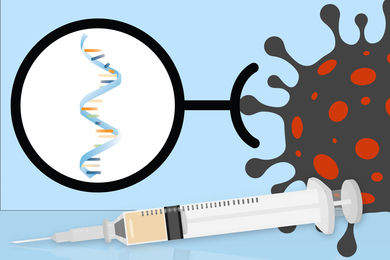
Many years of research have enabled scientists to quickly synthesize RNA vaccines and deliver them inside cells.
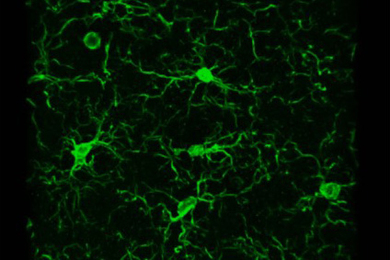
Speakers describe studies to address Alzheimer’s disease, sleep apnea, and to advance fundamental discoveries in cell and chromosome biology.
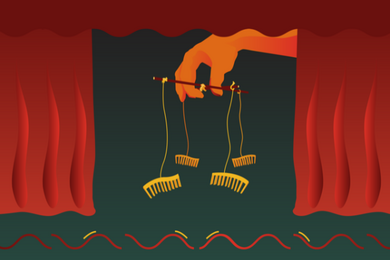
Tiny microRNAs help destroy unwanted messenger RNAs in cells. New research finds how the body keeps them in check.
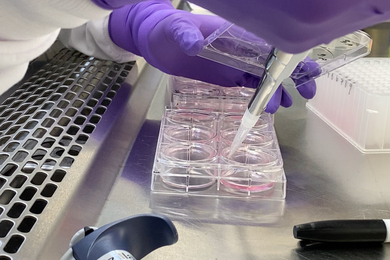
Immuneering uses bioinformatics to develop new medicines while also helping large pharmaceutical companies improve their treatments.
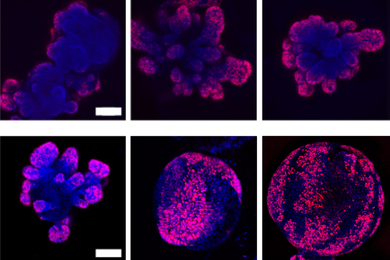
Study finds that compressing cells, and crowding their contents, can coax them to grow and divide.
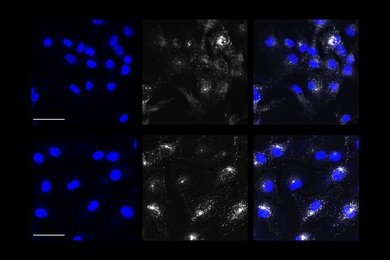
Astrocytes with the APOE4 gene variant show deficits of a key cellular function, but overexpressing the gene PICALM overcame the defect.
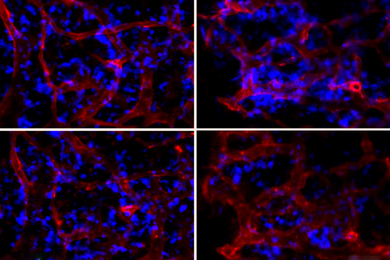
Using these new particles, researchers could develop treatments for heart disease and other conditions.
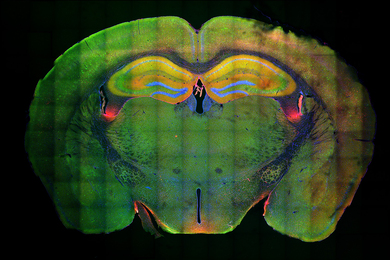
Modifications to chromosomes in “engram” neurons control the encoding and retrieval of memories.
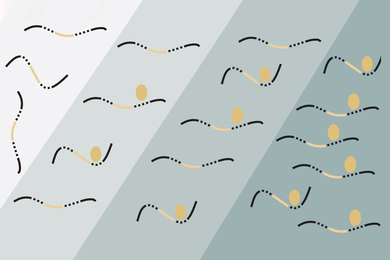
A well-known protein family binds to many more RNA sequences than previously thought in order to help neurons grow.

Findings related to bacterial gene expression overturn fundamental assumptions about basic biological pathways.
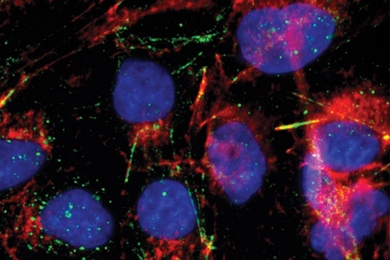
ENCODE consortium identifies RNA sequences that are involved in regulating gene expression.

An unconventional geneticist uses cryogenic electron microscopy and crystallography to understand gene expression and cell fate.
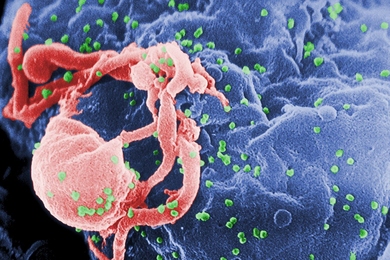
Differently shaped RNA molecules allow HIV to express different genes from the same RNA sequence.
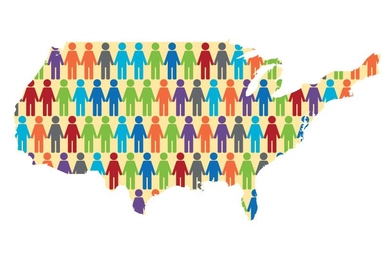
Genetic, geographic, and demographic data from more than 30,000 Americans reveal more genetic diversity within ancestry groups than previously thought.