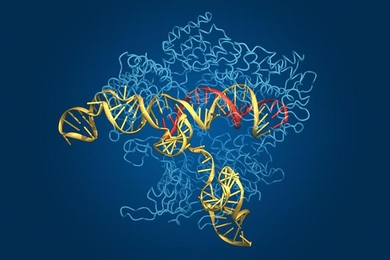
Research reveals structure of key CRISPR complex
Work reveals how a genome-editing tool works to correct errors in the genetic code.
Work reveals how a genome-editing tool works to correct errors in the genetic code.
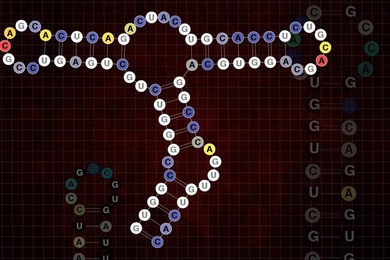
Computer models plus observations of RNA inside a cell help scientists home in on a short list of interesting RNA ‘machines.’
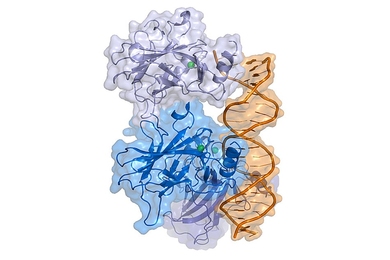
Drugs that block new target gene could make many tumors more vulnerable to chemotherapy.
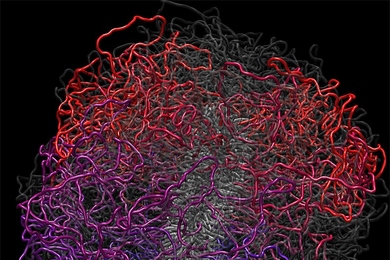
Scientists find that loops of DNA are key to tightly packing genetic material for cell division.
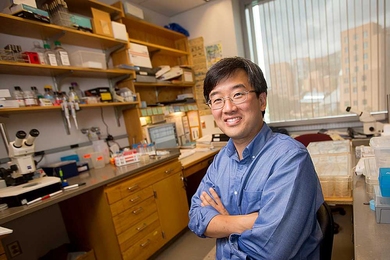
Biology professor Dennis Kim seeks to understand the physiology and evolution of host-microbe interactions by studying a simple worm.
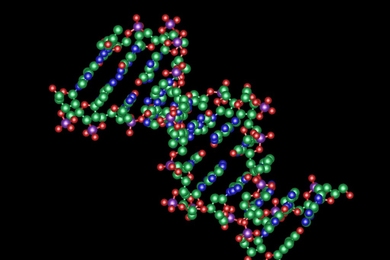
New technique can rapidly turn genes on and off, helping scientists better understand their function.
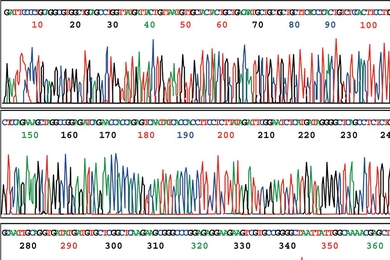
Improved technique makes it easier to add or delete genes in living cells, with less risk of off-target DNA damage.
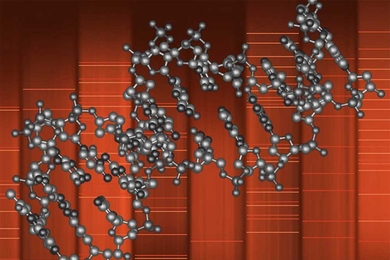
MIT biologists reveal how cells control the direction in which the genome is read.

MIT researchers find that high ratio of freeloaders makes it more likely colony will die from sudden shock to environment.
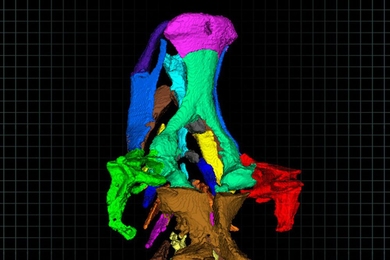
Automated system for high-speed analysis of vertebrate larvae could aid drug development.
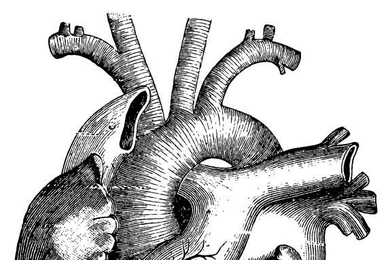
Biologists find that long non-coding RNA molecules are necessary to regulate differentiation of embryonic stem cells into cardiac cells.
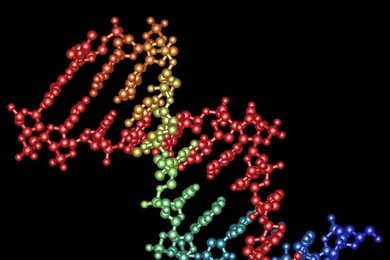
New method allows scientists to insert multiple genes in specific locations, delete defective genes.
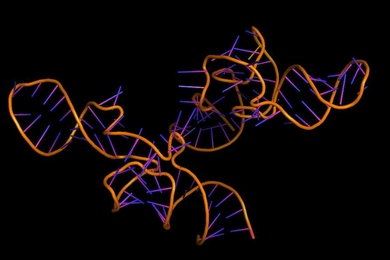
MIT biologists find that alternative splicing of RNA rewires signaling in different tissues and may often contribute to species differences.
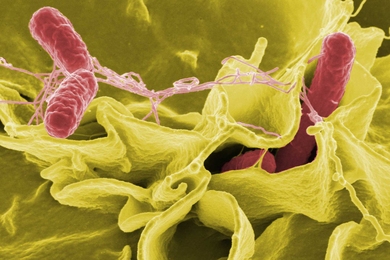
New sensor can detect four different molecules, could be used to program cells to precisely monitor their environments.