MIT student leaders go virtual with global startup competitions
In the face of Covid-19, the MIT Water Club and the MIT Food and Agriculture Club take their signature innovation prizes online.
In the face of Covid-19, the MIT Water Club and the MIT Food and Agriculture Club take their signature innovation prizes online.
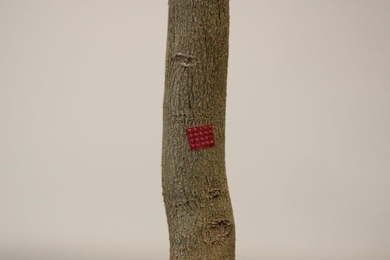
Microneedles made of silk-based material can target plant tissues for delivery of micronutrients, hormones, or genes.
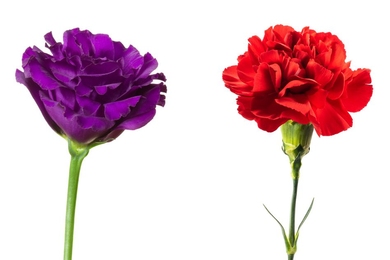
Monitoring the plant hormone ethylene could reveal when fruits and vegetables are about to spoil.

Study reveals a mechanism that plants can use to dissipate excess sunlight as heat.

Led by Christine Marcus MBA ’12, Alchemista is finding success with a human-centered approach to food service.
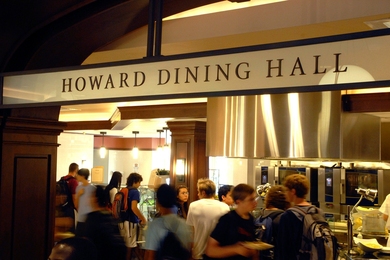
The $250,000 prize is awarded to six teams of college and university dining programs to bring more local food to campus menus.
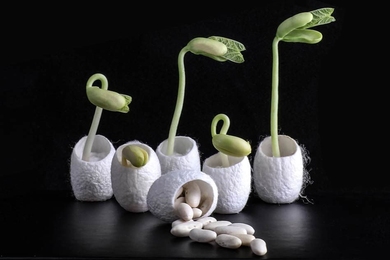
A specialized silk covering could protect seeds from salinity while also providing fertilizer-generating microbes.
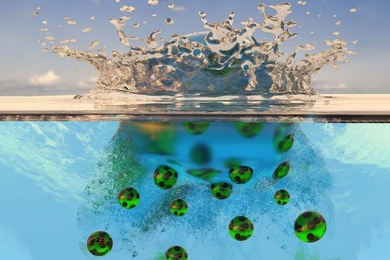
New strategy for encapsulating nutrients makes it easier to fortify foods with iron and vitamin A.
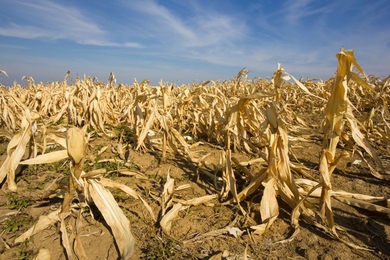
The Abdul Latif Jameel Water and Food Systems Lab presents a new report on climate, agriculture, water, and food security — with plans for more research.
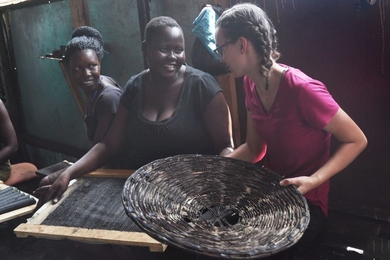
Mechanical engineering students in MIT D-Lab are working with collaborators in Uganda on a solution for the health hazards associated with wood-burning stoves.
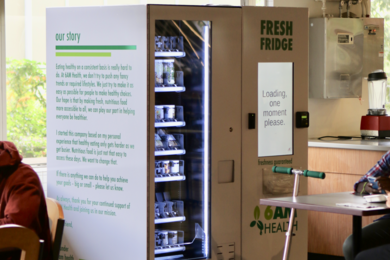
Now at the Student Center and Building 16, Fresh Fridge by 6am Health offers healthy options for eating on the go.
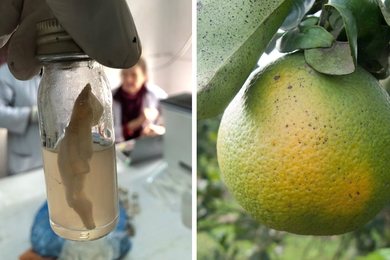
Projects address access to clean water in Nepal via wearable E. coli test kits, improving the resilience of commercial citrus groves, and more.
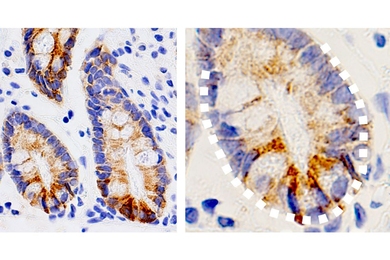
Molecules called ketone bodies may improve stem cells’ ability to regenerate new intestinal tissue.

A giant in the field of food science and engineering, Karel developed important innovations in food packaging as well as food systems for long-term space travel.

J-WAFS announces graduate fellowships for Sahil Shah and Peter Godart, both of the Department of Mechanical Engineering.