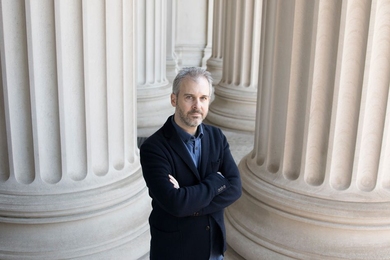
House rules
Research shows how rebuilding Britain’s Houses of Parliament in the 1800s helped create clean-air laws.
Research shows how rebuilding Britain’s Houses of Parliament in the 1800s helped create clean-air laws.
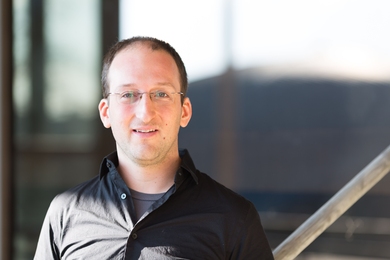
Nuclear scientist Michael Short aims to understand the full range of defects produced when materials are exposed to radiation.
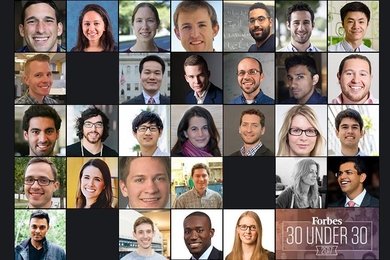
Students, faculty, staff, and alumni honored in "the most definitive gathering of today’s leading young change-makers and innovators."
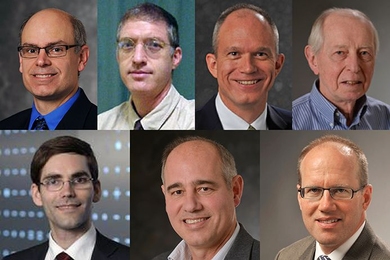
Five Lincoln Laboratory staff members and two others from MIT honored for the advancement of engineering, science, and technology.
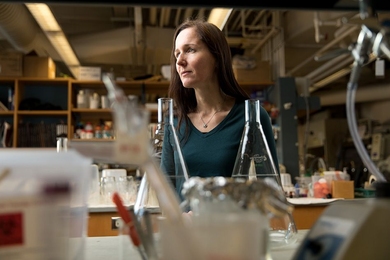
Chemist Elizabeth Nolan studies the battle between microbes and hosts for essential metals.
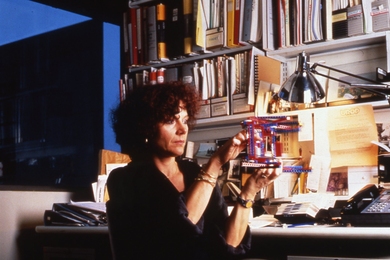
The former MIT Media Lab faculty member explored the intersections of play, learning, design, and technology.
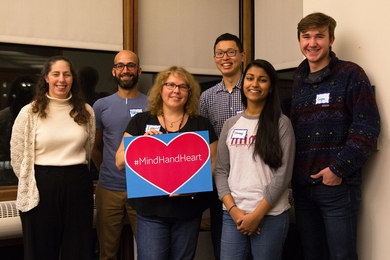
Grants totaling $21,450 were awarded to seven proposals in MindHandHeart’s fourth funding cycle.

Test-of-time award recognizes work that has stimulated new conceptualizations of communication phenomena.
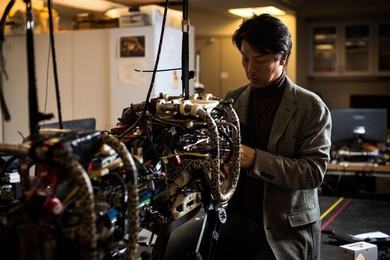
Mechanical engineer Sangbae Kim builds animal-like machines for use in disaster response.
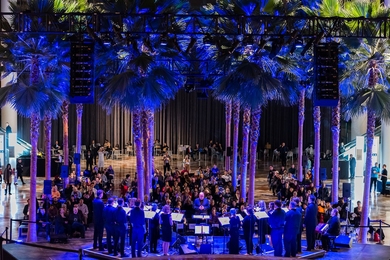
New work by composer Pete M. Wyer draws inspiration from MIT linguistic scholar Shigeru Miyagawa's hypothesis on the origins of human language.
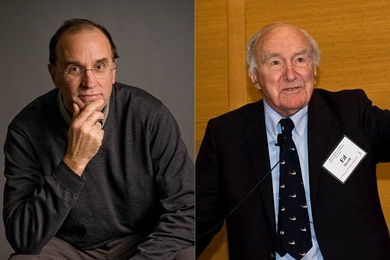
Cima and Merrill recognized for contributions resulting in a tangible impact on quality of life, economic development, and the welfare of society.
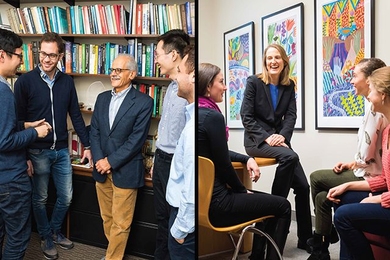
These generous professors put students first, support in both large and small ways.
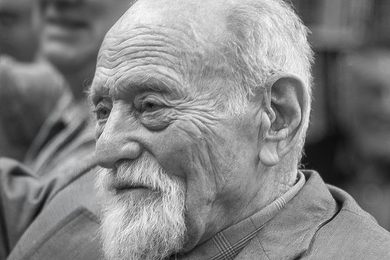
Longtime professor and former department head spent a lifetime investigating the mechanisms of visual perception.
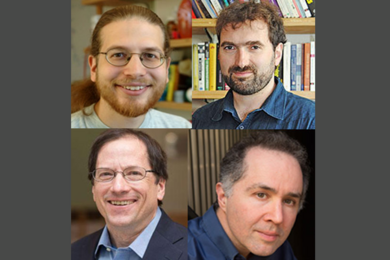
Association for Computer Machinery cites Erik Demaine, Fredo Durand, William Freeman, and Daniel Jackson for having "provided key knowledge" to computing.
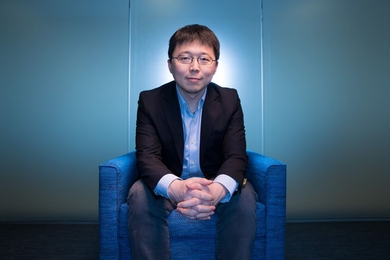
MIT and Broad Institute scientist shares recognition with four other scientists for developing CRISPR gene-editing systems.