
Designing across cultural and geographic divides
Through a collaboration between the MIT first-year learning community Terrascope, Diné College, and University of Puerto Rico, students learn fundamental design principles — and much more.
Through a collaboration between the MIT first-year learning community Terrascope, Diné College, and University of Puerto Rico, students learn fundamental design principles — and much more.
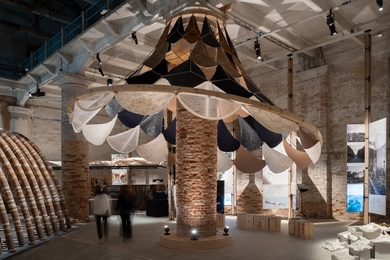
A project at the Venice Biennale showcases biodegradable materials and structural systems using tension and compression.

MIT’s first vice president for energy and climate is working to accelerate research and development toward transformational solutions.

The LOBSTgER research initiative at MIT Sea Grant explores how generative AI can expand scientific storytelling by building on field-based photographic data.

Research shows these channels allow seawater and nutrients to flow in and out, helping to maintain reef health over millions of years.
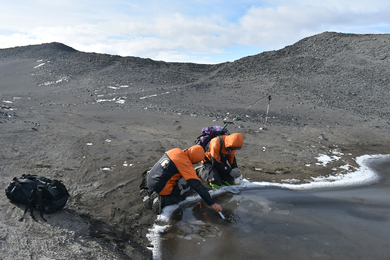
Modern-day analogs in Antarctica reveal ponds teeming with life similar to early multicellular organisms.
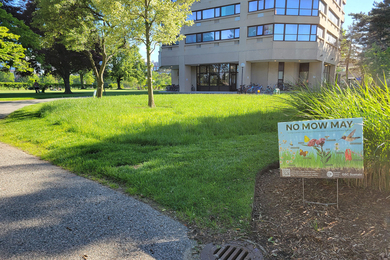
With advocacy from GSC Sustain, the No Mow May project supports pollinator habitats and provides educational opportunities.
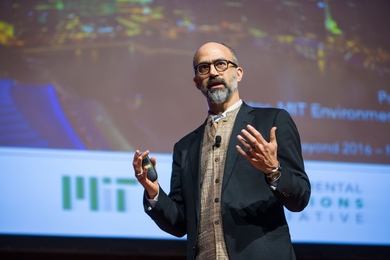
John Fernandez will step down as head of the Environmental Solutions Initiative, as its components will become part of the Climate Project and other entities.
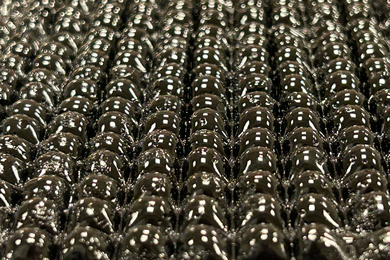
MIT engineers developed an atmospheric water harvester that produces fresh water anywhere — even Death Valley, California.
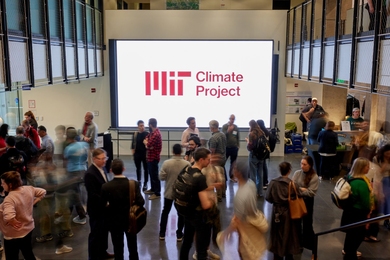
Campus gathers with Vice President for Energy and Climate Evelyn Wang to explore the Climate Project at MIT, make connections, and exchange ideas.
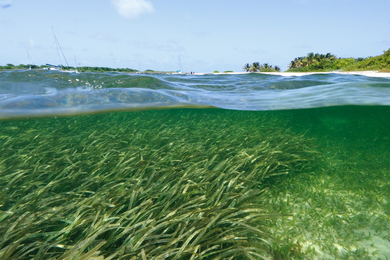
Biofilms deposited by living organisms reduce the accumulation of small particles, while areas of bare sand can be microplastics hotspots.
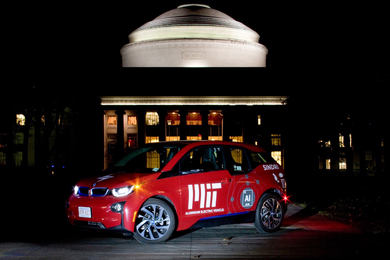
The method’s overall carbon emissions are on par with those of other green hydrogen technologies.

With demand for cement alternatives rising, an MIT team uses machine learning to hunt for new ingredients across the scientific literature.
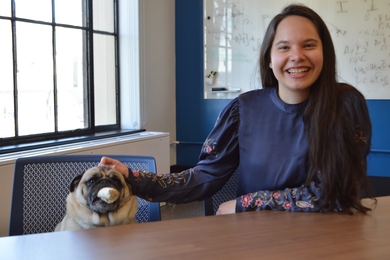
Ananda Santos Figueiredo, a senior in climate system science and engineering, is charting her own course of impact.
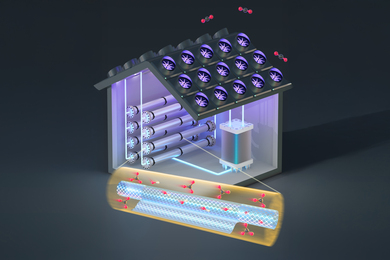
Today’s carbon capture systems suffer a tradeoff between efficient capture and release, but a new approach developed at MIT can boost overall efficiency.