
In China, a link between happiness and air quality
Moods expressed on social media tend to decline when air pollution gets worse, study finds.
Moods expressed on social media tend to decline when air pollution gets worse, study finds.
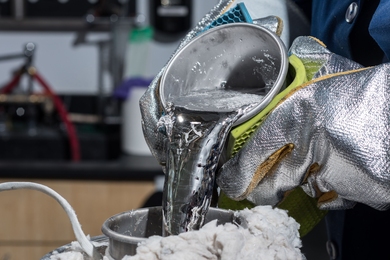
Faculty in the Department of Mechanical Engineering are developing technologies that store, capture, convert, and minimize greenhouse gas emissions.
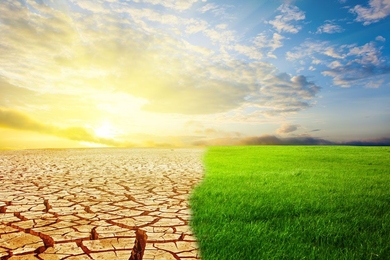
Study shows the Sahara swung between lush and desert conditions every 20,000 years, in sync with monsoon activity.

Independent Activities Period class explores the role coastal ecosystems play in protecting the environment and how climate change has affected them.
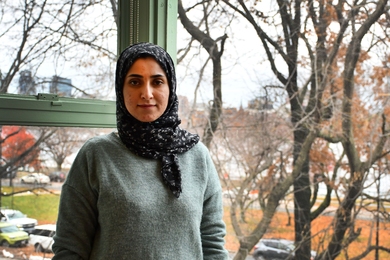
Visiting Assistant Professor Maryam Rashed Alshehhi models a region with freshwater shortages, oil spills, and frequent dust storms.
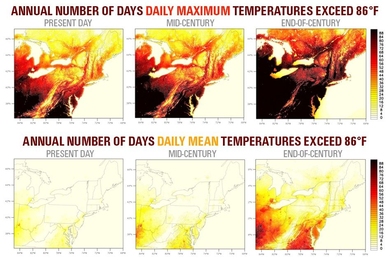
A new MIT-led study projects a dramatic increase in annual high-heat days in the U.S. Northeast by the century’s end.
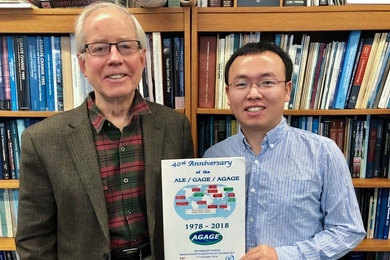
Study finds chloroform emissions, on the rise in East Asia, could delay ozone recovery by up to eight years.
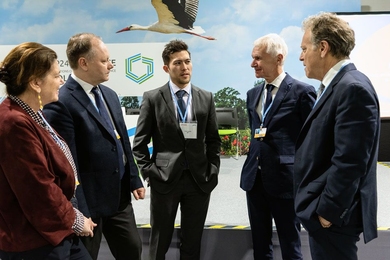
At UN Climate Change Conference, MIT researchers share knowledge and tools to help nations meet Paris Agreement targets.
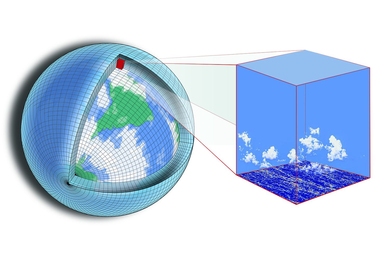
Scientists and engineers will collaborate in a new Climate Modeling Alliance to advance climate modeling and prediction.

Two new MIT reports advance practical emissions-reduction strategies for Southeast Asia and Latin America at both the regional and country level.
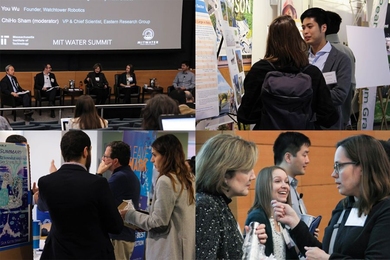
Experts gather at MIT to share insights, techniques, and strategies for building resilient urban water systems.
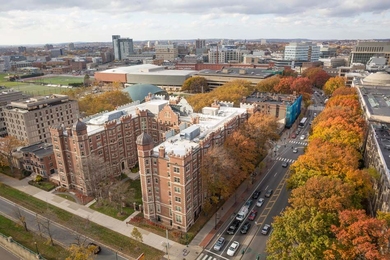
New generating plant, building retrofits, and progress in metering energy use represent ongoing gains.

Carl Wunsch continues to expand his foundational framework for understanding the behavior of worldwide oceans as a whole.
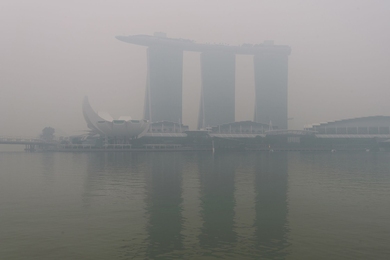
Radiocarbon measurements provide evidence that the origin of the haze over Sumatra's neighbors is peat, not deforestation and waste burning as many believed.
