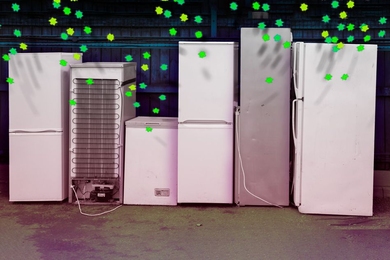
Emissions of several ozone-depleting chemicals are larger than expected
Recovering and safely destroying the sources of these chemicals could speed ozone recovery and reduce climate change.
Recovering and safely destroying the sources of these chemicals could speed ozone recovery and reduce climate change.

The average power of waves hitting a coastline can predict how fast that coast will erode.
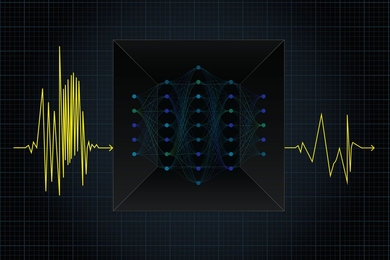
Technique may help scientists more accurately map vast underground geologic structures.
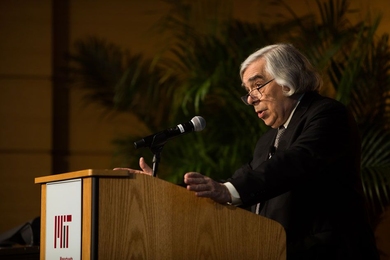
Speakers at MIT climate symposium outline the steps needed to achieve global carbon neutrality by midcentury.

Tech-based solutions sought for challenges in work environments, education for girls and women, maternal and newborn health, and sustainable food.

High-scoring 100&Change applications featured in Bold Solutions Network.
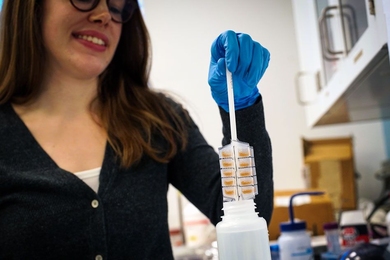
Whisk-shaped device absorbs trace contaminants, preserves them in dry state that can be shipped to labs for analysis.
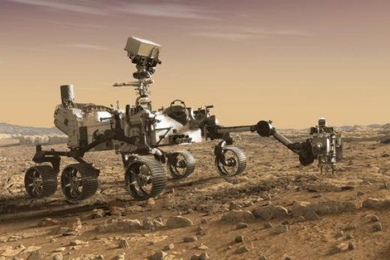
Researchers in the Department of Earth, Atmospheric and Planetary Sciences will help direct Mars 2020 rover sample acquisition.
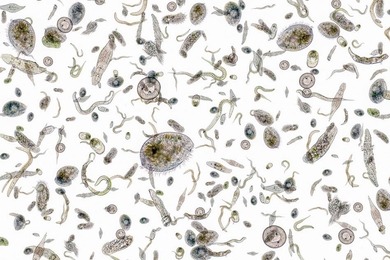
Study finds Earth’s oceans contain just the right amount of iron; adding more may not improve their ability to absorb carbon dioxide.
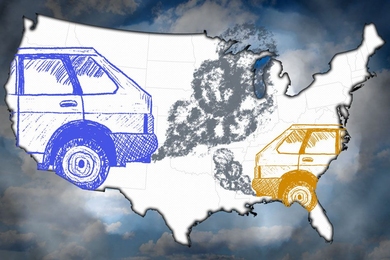
Study tracks pollution from state to state in the 48 contiguous United States.
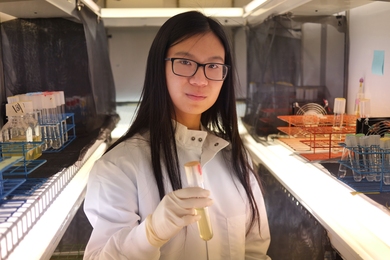
MIT sophomore Rachel Shen looks for microscopic solutions to big environmental challenges.
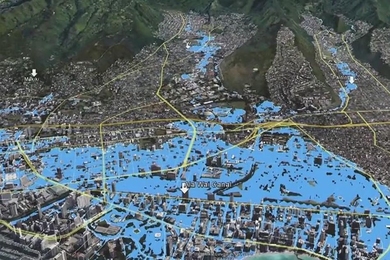
Workshop highlights how MIT research can guide adaptation at local, regional, and national scales.

Assistant Professor Sili Deng is on a quest to understand the chemistry involved in combustion and develop strategies to make it cleaner.
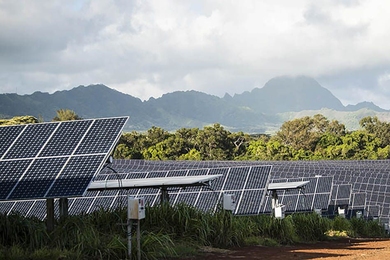
A new study looks at how the global energy mix could change over the next 20 years.
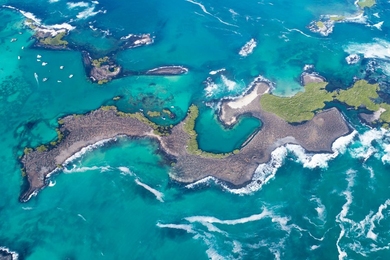
Plate tectonics and mantle plumes set the lifespan of volcanic islands like Hawaii and the Galapagos.