
Celebrating passionate teachers and enthusiastic learners
At this year's MacVicar Day symposium, faculty and students reflect on the challenges and joys of education in the 21st century.
Download RSS feed: News Articles / In the Media / Audio
At this year's MacVicar Day symposium, faculty and students reflect on the challenges and joys of education in the 21st century.
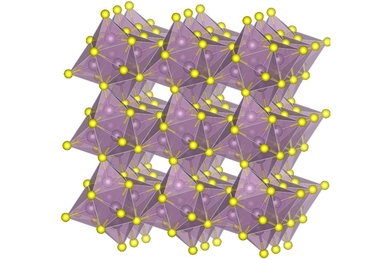
“Hybrid” cathodes could provide more power for a given weight and volume.
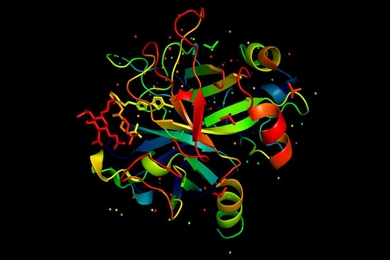
Technique could improve machine-learning tasks in protein design, drug testing, and other applications.

Sensor can monitor wiring in a building or ship, and signal when repairs are needed.

Algorithm designs optimized machine-learning models up to 200 times faster than traditional methods.
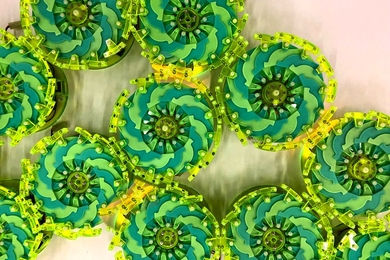
Loosely connected disc-shaped “particles” can push and pull one another, moving en masse to transport objects.
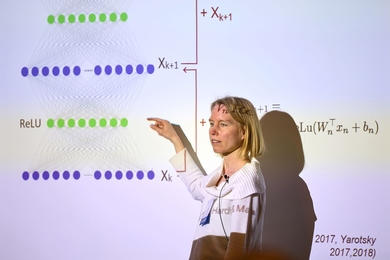
MIT Institute for Data, Systems, and Society co-hosted WiDS Cambridge, a daylong conference connecting data scientists across academia and industry.

Master’s student and Marshall Scholar Kyle Swanson uses computer science to help make drug development more efficient.
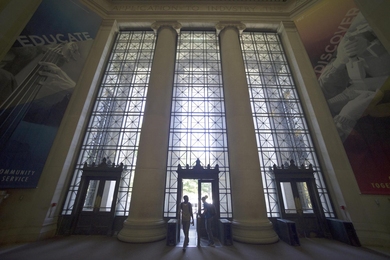
The MIT community is invited to comment on ways to increase sharing of research, data, software, and more.
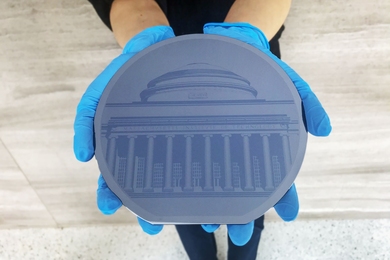
MIT.nano etches more than 270,000 names from the MIT community on a 6-inch wafer.

CSAIL researcher and web inventor recognized for his startup inrupt, which aims to give users more control over their data.
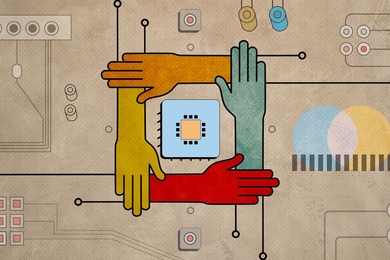
Faculty representing all five MIT schools offer views on the ethical and societal implications of new technologies.
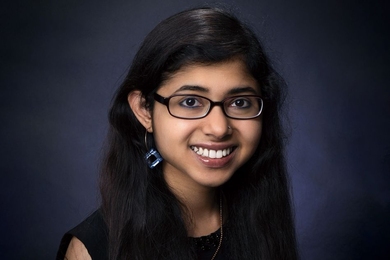
Senior majoring in computer science and molecular biology will pursue an MPhil at Cambridge University.
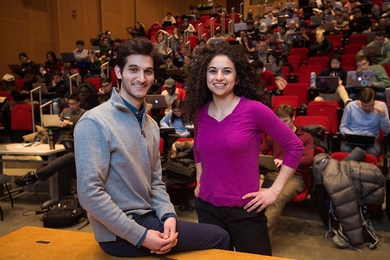
A popular student-coordinated class draws a capacity crowd from across the MIT campus and beyond.
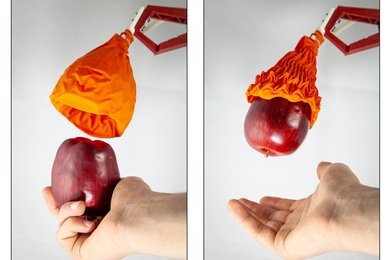
Gripper device inspired by “origami magic ball” can grasp wide array of delicate and heavy objects.