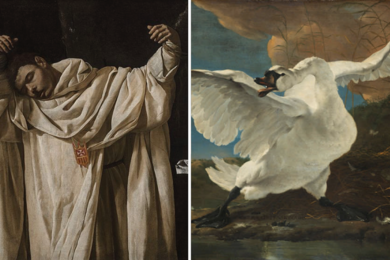
Algorithm finds hidden connections between paintings at the Met
A team from MIT helped create an image retrieval system to find the closest matches of paintings from different artists and cultures.
Download RSS feed: News Articles / In the Media / Audio
A team from MIT helped create an image retrieval system to find the closest matches of paintings from different artists and cultures.

Recent advances give theoretical insight into why deep learning networks are successful.
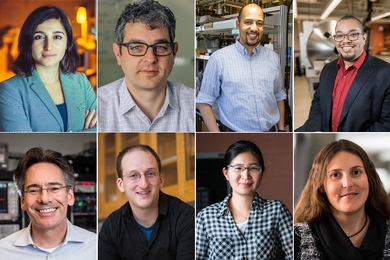
Eight faculty members have been granted tenure in five departments across the School of Engineering.
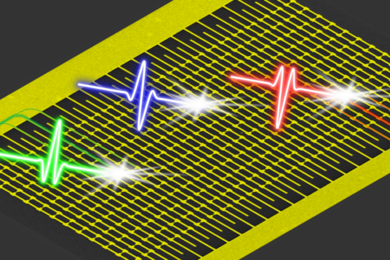
MIT researchers develop integrated lightwave electronic circuits to detect the phase of ultrafast optical fields.
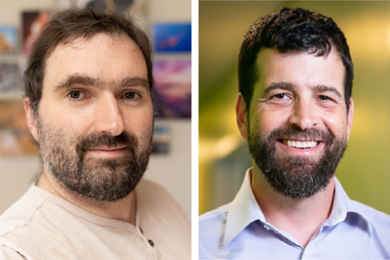
Honorees will receive additional support to pursue their research and develop their careers.
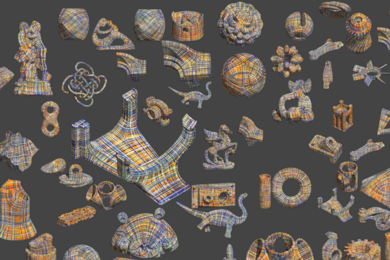
New work on 2D and 3D meshing aims to address challenges with some of today’s state-of-the-art methods.

Specialized nanoparticles create a “breath signal” that could be used to diagnose pneumonia and other infectious or genetic diseases.
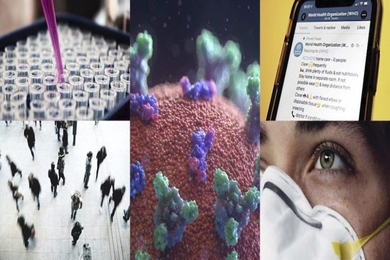
C3.ai Digital Transformation Institute awards $5.4 million to top researchers to steer how society responds to the pandemic.
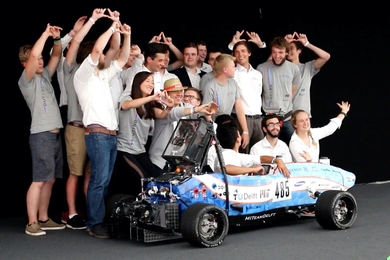
After a third-place finish at last year's Formula Student Germany, MIT Driverless team aims to compete in the $1.5 million Indy Autonomous Challenge.
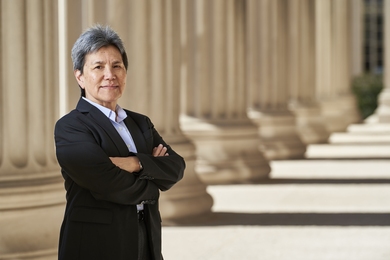
A life member of the MIT Corporation, Kabcenell recently began her one-year term as president of the MIT Alumni Association.
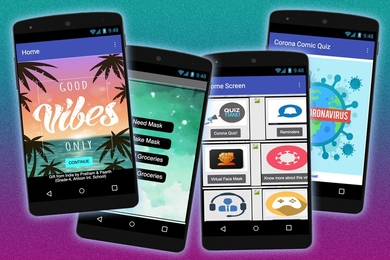
MIT App Inventor Challenge allows children to create apps that tackle the coronavirus pandemic.
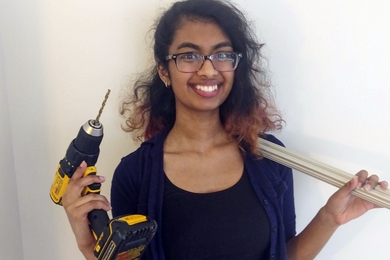
Hundreds of miles from campus, Sreya Vangara recalibrates her approach to laboratory research and other MIT commitments.
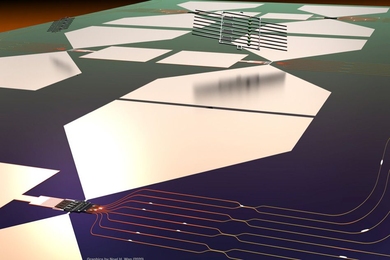
MIT engineers develop a hybrid process that connects photonics with “artificial atoms,” to produce the largest quantum chip of its type.

Annual MITEI awards support research on battery storage, smart grids, and carbon emissions reduction.
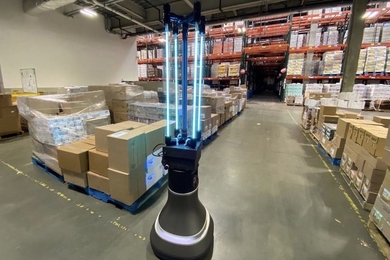
Using UV-C light, the system can disinfect a warehouse floor in half an hour — and could one day be employed in grocery stores, schools, and other spaces.