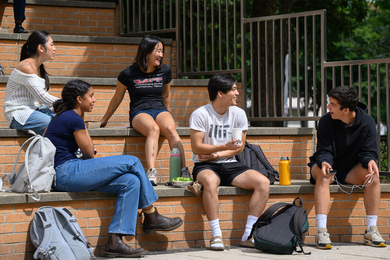
MIT named the nation’s top university by U.S. News for 2026-27
The Institute’s undergraduate engineering, computer science, and economics programs are No. 1; its business program is No. 2.
The Institute’s undergraduate engineering, computer science, and economics programs are No. 1; its business program is No. 2.
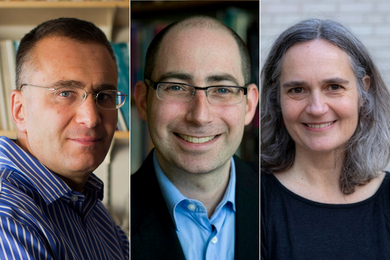
Established after World War II, the School of the Humanities, Arts, and Social Sciences is an integral part of the MIT experience. Three faculty reflect on the school’s ongoing impact.

Faculty members granted tenure in Comparative Media Studies/Writing, Economics, Political Science, and Theater.
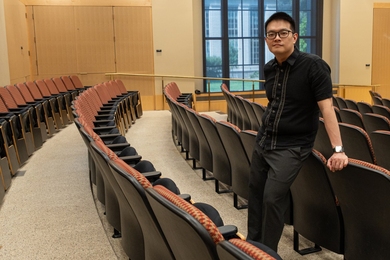
Graduate student Lyonel Tanganco investigates how to improve public policy interventions and address challenges in nutrition, climate, and development.
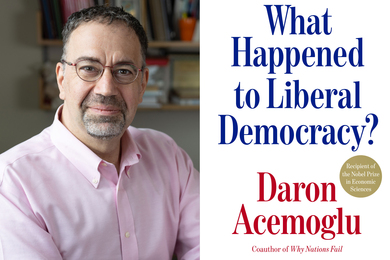
Deindustrialization didn’t only hurt some workers, Daron Acemoglu says in a new book; it shrank the coalition supporting democracy, which needs expanding.
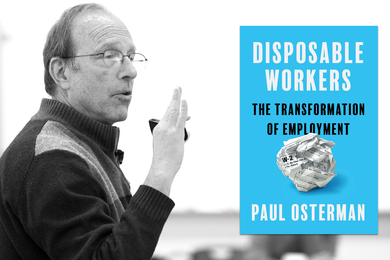
In a new book, Paul Osterman details his research finding more than one-third of the country’s workers are “disposable,” with little security or chance of job advancement.

Their new study aims to give budding industry a framework for understanding how fusion can be profitable.
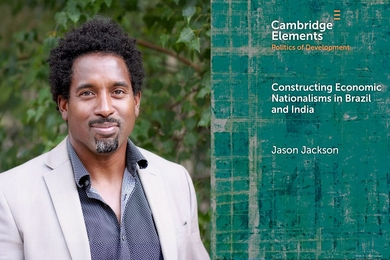
DUSP Associate Professor Jason Jackson’s latest book compares how two countries chose radically different paths to economic independence.
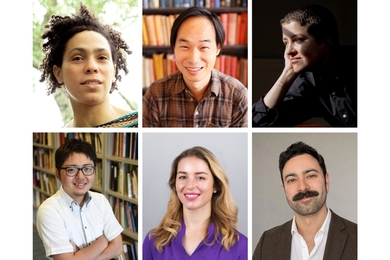
New professors join the Comparative Media Studies/Writing, Economics, Linguistics, and Music and Theater Arts departments.
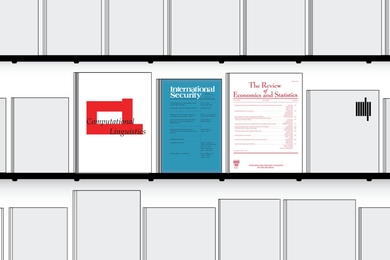
Computational Linguistics, International Security, and The Review of Economics and Statistics lead their disciplines with 2026 Clarivate impact factors.
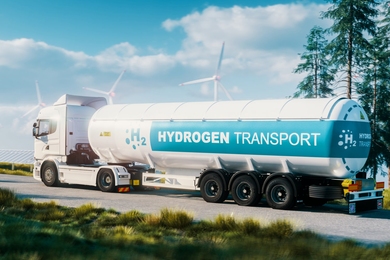
A team led by MIT Energy Initiative researchers developed the HyCAT tool, enabling decision-makers to explore the cost and carbon emissions of their options for shipping hydrogen fuel to their site.
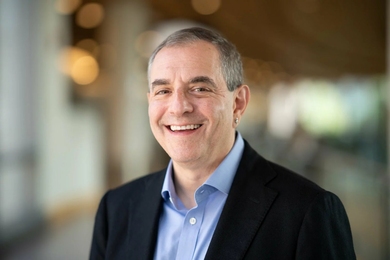
A faculty member since 1999, Autor is a leading researcher in artificial intelligence and the work of the future.
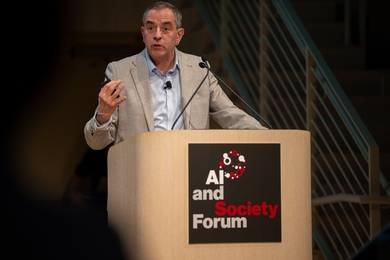
During the AI and Society Forum, leading MIT researchers examined critical questions about AI’s influence on employment and democracy.
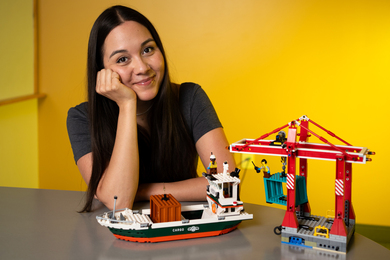
PhD student Chelsea Mitchell studies the economic forces that shape shipping ports and their ability to support global supply chains.
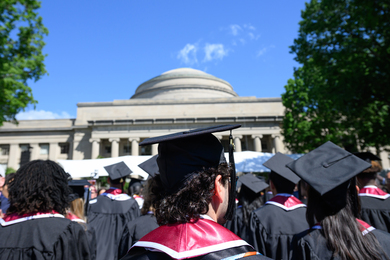
Ranking at the top for the 15th year in a row, the Institute also places first in 12 subject areas.