
QS World University Rankings rates MIT No. 1 in 12 subjects for 2026
The Institute also ranks second in seven subject areas.
The Institute also ranks second in seven subject areas.
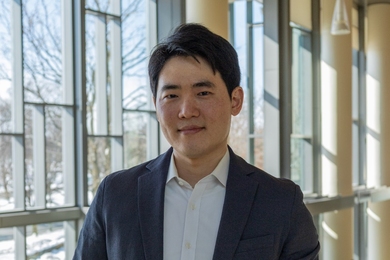
Sojun Park, a postdoc at the Center for International Studies, has learned much from his research on intellectual property as well as his interactions with students and mentors at MIT.

Project AI Evidence will connect governments, tech companies, and nonprofits with world-class economists at MIT and across J-PAL's global network to evaluate and improve AI solutions.

Top worldwide honors span disciplines across three MIT schools for the second year in a row.
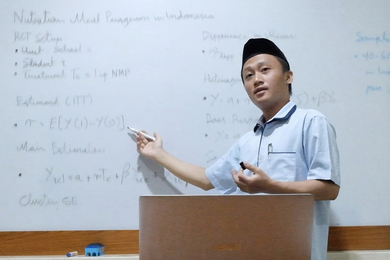
Munip Utama applies knowledge from the MITx MicroMasters Program in Data, Economics, and Design of Policy to his efforts supporting students in Indonesia.
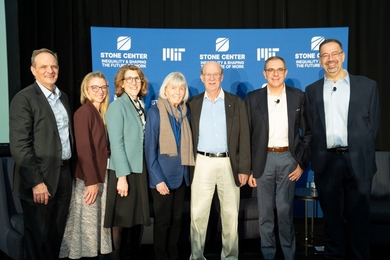
Recent launch event for the center featured discussions on pro-worker AI, wealth inequality, and the future of liberal democracy.
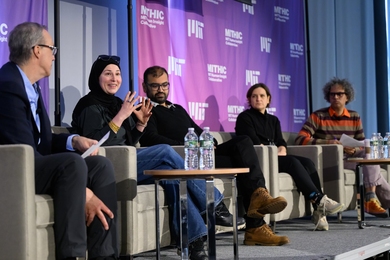
The inaugural MIT Human Insight Collaborative (MITHIC) Annual Event showcased the breadth of projects supported in the first year of the presidential initiative.

Postdoc Zongyi Li, Associate Professor Tess Smidt, and seven additional alumni will be supported in the development of AI against difficult problems.

World Bank data show how the organization of programs influences political conflict — indicating a path to better aid delivery.
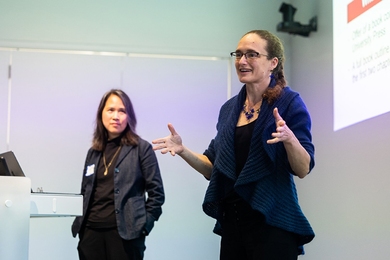
A presidential initiative, the MIT Human Insight Collaborative is supporting new interdisciplinary initiatives and projects across the Institute.

The findings point to state policies involving the presence of “pill mills” as influences on addiction over time.

Economics doctoral student Whitney Zhang investigates how technologies and organizational decisions shape labor markets.

Undergraduate engineering, computer science, and business programs are all No. 1.

J-PAL North America’s inaugural Climate Action Learning Lab provided six U.S. cities and states with customized training and resources to leverage data and evaluation to advance climate solutions that work.

Angie Jo’s doctoral studies find that when a collective crisis strikes, nations with shallow social safety nets, like the US, respond with massive spending.