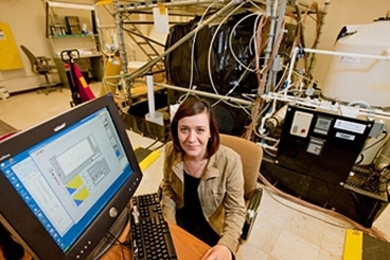
Four from MIT are Stewardship Science Graduate fellows
Graduate students take practicum at Lawrence Livermore National Laboratory.
Graduate students take practicum at Lawrence Livermore National Laboratory.

Geologists aim to improve the accuracy of their process for dating ancient rocks.
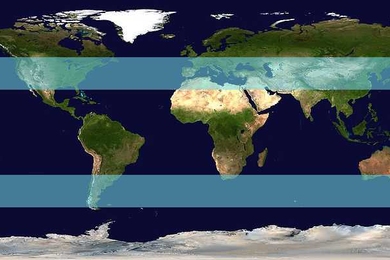
Hemispheres will respond to climate change differently, with weaker summer storms in the North, study suggests.
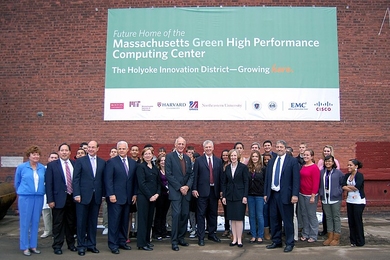
President Hockfield joins Gov. Patrick and others at groundbreaking ceremony.
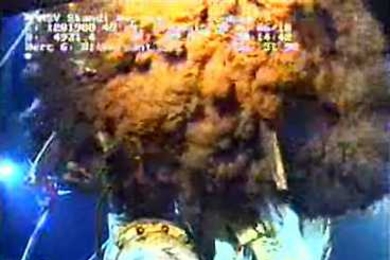
Lessons learned from the BP oil spill could help both companies and regulators to be more ready for the next emergency.
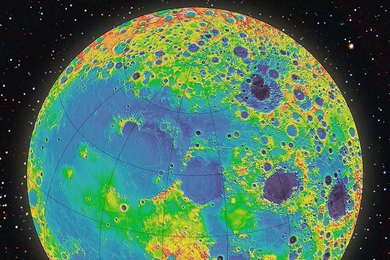
New map of lunar craters sheds light on early solar-system activity and points to oldest parts of the moon’s surface.
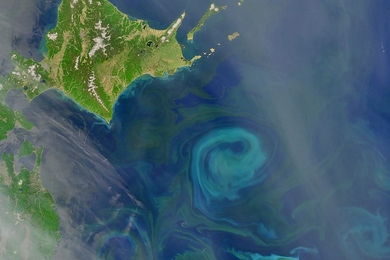
Research suggests ocean color is linked to formation, movement of tropical cyclones

Among 150 students nationwide awarded fellowships in program's first year
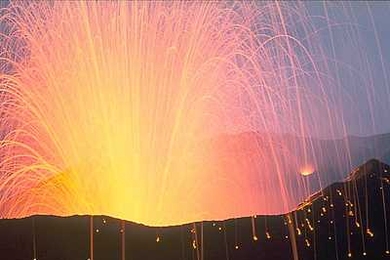
A generally accepted theory explaining the frequent eruptions at Italy’s Stromboli volcano is called into question by new research.
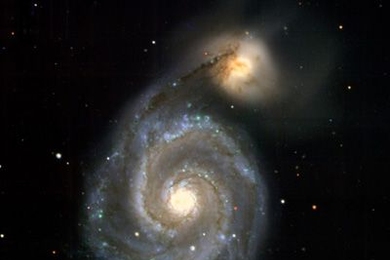
Pan-STARRS, a telescope designed to reveal the ‘unexpected surprises’ in our solar system, including possible threats to Earth, just became fully operational.

Research shows that aerosols not only cool, but also heat the planet — a finding that may cloud the validity of climate-change models.
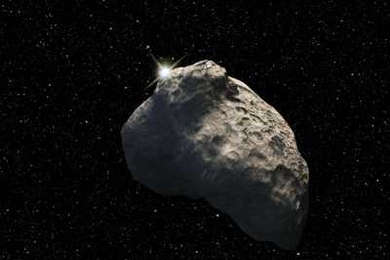
MIT astronomer leads the first team to study a Kuiper Belt object during a stellar occultation.

As U.N. negotiations begin this week on a global mercury treaty, an MIT atmospheric scientist explains the challenges ahead.
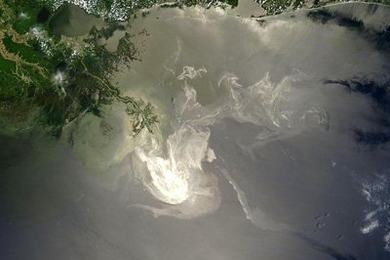
An MIT oceanographer discusses why ‘we have never had a spill like this’ — and what that means for cleanup efforts.
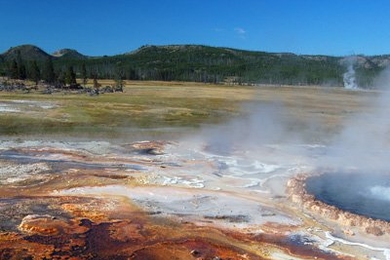
By linking the odd geometry of bacterial growths to photosynthesis, researchers may have a new way to study Earth’s oldest fossils.