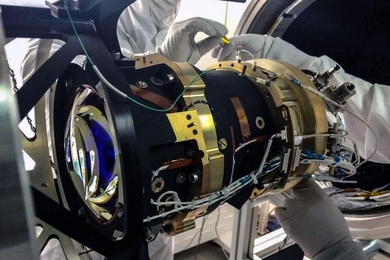
TESS mission to discover new planets moves toward launch
Satellite’s cameras have been delivered by MIT researchers and passed NASA inspection.
Satellite’s cameras have been delivered by MIT researchers and passed NASA inspection.
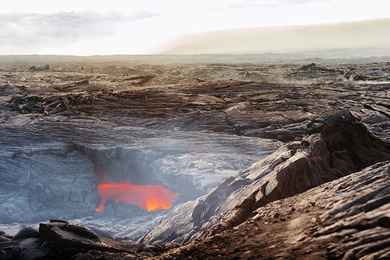
Study ties specific interval during an extended period of volcanism to Earth’s most severe mass extinction.
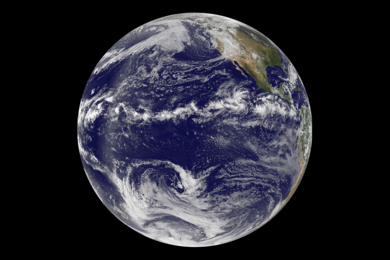
Study finds ocean circulation, coupled with trade wind changes, efficiently limits shifting of tropical rainfall patterns.
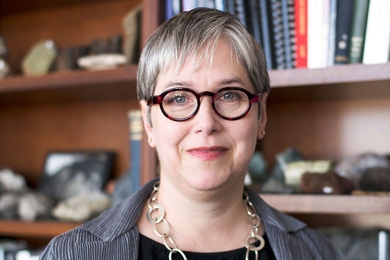
Alumna and former MIT professor Lindy Elkins-Tanton is working with MIT faculty in her role as principal investigator for NASA's upcoming Psyche mission.

A 50-year dry spell has reversed, with more rain to come.
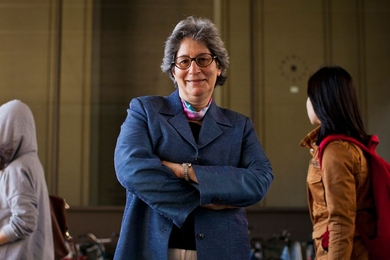
Professor of atmospheric chemistry honored for her contributions to atmospheric science.
By 2050, the Southwest will produce significantly less cotton and forage, researchers report.
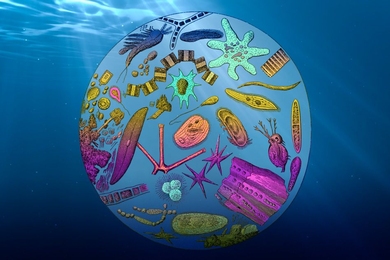
Study finds large amounts of carbon dioxide, equivalent to yearly U.K. emissions, remain in surface waters.
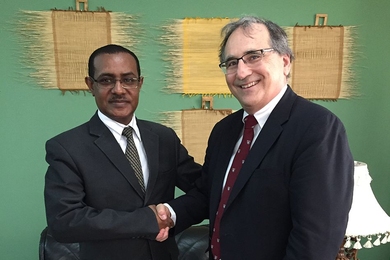
Kenneth Strzepek applies models to help decision makers advance food security and sustainable development in a climate-compromised continent.
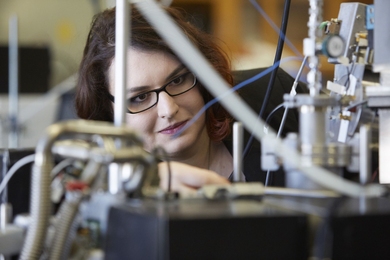
A technique developed in the Cziczo Lab may be the most accurate way of identifying biological aerosols from mineral dust in the atmosphere and analyzing their contribution to cloud formation and climate change.
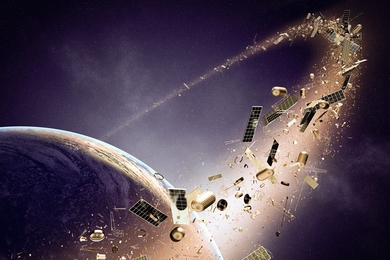
New laser technique identifies the makeup of space debris, from painted shards to Teflon.

Amanda Giang PhD '17 models a pollutant’s pathways and helps decision makers craft more effective mitigation policies.
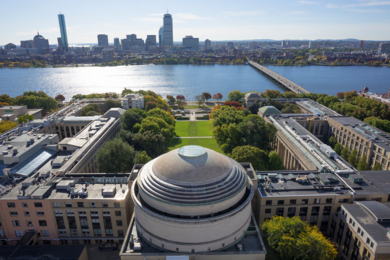
Ranked at the top for the sixth straight year, the Institute also places first in 12 of 46 disciplines.
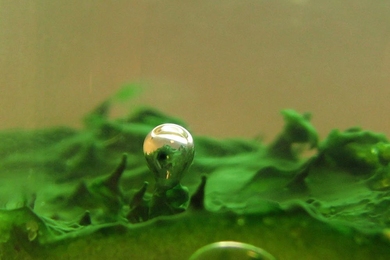
Researchers in Greg Fournier’s geobiology lab are seeking to calibrate the ancient history of life on Earth using genomic analysis.
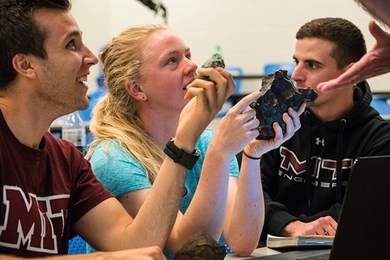
Space Systems Engineering students design a close-range mission to a giant asteroid that will fly by Earth in 2029.