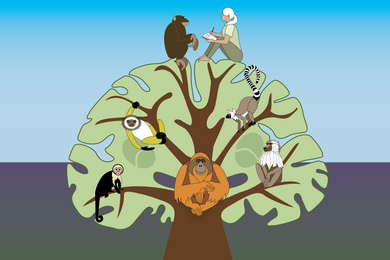
Focus on function helps identify the changes that made us human
A new approach for identifying significant differences in gene use between closely-related species provides insights into human evolution.
A new approach for identifying significant differences in gene use between closely-related species provides insights into human evolution.
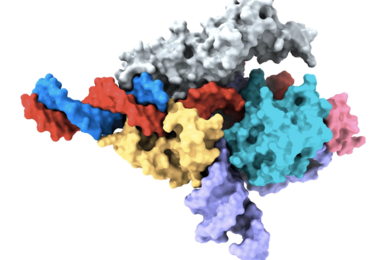
The first RNA-guided DNA-cutting enzyme found in eukaryotes, Fanzor could one day be harnessed to edit DNA more precisely than CRISPR/Cas systems.
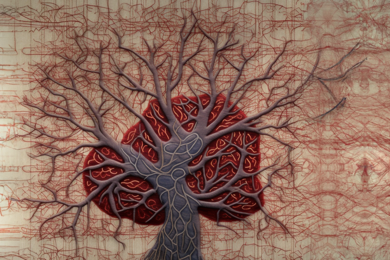
MIT researchers characterize gene expression patterns for 22,500 brain vascular cells across 428 donors, revealing insights for Alzheimer’s onset and potential treatments.

With the new method, scientists can explore many cancer mutations whose roles are unknown, helping them develop new drugs that target those mutations.
MIT engineers’ new technique analyzes the 3D organization of the genome at a resolution 100 times higher than before.
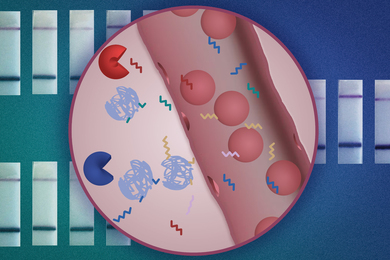
The new diagnostic, which is based on analysis of urine samples, could also be designed to reveal whether a tumor has metastasized.
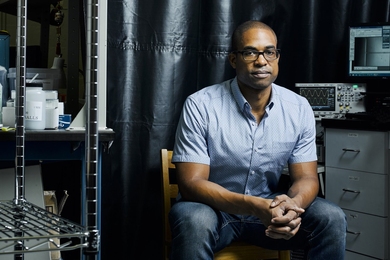
The associate professor of MechE reflects on how his company, Kytopen, has grown and shifted focus in developing safer immunotherapies.
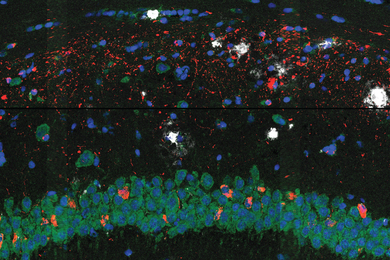
Study reveals key cell structures and gene expression changes near amyloid plaques and tau tangles in mouse brain tissue.
“Single-cell profiling” is helping neuroscientists see how disease affects major brain cell types and identify common, potentially targetable pathways.
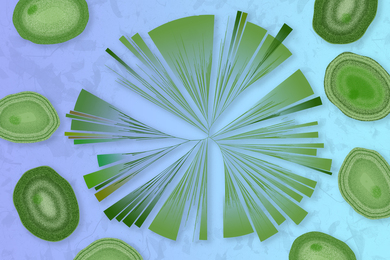
Prochlorococcus, the world’s most abundant photosynthetic organism, reveals a gene-transfer mechanism that may be key to its abundance and diversity.
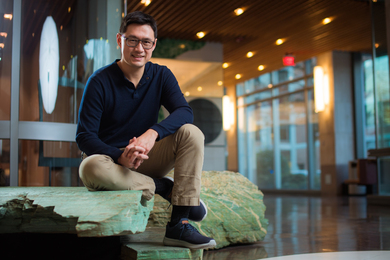
Gene-Wei Li investigates the rules that cells use to maintain the correct ratio of the proteins they need to survive.
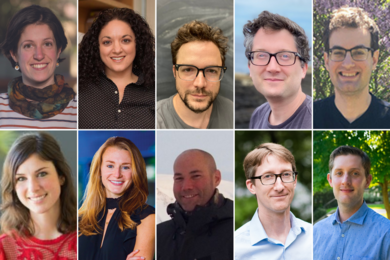
Those selected for these positions receive additional support to pursue their research and develop their careers.
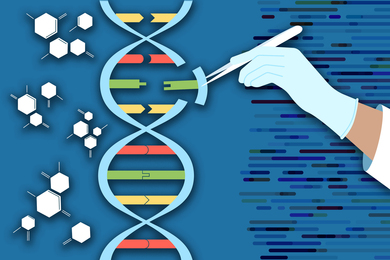
Known as PASTE, the technique holds potential for treating a variety of diseases caused by faulty genes.
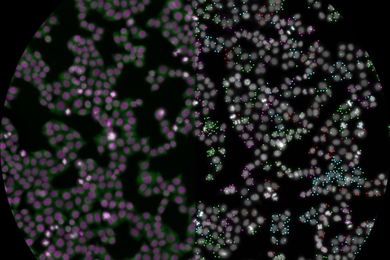
Researchers harness new pooled, image-based screening method to probe the functions of over 5,000 essential genes in human cells.
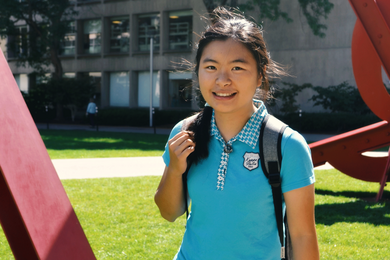
With NEET, Sherry Nyeo is discovering MIT’s undergraduate research community at the intersection of computer science and biological engineering.