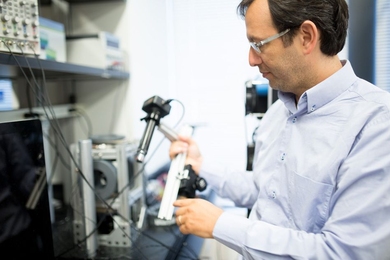
Seeing nature through a molecular engineer’s eye
Alfredo Alexander-Katz probes systems in action, from clotting blood to walking molecules.
Alfredo Alexander-Katz probes systems in action, from clotting blood to walking molecules.
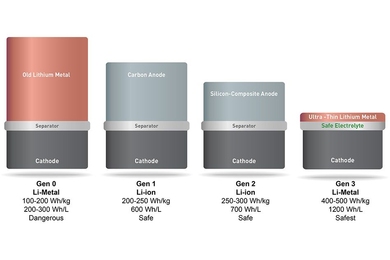
New lithium metal batteries could make smartphones, drones, and electric cars last twice as long.
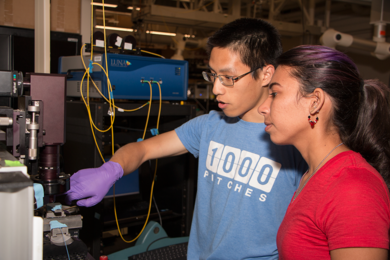
Summer Scholar Ashley Del Valle Morales probes new a silicon carbide system in the MIT Microphotonics Center.
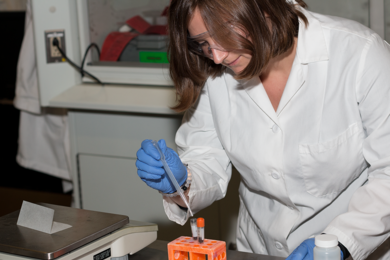
Summer Scholar Erica Eggleton joins Van Vliet Lab to make and test lithium manganese oxide electrodes.
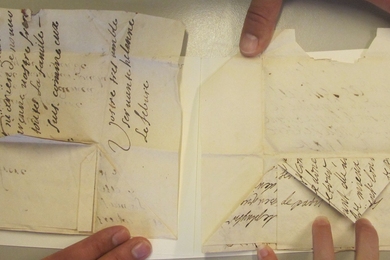
New grants help MIT Libraries, DMSE, and CSAIL push the boundaries of examining artifacts.

Method uses readily available tools to quickly determine materials’ properties.
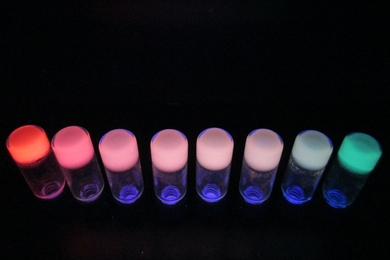
Color-changing materials could be used to detect structural failure in energy-related equipment.

Computer model finds slits in the spleen impose a “physical fitness test” on red blood cells.
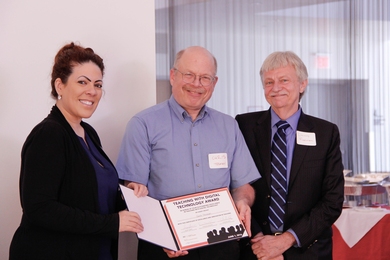
Awards honor faculty and instructors who have effectively leveraged digital technology to improve teaching and learning at MIT.
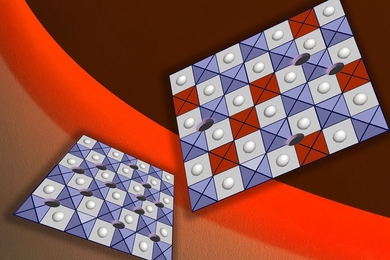
Surface treatment greatly reduces degradation of catalyst material.
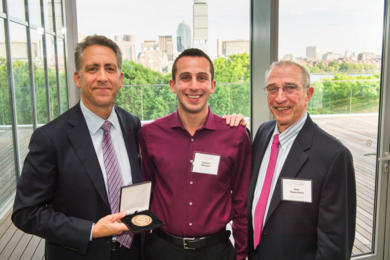
Awards were given to outstanding faculty, undergraduates, and graduate students.
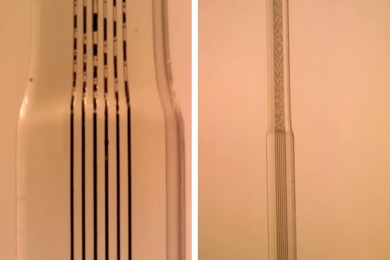
Stretching process can produce nanoscale rods or strips made of many material combinations.

Honor recognizes individuals who have demonstrated ability and special aptitude for advanced training in science and engineering.
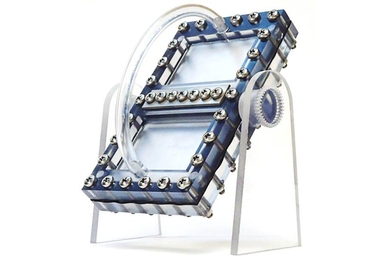
Pump-free design for flow battery could offer advantages in cost and simplicity.
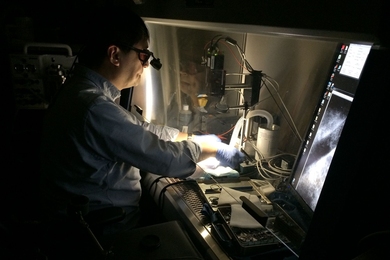
Mechanism developed at MIT and Massachusetts General Hospital shows promising results for improved ovarian cancer detection and removal.