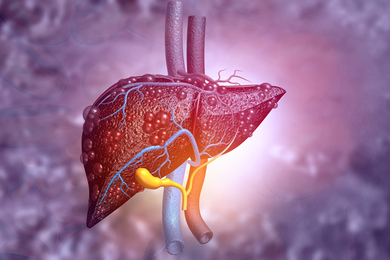
Sensor can detect scarred or fatty liver tissue
Diagnosing liver damage earlier could help to prevent liver failure in many patients.
Diagnosing liver damage earlier could help to prevent liver failure in many patients.
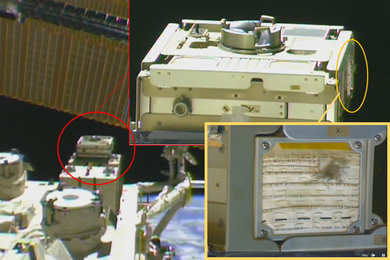
Fabric samples are headed to the International Space Station for resiliency testing; possible applications include cosmic dust detectors or spacesuit smart skins.

Choucri, Drennan, Fisher, Gershenfeld, Li, and Rus are recognized for their efforts to advance science.
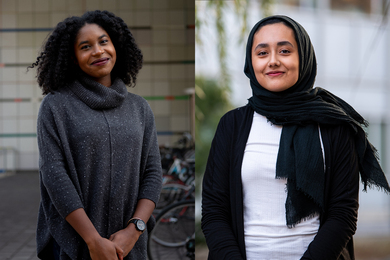
Danielle Grey-Stewart and Ghadah Alshalan will begin postgraduate studies at Oxford University next fall.
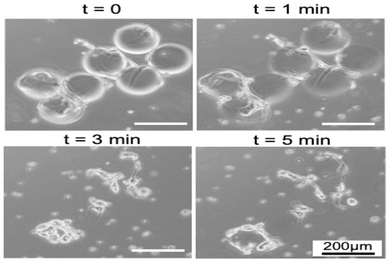
Gelatin-based microcarriers offer higher yield and scalability compared to existing commercial microcarriers.
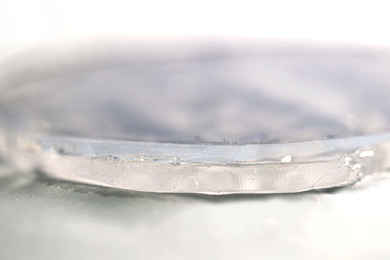
Inspired by camel fur, a new two-layered material could provide extended cooling to preserve the freshness of perishable goods.

Davis, in conversation with Senior Associate Dean Blanche Staton, fields questions from the MIT community about the current moment of racial reckoning.

An online symposium explores roles for research universities and outlines the Institute’s efforts to be a testbed for research and policy innovations.
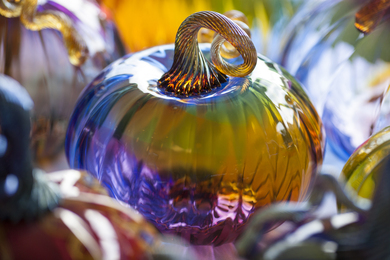
With shimmering colors and twisting vines, the annual glass pumpkin patch moves online to adapt to the pandemic.

Normally an insulator, diamond becomes a metallic conductor when subjected to large strain in a new theoretical model.

Funding will support workshops to advance research, development, and translation in emerging areas of socioresilient and sustainable infrastructure, and in ocean environments.
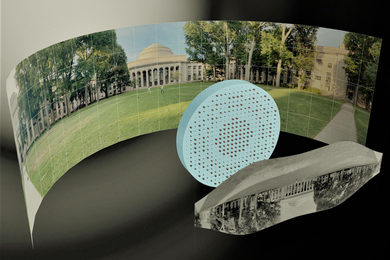
The single piece of glass produces crisp panoramic images.

Topics include Covid-19 and urban mobility, strategies for electric vehicle charging networks, and infrastructure and economics for hydrogen-fueled transportation.
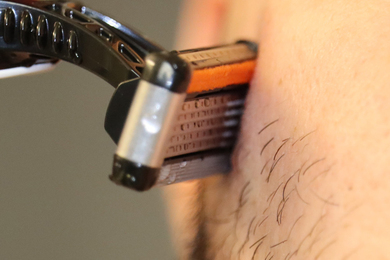
Human hair is 50 times softer than steel, yet it can chip away a razor’s edge, a new study shows.
Faculty members recognized for excellence via a diverse array of honors, grants, and prizes over the past two quarters.