MIT researchers develop AI tool to improve flu vaccine strain selection
VaxSeer uses machine learning to predict virus evolution and antigenicity, aiming to make vaccine selection more accurate and less reliant on guesswork.
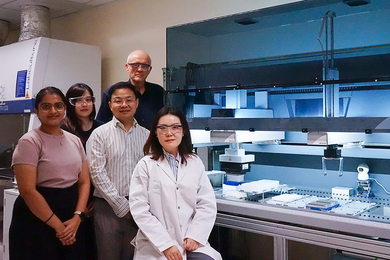
Researchers developed an approach to study where proteins get made, and characterized proteins produced near mitochondria, gaining potential insights into mitochondrial function and disease.
The team used two different AI approaches to design novel antibiotics, including one that showed promise against MRSA.
Researchers developed a tool to recreate cells’ family trees. Comparing cells’ lineages and locations within a tumor provided insights into factors shaping tumor growth.
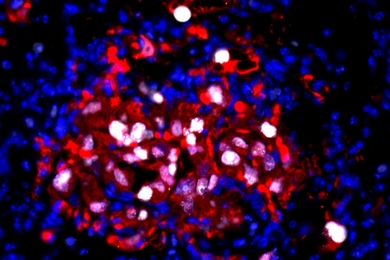
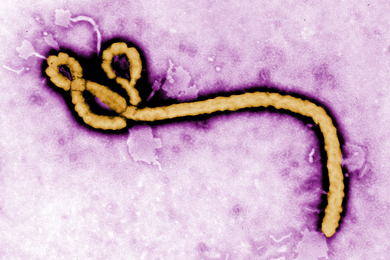
Combining powerful imaging, perturbational screening, and machine learning, researchers uncover new human host factors that alter Ebola’s ability to infect.
The Fairbairn Menstruation Science Fund will allow researchers to accelerate the understanding and treatment of often-neglected diseases that tend to be more common in women.
A new approach for testing multiple treatment combinations at once could help scientists develop drugs for cancer or genetic disorders.
The new implant carries a reservoir of glucagon that can be stored under the skin and deployed during an emergency — with no injections needed.
Electrodes coated with DNA could enable inexpensive tests with a long shelf-life, which could detect many diseases and be deployed in the doctor’s office or at home.
The approach collects multiple types of imaging and sequencing data from the same cells, leading to new insights into mouse liver biology.
Watery fluid between cells plays a major role, offering new insights into how organs and tissues adapt to aging, diabetes, cancer, and more.
Protein sensor developed by alumna-founded Advanced Silicon Group can be used for research and quality control in biomanufacturing.
A new book by Thomas Levenson examines how germ theory arose, launched modern medicine, and helped us limit fatal infectious diseases.
2.797/2.798 (Molecular Cellular and Tissue Biomechanics) explores the intersection of mechanics and biology.
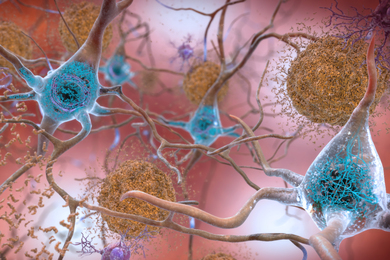
Pathways involved in DNA repair and other cellular functions could contribute to the development of Alzheimer’s.