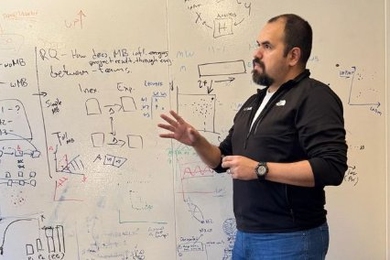
The ripple effect of learning at MIT
MIT Professional Education helped Ignacio Vazquez SM ’22 bridge technical mastery and strategic insight, leading to his role as MIT System Design and Management industry and certificate director.
MIT Professional Education helped Ignacio Vazquez SM ’22 bridge technical mastery and strategic insight, leading to his role as MIT System Design and Management industry and certificate director.
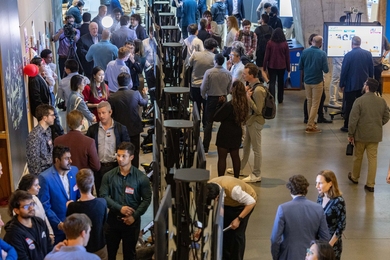
In its first year, INM has worked across research, workforce development, and industry engagement to help accelerate new manufacturing technologies and their real-world deployment.
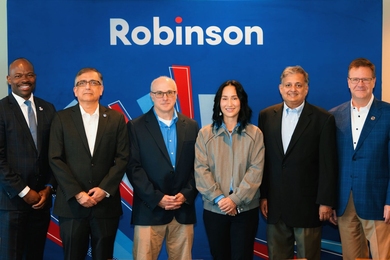
MIT RAISE and Georgia State University announce an initiative to connect universities, community colleges, industry, and government to expand industry-aligned AI training and career pathways.

IAIFI enters its second phase with increased funding, broader ambitions, and a growing community at the frontier of AI and fundamental physics.
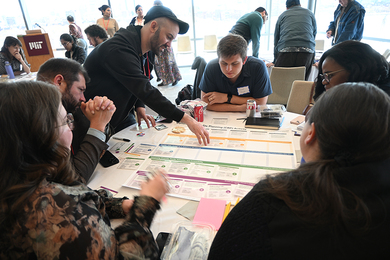
Living Climate Futures Symposium explores climate challenges and solutions at the community level.
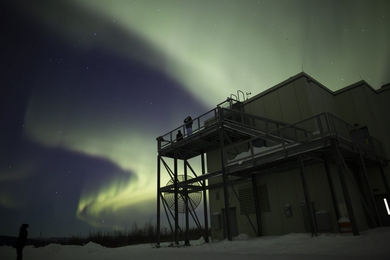
Student-led expeditions use distributed instruments to observe auroral structures and probe space plasma in real-world conditions.
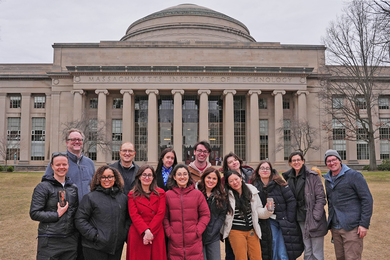
Students developed and pitched local climate stories, then worked with visual journalists from the AP over an intensive four-day weekend.
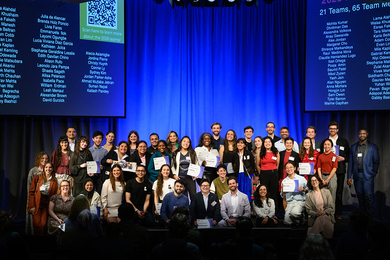
At the 25th IDEAS Social Innovation Incubator Showcase and Awards, 21 student-led ventures joined 1,200 alumni-led ventures tackling the world’s most pressing problems through social entrepreneurship.
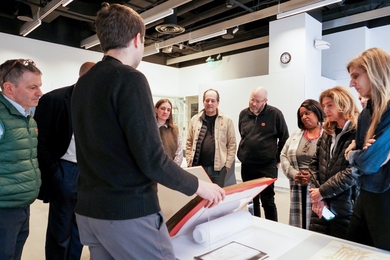
A day of conversations and archival access at the MIT Museum reflects an ongoing exchange rooted in the work and ideas of the Institute’s first Black graduate.
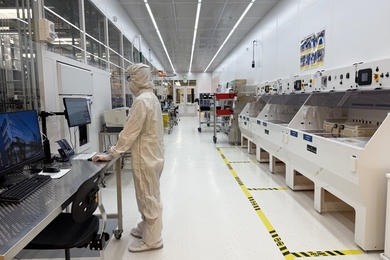
NanoFab Equipment Management and Operations (NEMO) system streamlines shared facilities management via tool trainings, reservations, and lab communications.
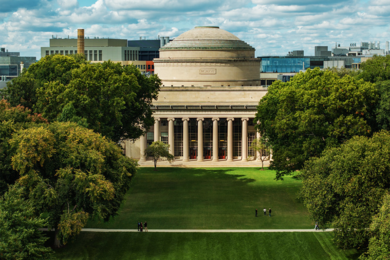
Building on a long-standing MIT–IBM collaboration, the new lab will chart the convergence of AI, algorithms, and quantum computing.
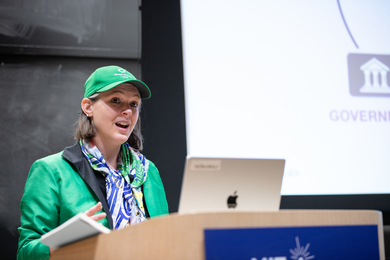
Greentown Labs CEO Georgina Campbell Flatter emphasizes the importance of collaboration in the entrepreneurship space, and the role that universities play in this landscape.
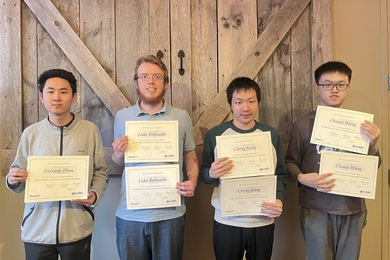
The undergraduate team topped the scoreboard for the sixth year in a row and also took the Elizabeth Lowell Putnam Prize again.
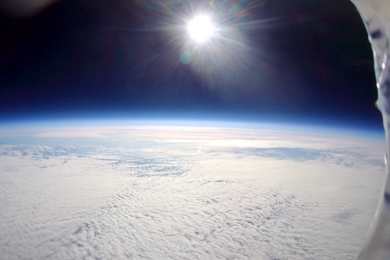
MIT students see the Earth's curvature in reborn AeroAstro intro course.
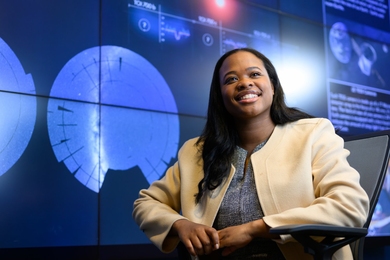
PhD student Carissma McGee studies exoplanets and examines intellectual property frameworks for space collaborations.