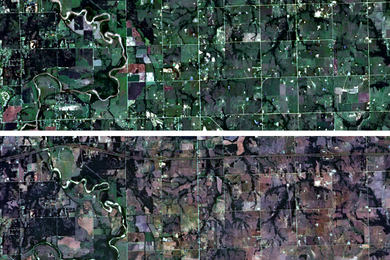
Detailed images from space offer clearer picture of drought effects on plants
J-WAFS researchers are using remote sensing observations to build high-resolution systems to monitor drought.
J-WAFS researchers are using remote sensing observations to build high-resolution systems to monitor drought.
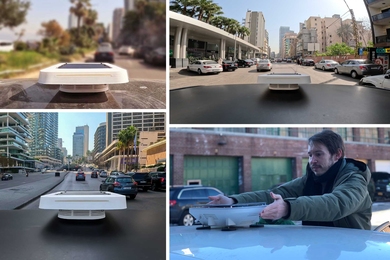
Open-source tool from MIT’s Senseable City Lab lets people check air quality, cheaply.

The Institute commits to net-zero emissions by 2026, charts course marshaling all of MIT’s capabilities toward decarbonization.
The student pitch competition addressed a variety of problems expected to worsen with climate change.

The company’s software, based on work by co-founder and Professor Ed Crawley, expedites the process of home energy accreditation.
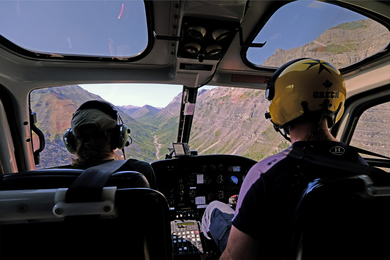
Study finds Earth’s frozen surfaces became less susceptible to thawing, potentially locking in more carbon than expected.
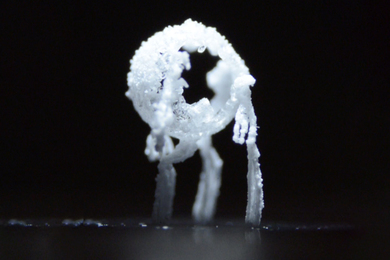
Crystallizing salts can grow “legs,” then tip over and fall away, potentially helping to prevent fouling of metal surfaces, researchers find.
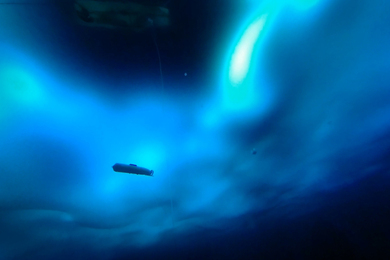
A team of MIT engineers has developed a navigational method for autonomous vehicles to navigate accurately in the Arctic Ocean without GPS.
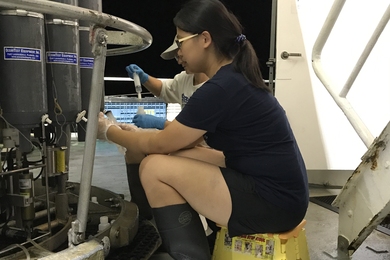
Findings show how the trace metal is chemically altered in the anoxic, modern ocean and provide the basis for investigating paleorecords of atmosphere composition shifts.
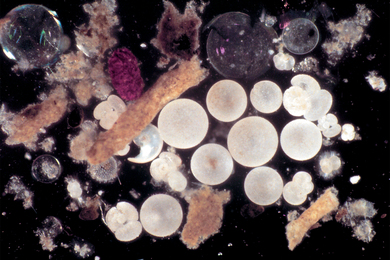
Climate projections could be off by five years, researchers find.

As atmospheric concentrations of CFC-11 drop, the global ocean should become a source of the chemical by the middle of next century.
CIS research affiliate describes his goals in creating a webinar series exploring sustainable development in Africa.
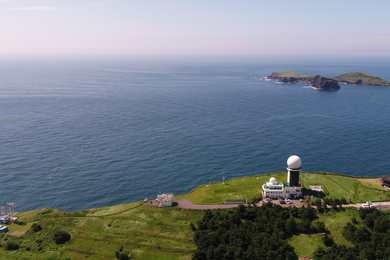
Scientists observe reduction in emissions of banned ozone-depleting chemical after unexpected spike.
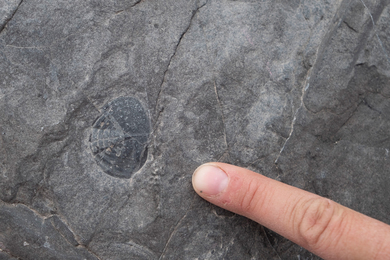
The record shows ancient temperature variations coinciding with shifts in the planet’s biodiversity.

Former US energy secretary discusses opportunities and challenges with MITEI Director Robert Armstrong.