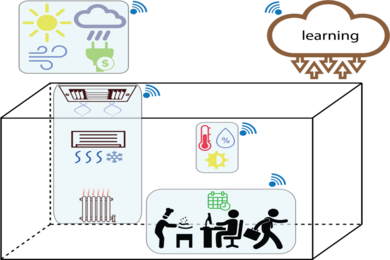
Making smart thermostats more efficient
A smart thermostat quickly learns to optimize building microclimates for both energy consumption and user preference.
A smart thermostat quickly learns to optimize building microclimates for both energy consumption and user preference.

Hundreds of students, researchers, and industry experts from around the world gathered virtually in November for a cross-disciplinary exploration of water resilience.
MIT serves as a laboratory for a multifaceted approach to address the Institute’s own contributions to climate change.

MIT anthropologist Amy Moran-Thomas reflects on the deep connection between planetary and human well-being.
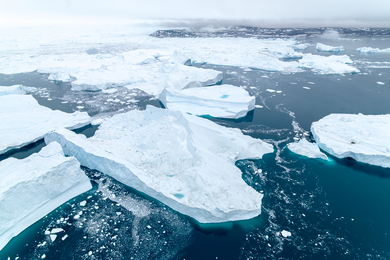
New study suggests waters will become more turbulent as Arctic loses summertime ice.
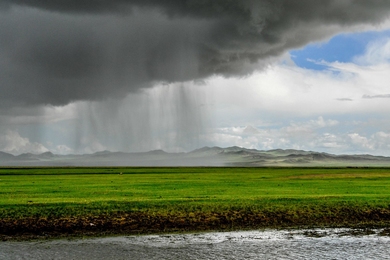
Recent virtual lecture explores how paleoclimatology provides important context for examining the activities of past human societies.
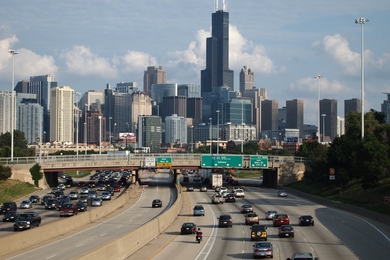
MIT postdoc explains how reflective pavements can significantly — and often indirectly — mitigate climate change and extreme heat.
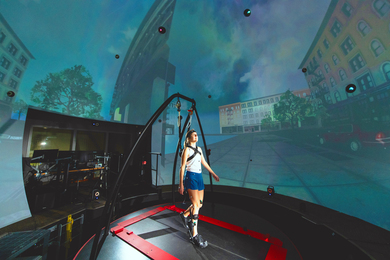
Will focus on responding to disasters and humanitarian crises, defending against biothreats, addressing climate change, and improving human health and performance.

In a new realm of materials, PhD student Thanh Nguyen uses neutrons to hunt for exotic properties that could power real-world applications.

Policymakers are hopeful that a Biden administration will encourage congressional action.
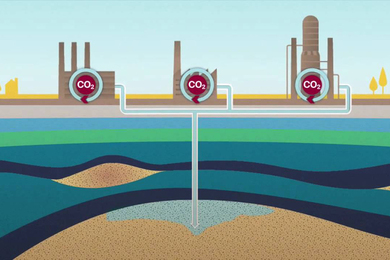
Carbon capture and storage are key to achieving climate goals.
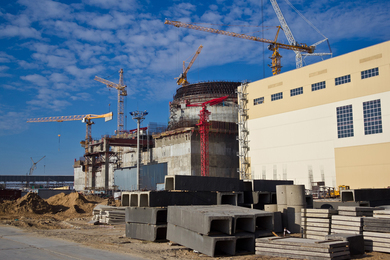
Analysis points to ways engineering strategies could be reimagined to minimize delays and other unanticipated expenses.

New online tool lets students track key metrics on employers’ carbon footprints and encourages more engagement on sustainability issues.

High-resolution climate projections could enable a robust adaptation and resilience response.
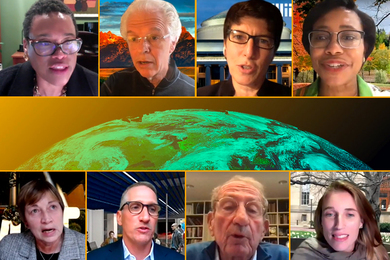
An online symposium explores roles for research universities and outlines the Institute’s efforts to be a testbed for research and policy innovations.