MIT Transit Lab to develop an AI platform for public transit agencies
With $2.1 million funding from Google.org, the open-source Public Transit Intelligence Hub will unify public transit monitoring, operations, and passenger communication.
With $2.1 million funding from Google.org, the open-source Public Transit Intelligence Hub will unify public transit monitoring, operations, and passenger communication.

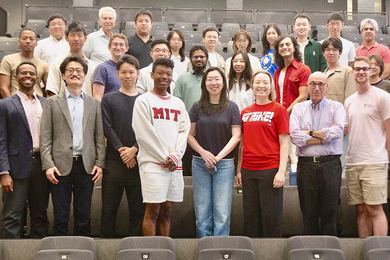
The PKG Center for Social Impact expands Code.Tulsa experiential learning program.
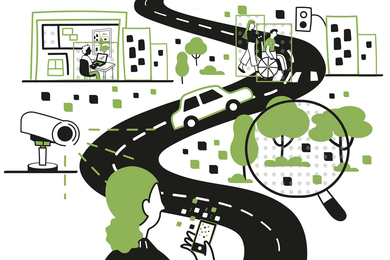
In their new book, “How AI Sees the City,” the leaders of MIT’s Senseable City Lab examine the technology’s implications for researching urban life.
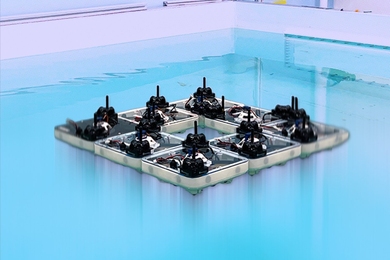
MIT researchers developed FloatForm, a swarm of small aquatic robots that snap together like ants forming a raft, assembling into reconfigurable structures on the water.
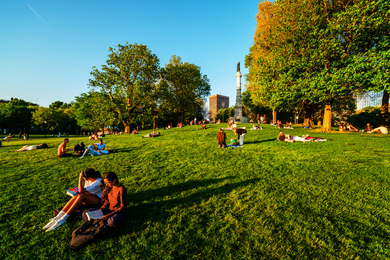
An extensive study of U.S. cities identifies walkable neighborhoods, urban greenery, and access to amenities as key contributors to residents’ health.

In Ghana, semi-communal “compound houses” affect how much people vote and participate in political activity, new research shows.
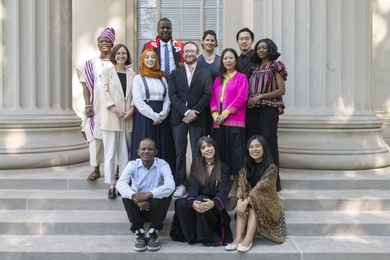
As the international program approaches its 60th year, leaders are reshaping its curriculum to address emerging technologies and the policies shaping their use in urban planning.
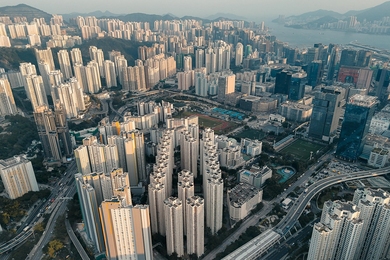
The initiative plans to engage industry leaders and MIT alumni with hubs in Tokyo, Dubai, and Hong Kong.
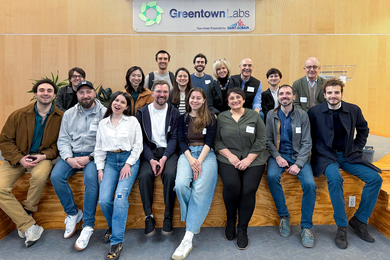
Students in a Department of Urban Studies and Planning course work with leaders from Vinnytsia, Ukraine, exploring innovation ecosystems, infrastructure, and workforce development amid constraints of war.
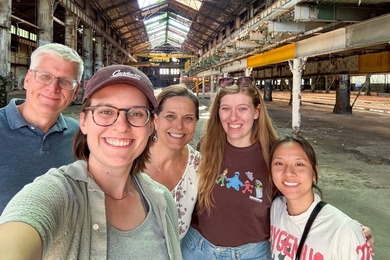
“You can’t teach planning today without grappling with how policy actually unfolds within communities,” says Professor Phillip Thompson.
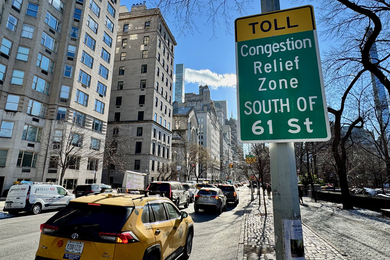
A new study pieces together existing data sources in order to develop a detailed, dynamic picture of auto emissions.

Kate Brown’s book, “Tiny Gardens Everywhere,” examines the hidden history of urban farming, its extensive use, and the politics of growing food.
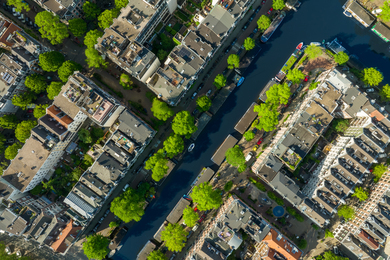
An international study reveals disparities in urban shade levels, exacerbating the “heat island” effect in big cities.
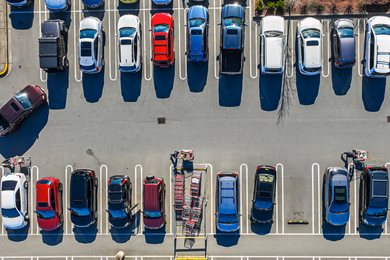
By minimizing the need to drive around looking for a parking spot, this technique can save drivers up to 35 minutes — and give them a realistic estimate of total travel time.
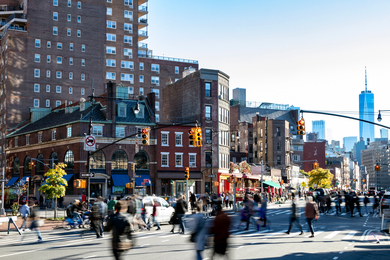
The first complete charting of foot traffic in any US city can be used for infrastructure decisions and safety improvements.