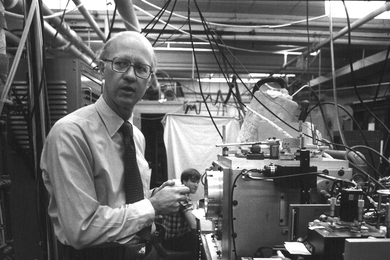
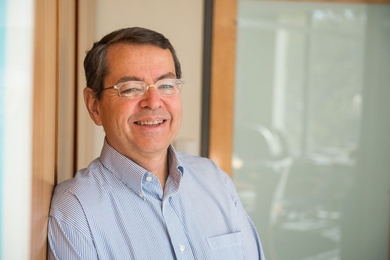
Stephen Buchwald receives BBVA Foundation Frontiers of Knowledge Award in Basic Sciences
BBVA Foundation honors chemistry professor for his development of catalytic routes to construct carbon-nitrogen and carbon-carbon bonds.
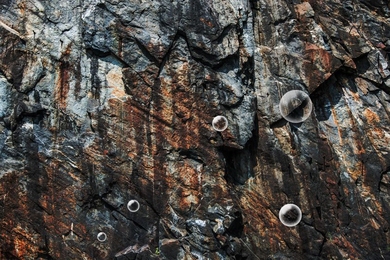
Sequestration on shaky ground
Study finds a natural impediment to the long-term sequestration of carbon dioxide.
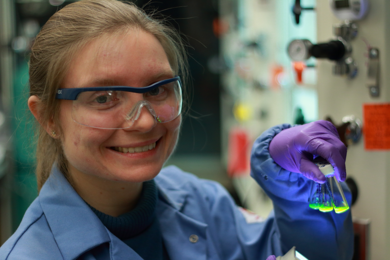
Clocking energy-transfer rates in quantum dots
MIT chemistry graduate student Jolene Mork examines rates of excitonic-energy transfer.
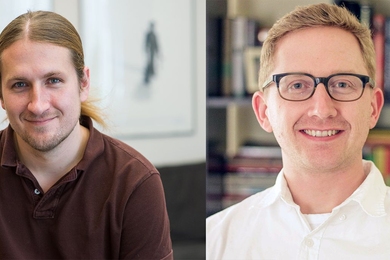
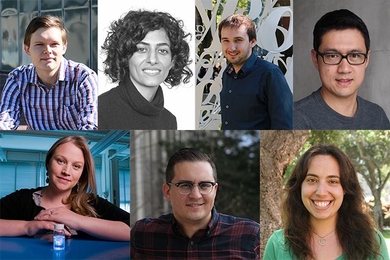
Johnson and Van Humbeck awarded CD Chairs
Chemistry faculty will hold Firmenich Career Development Professorships for three years.
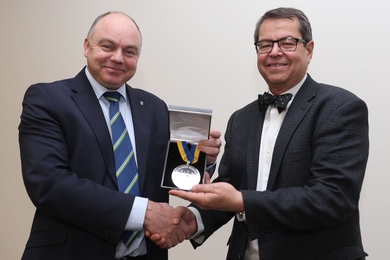
Buchwald honored with Ulysses Medal
Chemistry professor Stephen L. Buchwald recognized by University College Dublin for his outstanding global contribution to the field of chemistry.
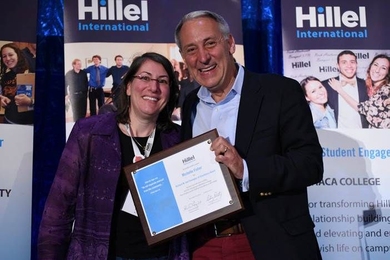
MIT Hillel director honored by Hillel International
Award to Rabbi Michelle Fisher culminates years of hard work by MIT Hillel to put its program “on the map.”
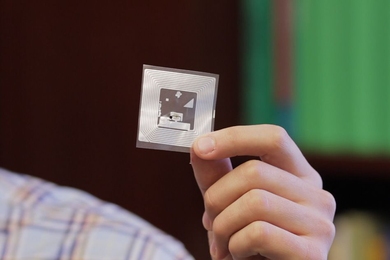
Detecting gases wirelessly and cheaply
New sensor can transmit information on hazardous chemicals or food spoilage to a smartphone.
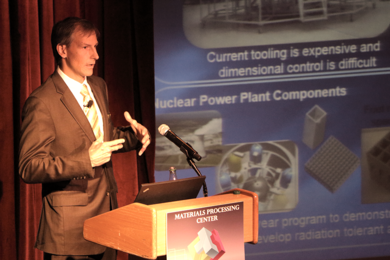
A renaissance in metals
Materials Day Symposium highlights breakthroughs in simulation methods, manufacturing techniques, and improved alloys.
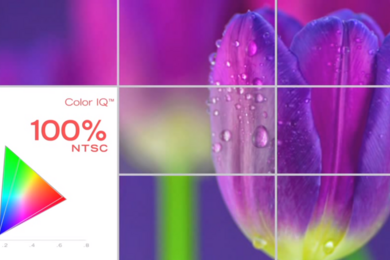
Running the color gamut
MIT spinout’s quantum-dot technology makes LCD TVs more colorful, energy-efficient.
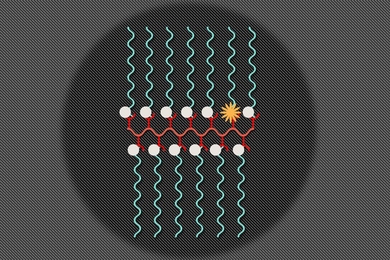
Two sensors in one
Nanoparticles that enable both MRI and fluorescent imaging could monitor cancer, other diseases.
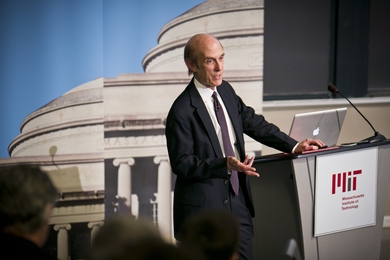
Stephen Lippard named Franklin Institute Laureate
Award recognizes pioneering research on metal atoms in biology and medicine.
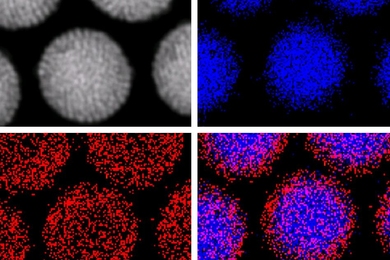
Nanoparticles get a magnetic handle
New method produces particles that can glow with color-coded light and be manipulated with magnets.