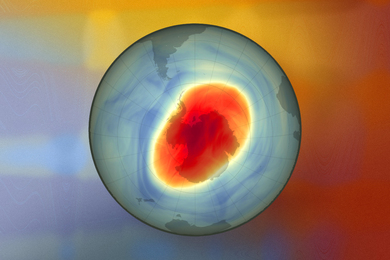
Study: Smoke particles from wildfires can erode the ozone layer
MIT chemists show the Australian wildfires widened the ozone hole by 10 percent in 2020.
MIT chemists show the Australian wildfires widened the ozone hole by 10 percent in 2020.
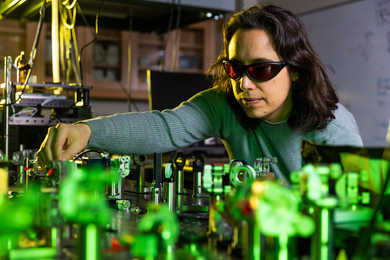
Using ultrafast spectroscopy, the chemistry professor studies the energy transfer that occurs at femtosecond timescales inside plant leaves.
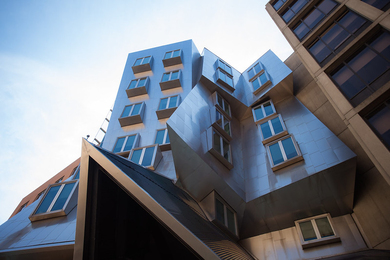
Seven postdocs and research scientists honored for contributions to the Institute.
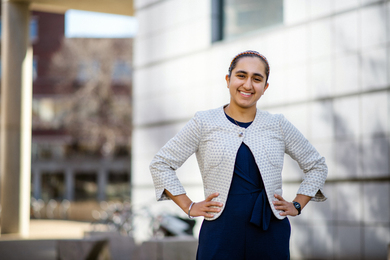
“I feel a great connection to my community, and I always want to find a way to give back,” says the Rhodes Scholar and Air Force ROTC wing commander.
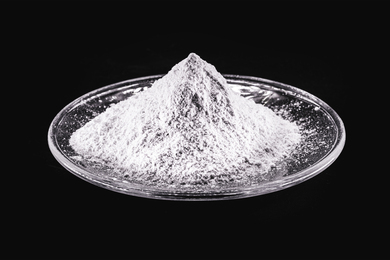
MIT chemists found a way to cut the carbon footprint of producing white phosphorus, an ingredient in many consumer products.
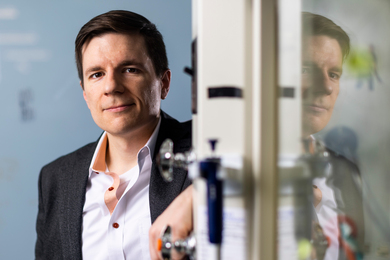
Associate Professor Robert Macfarlane is uncovering design principles that allow researchers to fine-tune materials at many size scales.
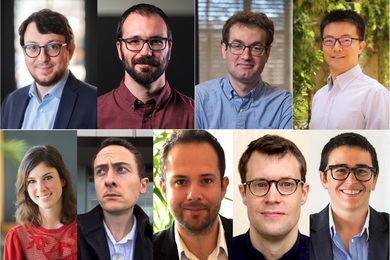
Annual award honors early-career researchers for creativity, innovation, and research accomplishments.
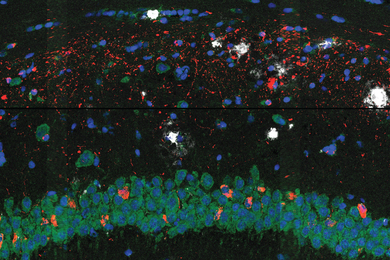
Study reveals key cell structures and gene expression changes near amyloid plaques and tau tangles in mouse brain tissue.
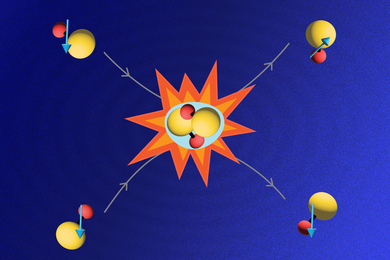
The findings could provide a new way to control chemical reactions.
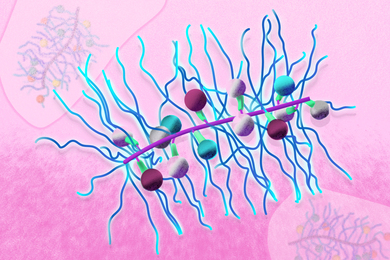
Using bottlebrush-shaped particles, researchers can identify and deliver synergistic combinations of cancer drugs.

Beloved professor and “titan of chemical biology” spent 15 years on the MIT faculty, leading the Department of Chemistry from 1982 to 1987.
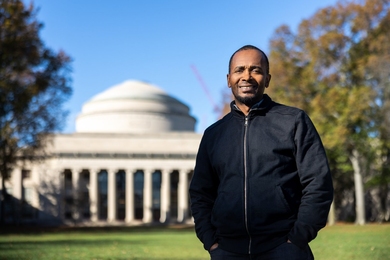
MLK Visiting Professor tries to “maximize connection time” while studying protein evolution.

Across the Institute, MIT’s communities took part in light-hearted traditions new and old.
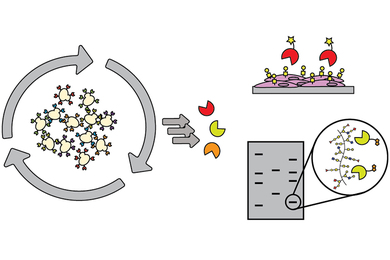
Groundbreaking research can help alleviate the challenges affiliated with studying carbohydrates.
A new optogenetics-based tool allows researchers to control how neurons respond to electrical input.